Sapindus: The Versatile Soapberry Trees
The Sapindus genus, commonly known as soapberry trees, comprises deciduous species famous for their natural cleansing properties and significant ecological roles. These trees produce fruits rich in saponins, natural compounds that create a soapy lather when agitated in water. Historically, various cultures have utilized Sapindus fruits as a sustainable source of natural soap, highlighting their practical and environmental importance.
Soap Nuts and Their Uses
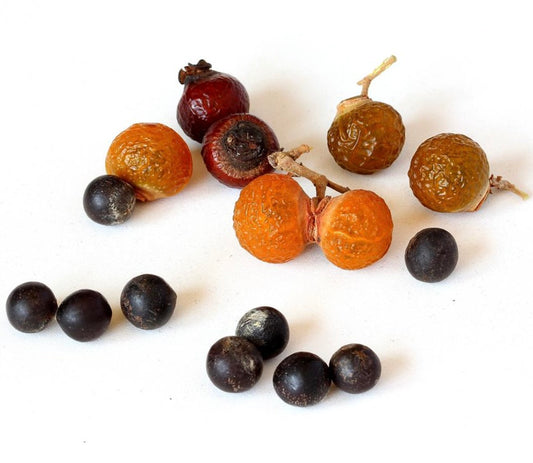
The fruit of Sapindus mukorossi, often referred to as soap nuts, contains high concentrations of saponins. These compounds serve as natural surfactants, enabling soap nuts to act as eco-friendly alternatives to synthetic detergents and cleaning agents. Soap nuts are biodegradable and non-toxic, making them suitable for sensitive skin and reducing chemical pollution in aquatic ecosystems. In addition to cleaning, traditional medicine employs soap nuts for their mild antimicrobial and anti-inflammatory effects.
Species of Sapindus
The genus includes several notable species, such as Sapindus saponaria, known as the wingleaf soapberry, and Sapindus mukorossi, both valued for their high saponin content. These species inhabit diverse regions, from subtropical to temperate zones, demonstrating adaptability to various environmental conditions. For example, Sapindus saponaria thrives in the Americas, while Sapindus mukorossi is native to parts of Asia. Their fruits and seeds have been used not only for cleaning but also as components in traditional remedies and natural insect repellents.
Ecological and Practical Benefits
Soapberry trees, including the western soapberry, play important ecological roles. They often grow in disturbed or marginal soils, contributing to reforestation and erosion control by stabilizing soil with their root systems. Their adaptability allows them to thrive in a range of climates, from dry to humid environments. Furthermore, these trees provide habitat and food for various wildlife species, supporting local biodiversity. Their ability to fix nutrients and improve soil quality benefits agroforestry systems, enhancing sustainable land use.
Caring for Sapindus Trees
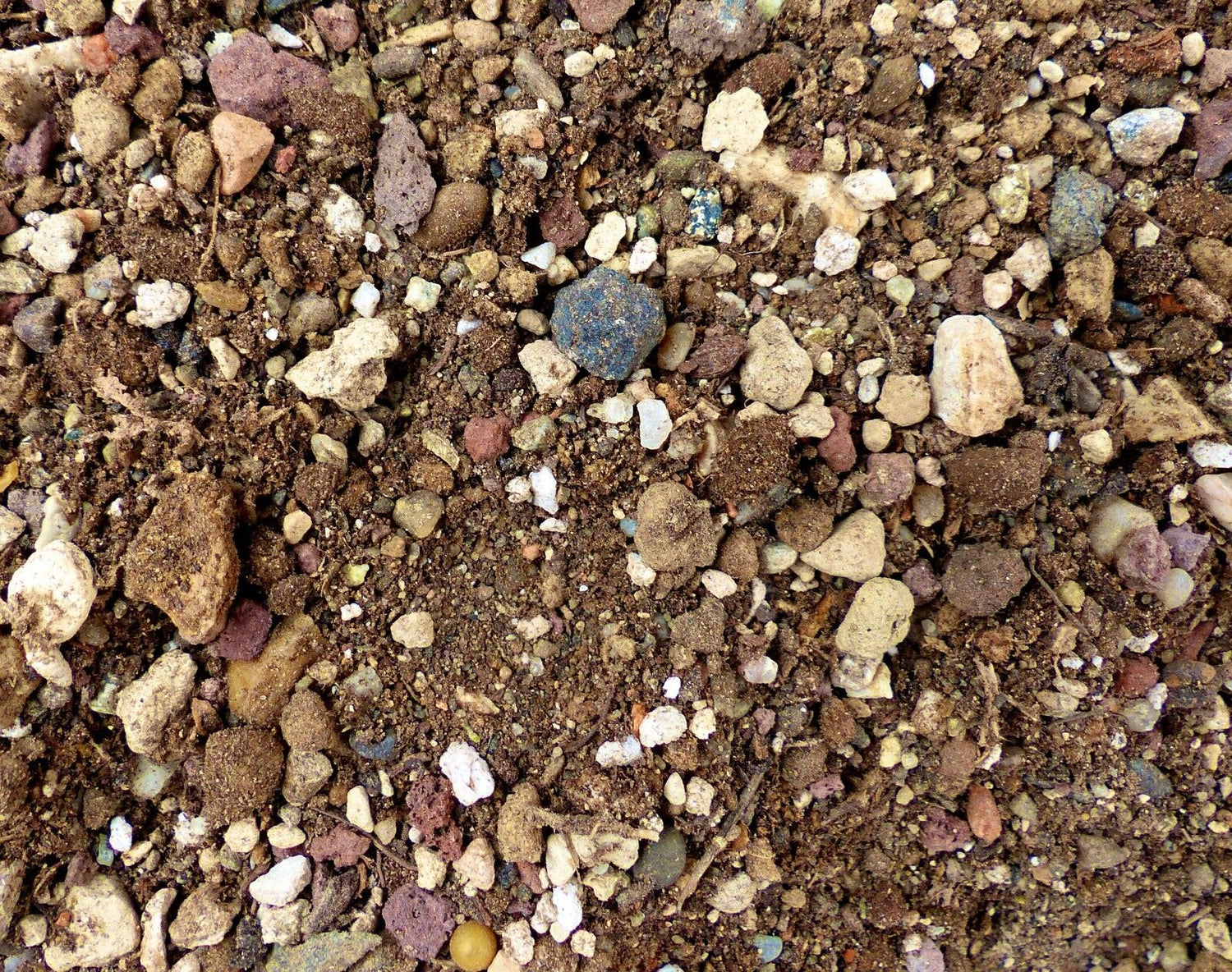
Sapindus trees prefer well-drained soils and full sunlight, which promote healthy growth and abundant fruit production. They require minimal maintenance, tolerating drought and varying soil types, which makes them suitable for sustainable gardening and agroforestry projects. Proper planting and occasional pruning optimize their shape and fruit yield. The harvested fruits can be dried and stored for prolonged use as natural cleaning agents.
Overall, the Sapindus genus offers a fascinating combination of botanical, ecological, and practical values. Their natural soap-producing fruits, ecological adaptability, and role in traditional practices make them an important genus in both natural and managed environments.
Key characteristics and benefits of Sapindus include:
- Production of saponin-rich fruits used as natural detergents
- Adaptation to diverse habitats ranging from subtropical to temperate regions
- Contribution to soil stabilization and reforestation efforts
- Support for local wildlife and biodiversity
- Low maintenance requirements suitable for sustainable agriculture