Collection: Pseudolarix
Pseudolarix: The Unique Deciduous Conifer Genus
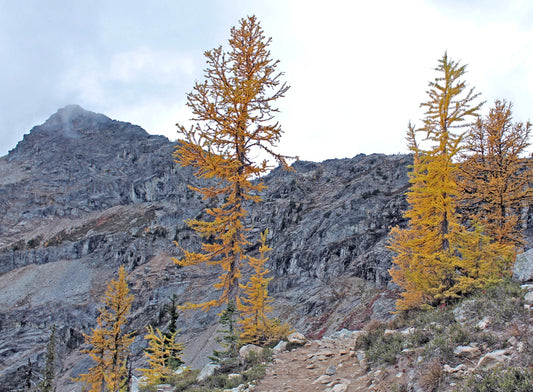
The Pseudolarix genus, a member of the Pinaceae family, comprises deciduous conifers notable for their striking golden autumn foliage and soft, needle-like leaves. The most recognized species, Pseudolarix amabilis, commonly known as the golden larch, is valued for its ornamental appeal and adaptability in various horticultural settings, including landscape design and bonsai cultivation. These trees exhibit a distinctive seasonal cycle uncommon among conifers, shedding their needles each autumn in a vibrant display of color.
What is Pseudolarix?
Pseudolarix
How to Grow and Care for Pseudolarix
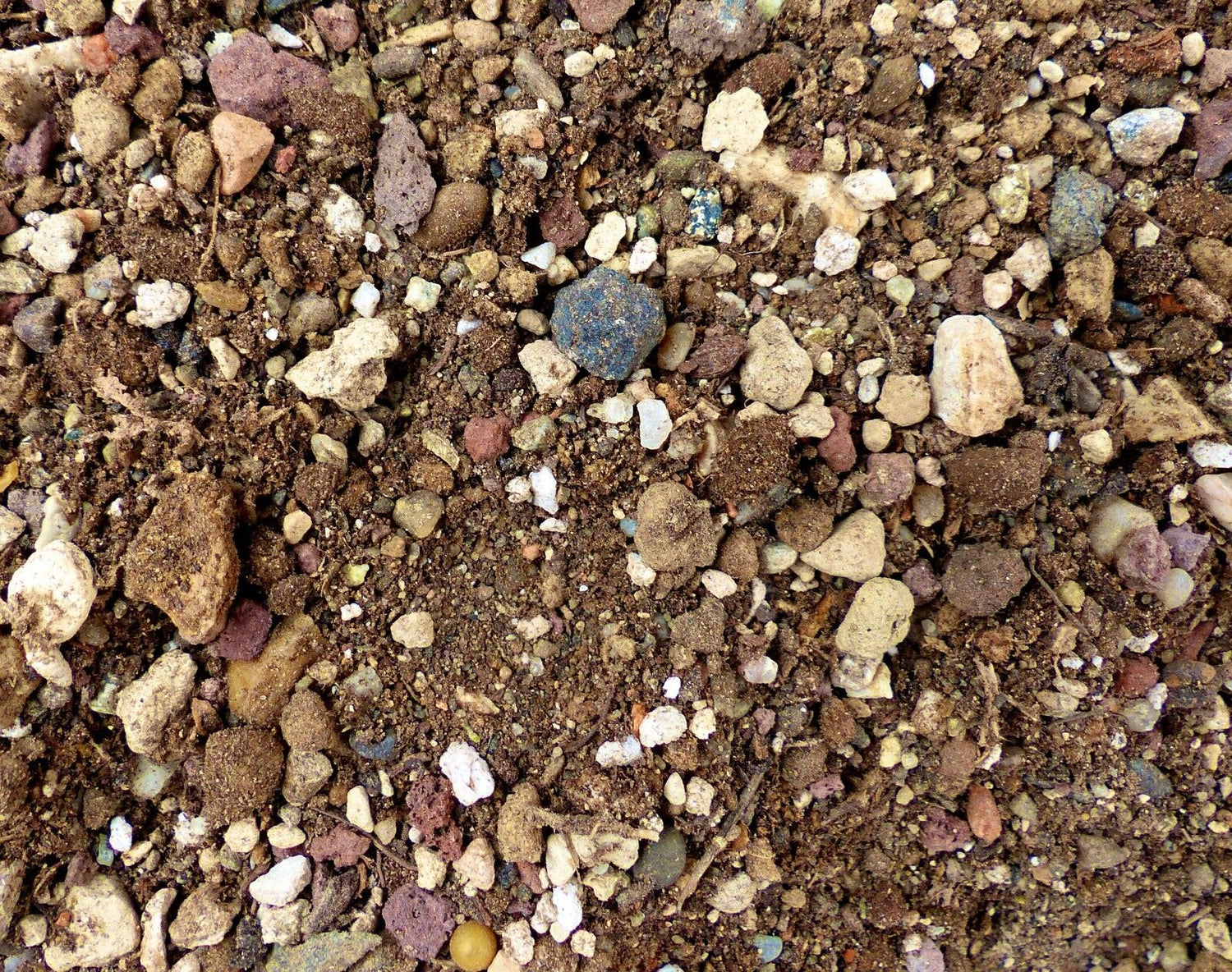
Successful cultivation of Pseudolarix requires soil that drains well and has an acidic pH, which supports healthy root development. These trees demand full sun exposure to maintain their vigorous growth and vivid autumn coloration. Unlike many conifers, Pseudolarix shed their needles annually, a strategy that helps reduce water loss during winter. Moderate watering schedules suit their needs best, avoiding both drought stress and waterlogging. Additionally, seasonal pruning promotes a balanced shape and removes any damaged or diseased branches, enhancing overall tree health.
Ul>
- Plant in locations with at least six hours of direct sunlight daily.
- Ensure soil pH ranges between 5.5 and 6.5 for optimal nutrient uptake.
- Water deeply but infrequently to encourage deep root growth.
- Apply mulch around the base to conserve moisture and regulate soil temperature.
- Prune in late winter or early spring before new growth begins.
Pseudolarix in Landscaping and Bonsai
The golden larch serves as an elegant specimen tree in gardens and parks due to its graceful form and seasonal color transformation. Its adaptability to different soil types and resistance to urban pollution enhance its landscape value. In bonsai art, Pseudolarix is prized for its delicate foliage and distinctive growth habit, which allows for intricate styling. Cultivators must carefully train these bonsai to preserve their natural appearance while emphasizing their unique needle texture and autumn coloration.
Common Issues and Maintenance Tips
Although Pseudolarix generally resists pests, it remains vulnerable to root rot when grown in poorly drained soils. To prevent this, ensure proper soil drainage and avoid overwatering. Fertilizing in early spring supports new growth, while providing winter protection in colder regions prevents frost damage. Regular monitoring for signs of stress or disease helps maintain a healthy tree, and prompt intervention can mitigate potential problems.


 Sold out