The Prunus genus comprises a diverse group of trees and shrubs widely recognized for their ornamental and economic value. This genus includes well-known species such as flowering cherries, plums, almonds, and apricots, which are distributed across temperate regions of the Northern Hemisphere. Prunus species exhibit varied morphological traits, including simple, serrated leaves and showy flowers that often attract pollinators like bees and butterflies, playing an essential role in local ecosystems.
Flowering Cherry Trees
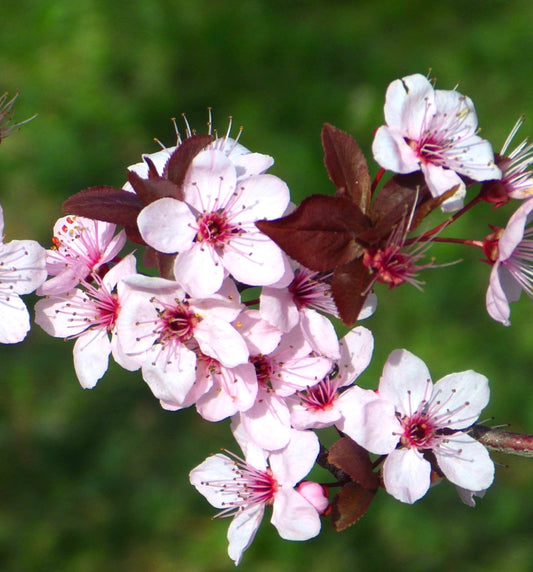
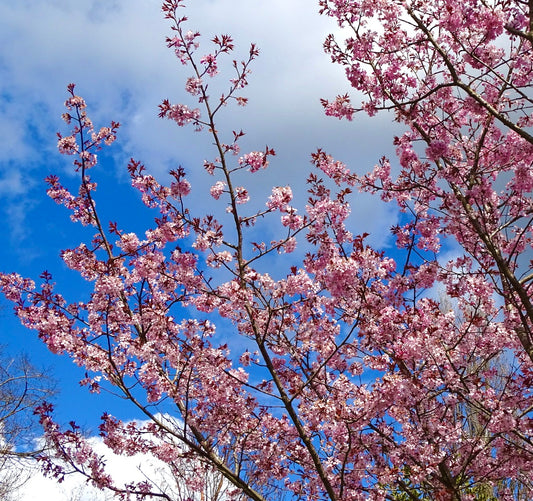
Among the most celebrated members of the genus are the flowering cherry trees, prized for their spectacular spring blossoms. Species such as the Japanese cherry tree (Prunus serrulata) and Prunus mume showcase delicate pink or white flowers that bloom profusely before leaf emergence. These trees adapt well to ornamental settings, often planted in parks and gardens to enhance aesthetic appeal. They also provide early nectar sources for pollinators, contributing to ecological balance.
Fruit-Bearing Prunus Species
The genus also includes several fruit-bearing species valued for their edible fruits and ecological resilience. For example, Prunus virginiana, commonly known as chokecherry, thrives in a variety of habitats across North America, offering fruit that supports wildlife such as birds and mammals. Similarly, Prunus americana or American plum produces nutritious fruits and serves as a pioneer species in disturbed areas, aiding in soil stabilization and habitat restoration.
These species exhibit adaptations such as drought tolerance and resistance to pests, which allow them to survive in diverse environments. Their fruits also serve as food sources for many animals, establishing Prunus species as integral components of food webs.
Prunus laurocerasus and Prunus cerasifera
Prunus laurocerasus, known as cherry laurel, is an evergreen shrub native to regions of southeastern Europe and Asia Minor. It is widely used in hedging due to its dense foliage and year-round greenery. In contrast, Prunus cerasifera, or cherry plum, is a deciduous tree that produces colorful foliage in autumn and small edible fruits. Both species adapt well to urban environments and contribute to biodiversity by providing shelter and food for various insects and birds.
Caring for Prunus Trees
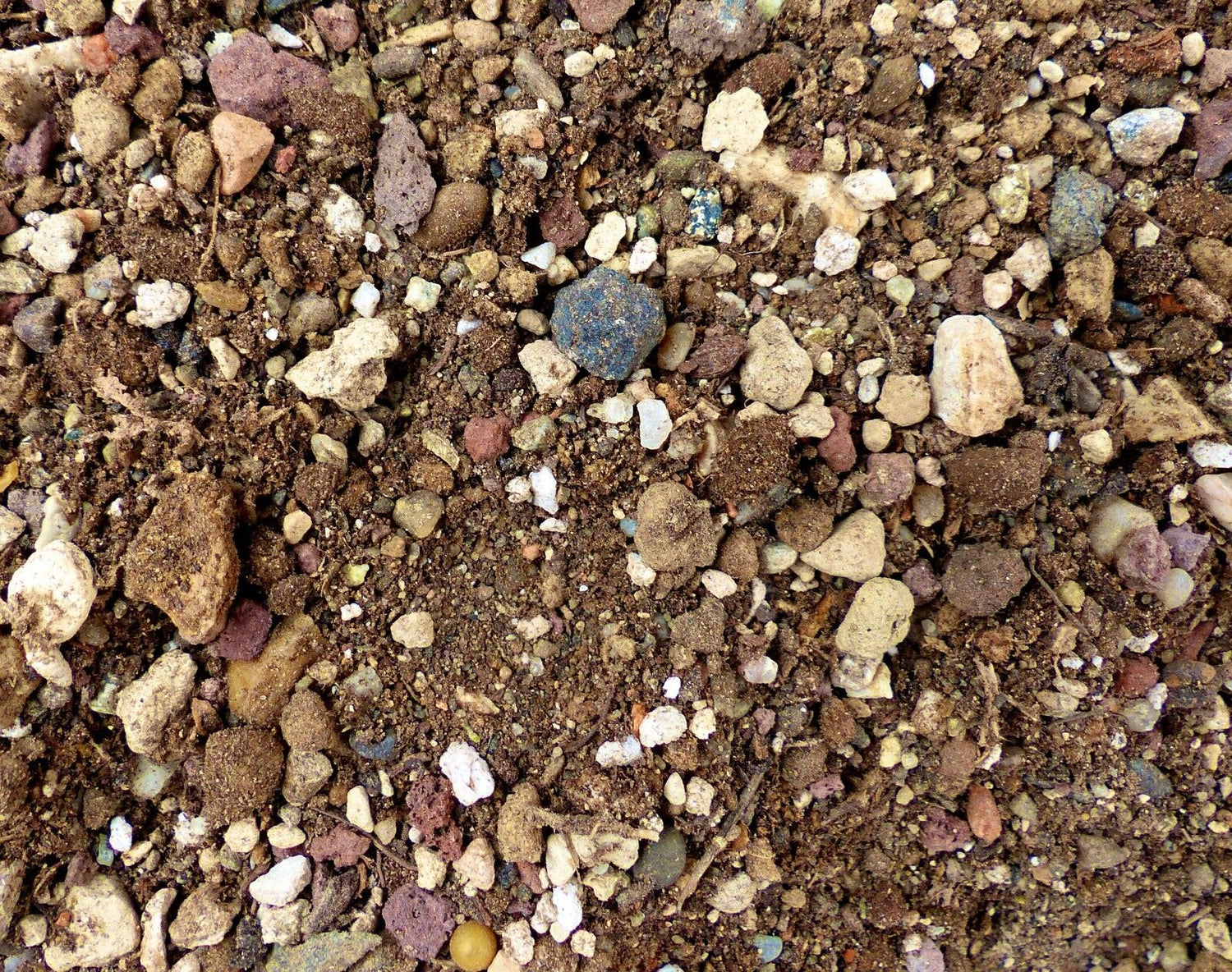
Prunus trees generally prefer well-draining soils and full sunlight to develop their characteristic flowers and fruits. Species like Prunus spinosa (sloe) and Prunus subhirtella demonstrate adaptability to different soil types and climates, making them suitable for a range of horticultural uses. Proper pruning and monitoring for common diseases such as fungal infections enhance their health and longevity.
In summary, the Prunus genus represents a vital group of plants with significant ecological roles, from supporting pollinators to providing food for wildlife. Their varied forms and adaptations make them a fascinating subject for botanical study and practical cultivation.
Key characteristics of Prunus species include:
- Varied leaf shapes and flower colors adapted to attract pollinators
- Fruit types ranging from fleshy drupes to small plums and cherries
- Ecological roles as pioneer species and wildlife food sources
- Wide distribution across temperate regions of the Northern Hemisphere
- Adaptations to diverse habitats, including woodlands, grasslands, and urban areas