The Ultimate Guide to Plumeria – The Fragrant Tropical Flower
What is Plumeria?
Plumeria, also known as frangipani, is a tropical flowering plant admired for its fragrance and vibrant plumeria flowers. Often associated with exotic landscapes, the plumeria tree thrives in warm climates and is popular in gardens and plumeria nurseries worldwide.
Native to tropical regions of the Americas, this flowering tree has found its way into landscapes around the world thanks to its beauty, adaptability, and symbolic value. The plant is deciduous, shedding its large green leaves in cooler seasons, often entering a brief dormancy. When in bloom, its elegant five-petaled flowers form dense clusters at the branch tips, producing a striking contrast against the foliage.
Botanically, it belongs to the dogbane family and shares certain characteristics with oleander and nerium, including sap that can be mildly irritating to the skin. Despite this, its ornamental appeal remains unmatched. Its thick, succulent-like branches store water, helping it survive in drought-prone areas, and its compact branching habit makes it suitable for both open-ground planting and large containers.
How to Grow and Care for Plumeria
Growing plumeria requires well-drained soil and full sunlight exposure. Proper plumeria watering, regular plumeria pruning, and the right plumeria fertilizer ensure a healthy and beautiful plant. It is also possible to grow plumeria indoors with the right conditions.
Plants perform best in a location that offers abundant light and protection from prolonged cold. They are not frost-tolerant and should be sheltered or brought indoors if temperatures fall below 10°C (50°F). In warm regions, they can remain outdoors year-round, rewarding growers with consistent flowering from late spring to early autumn.
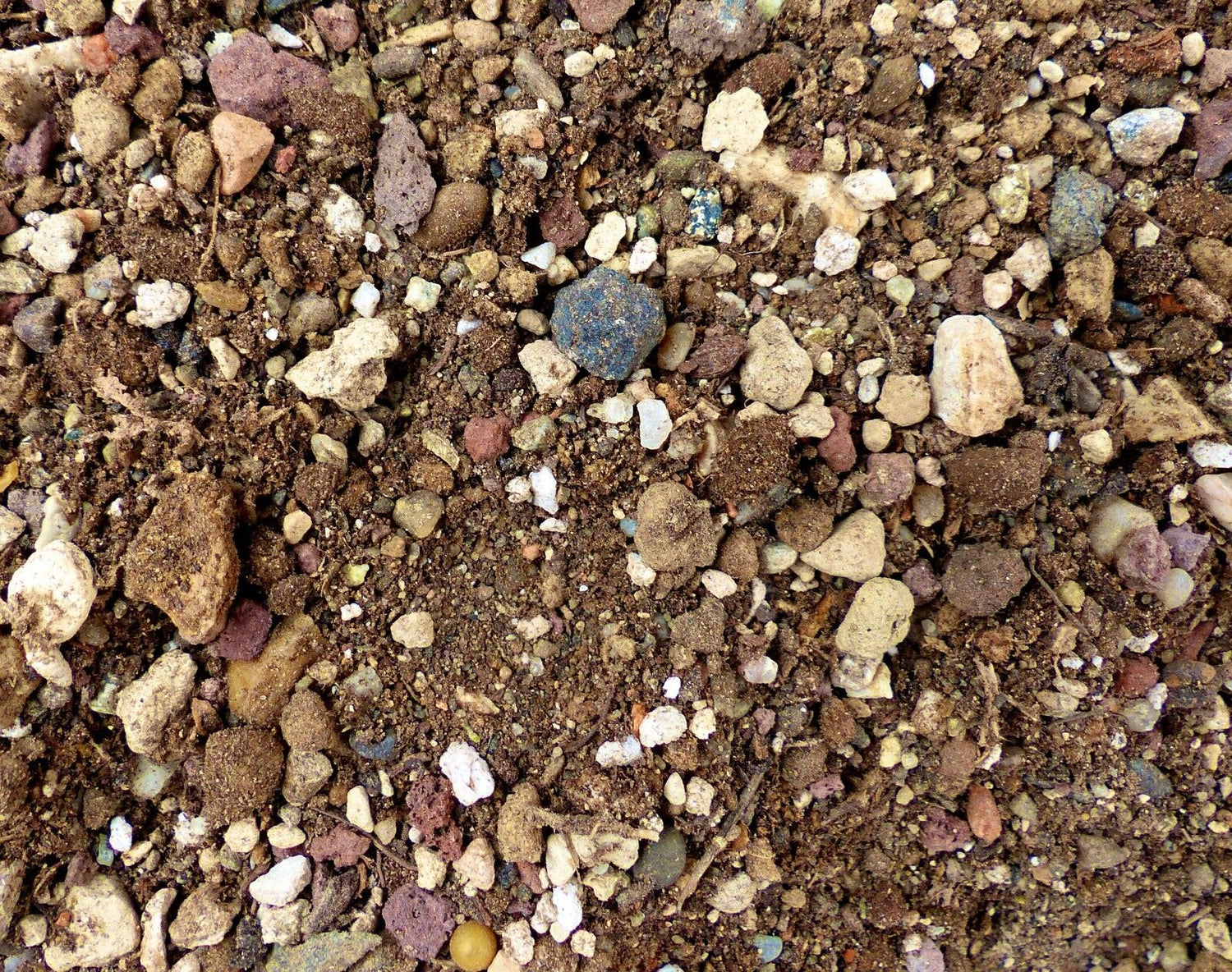
Watering should be infrequent but thorough. These plants are prone to rot if their roots sit in soggy conditions, so always ensure excellent drainage. During dormancy, reduce watering significantly. A sandy or cactus-based substrate is ideal, and if grown in containers, choose pots with generous drainage holes.
Fertilizing regularly during the active season encourages more buds and lush foliage. Choose a bloom-boosting formula that’s rich in phosphorus. Pruning is typically done in late winter or early spring and helps control the shape, encourage branching, and remove any deadwood or crossing branches.
With proper care, even container-grown specimens can bloom reliably and remain manageable in size. Their low water requirements, combined with their visual drama, make them excellent choices for drought-tolerant or tropical-style gardens.
Plumeria Varieties and Propagation
There are various plumeria varieties, each with unique blooming patterns and leaf structures. Plumeria propagation can be done using plumeria seeds or plumeria cuttings, making it easy to expand your collection of these stunning tropical plants.
Different species and cultivars present a wide range of traits. Some produce deeply veined or semi-glossy leaves, while others offer upright or more spreading growth habits. The flowers themselves vary not only in color but also in size and petal shape—some with broad overlapping petals, others with narrower, pinwheel-like forms.
Propagation by seed often results in unpredictable flower colors and growth patterns, making it a favorite method for hybridizers and breeders. It’s a slower process, with several years needed before the first blooms appear. On the other hand, propagation by cuttings ensures genetic consistency and faster flowering, typically within one to two growing seasons.
The rooting process is straightforward: cuttings are taken from mature wood, left to callous for several days, and then placed in dry, warm soil. Success improves with the use of rooting hormone and consistent bottom heat. Once established, new plants grow vigorously under warm conditions and quickly develop a woody trunk.
Beyond traditional propagation, grafting is also used to combine multiple flower types on a single rootstock, allowing growers to showcase different colors on the same plant—a prized technique among specialists and collectors.
Where to Buy Plumeria and Its Uses
Many gardeners buy plumeria for their aesthetic appeal and tropical ambiance. These flowers are often used in leis, decorations, and perfumes due to their distinct plumeria fragrance.
These ornamental plants are available in a wide range of sizes, from rooted cuttings to mature specimens. Nurseries and specialty growers often carry rare cultivars with unusual colors or intense fragrances. Whether you’re sourcing seeds for experimentation or grafted trees for instant blooms, the diversity on the market is rich and expanding.
Aside from their landscaping role, these flowers hold strong cultural and symbolic significance. In Hawaiian tradition, they are worn behind the ear to signal relationship status. In Bali, they are offered in daily temple rituals. Their oil is a valued ingredient in perfumes and bath products, thanks to its soft, warm, sweet aroma with hints of spice and citrus.
Artists and designers often incorporate the flower’s elegant symmetry into textiles, ceramics, and jewelry, especially in tropical or spiritual motifs. In floral design, these blooms are often used fresh due to their thick petals and subtle gradient colors, which photograph beautifully and last well once picked.
Even when not in bloom, the sculptural branches and bold leaves make the plant an attractive feature in courtyards, patios, or sunny balconies—bringing an unmistakable sense of tranquility and tropical grace to any setting.