Passiflora: Exotic Beauty for Every Garden
Discover the Charm of Passiflora
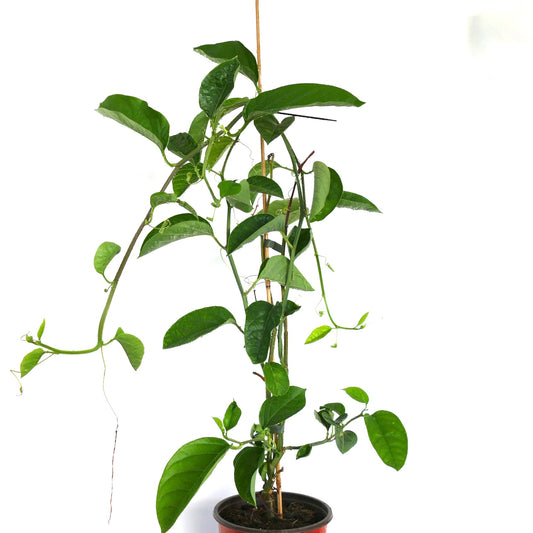
The Passiflora plant, also known as the passion flower, is a tropical beauty admired for its intricate blossoms. Popular species such as Passiflora incarnata, Passiflora caerulea, and Passiflora edulis offer vibrant colors and unique shapes, making them a favorite among gardening enthusiasts. These climbing plants are perfect for adding a dramatic touch to fences, walls, and trellises.
This extraordinary genus of flowering vines combines bold floral architecture with vigorous growth habits, making it highly prized among collectors and landscape designers alike. From rainforests to Mediterranean hillsides, its species thrive in diverse climates, each offering distinct foliage textures, fruit characteristics, and ornamental features. With their vivid corollas and filamented coronas, these blooms command attention, often resembling a starburst or floral compass in midair.
The species most commonly cultivated for gardens are not only beautiful but adaptable—some suited to pots and patios, others trained along stone walls or espaliered on fences. In the right conditions, they can reach impressive heights and bloom repeatedly throughout the warm season. Few other climbing plants offer such an extraordinary balance of vertical structure, pollinator support, and edible fruit potential.
Caring for Your Passiflora
Proper care is key to enjoying the stunning blooms of Passiflora.
Ensure they receive plenty of sunlight and a well-draining soil mixture. Varieties like Passiflora caerulea thrive in temperate climates, while Passiflora edulis, known for its edible fruit, prefers warmer conditions. Regular pruning and fertilization can enhance their growth and flowering.
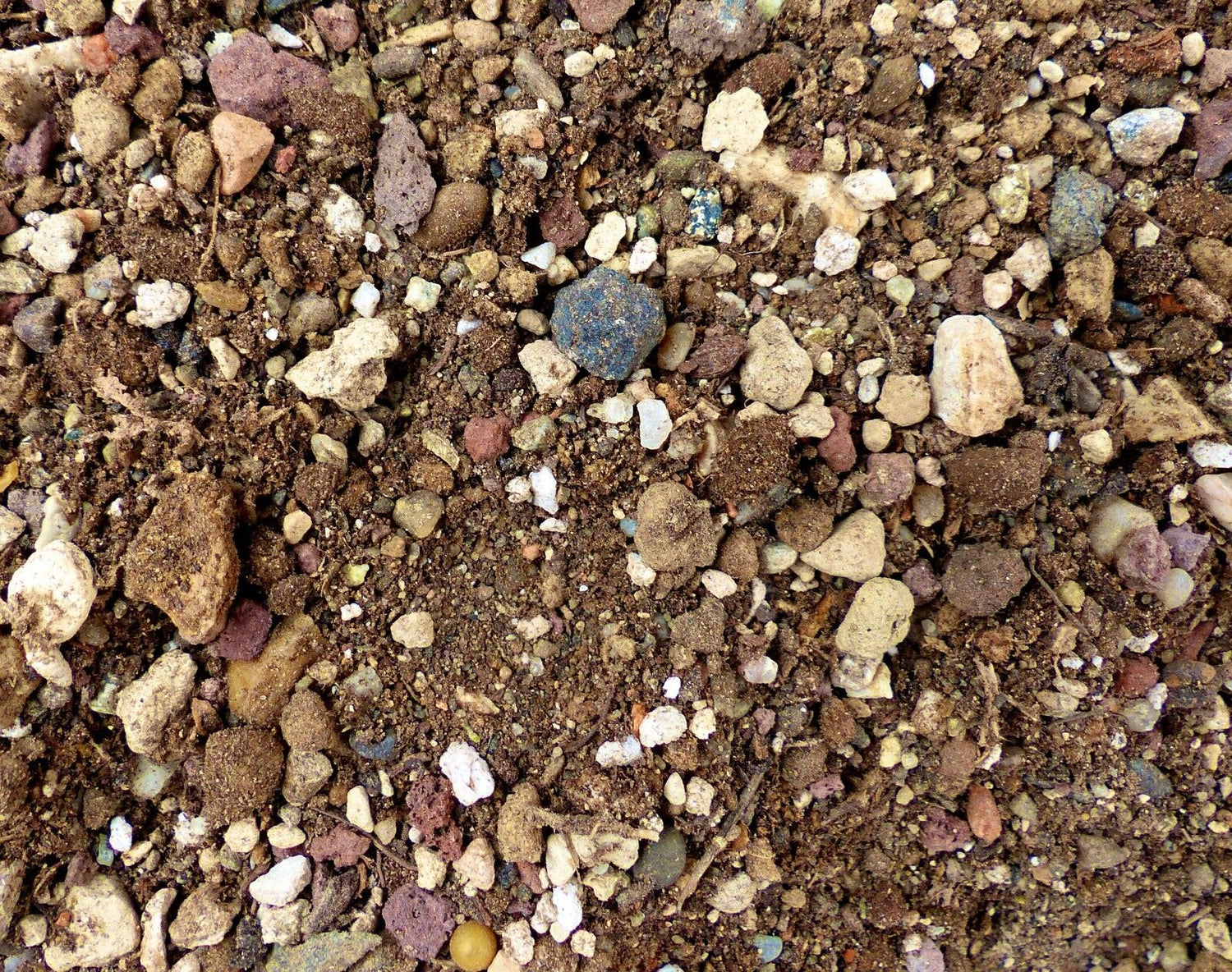
To achieve strong, healthy vines, begin with a deep, rich substrate. They respond well to slightly acidic to neutral soils, amended with compost for improved moisture balance. Drainage is critical—waterlogged roots are the fastest path to decline. These vigorous growers need full sun to partial shade, with afternoon protection in extremely hot climates.
In spring, apply a balanced fertilizer to boost foliage, then switch to a bloom-boosting formulation rich in potassium to stimulate flowering. Prune lightly after flowering to remove tangled or weak stems and redirect energy into flower production. In colder climates, mulch at the base or overwinter indoors. While tropical cultivars like Passiflora edulis prefer steady warmth, hardy types such as Passiflora caerulea can tolerate short frosts once established.
Pollination strategies vary—some species rely on carpenter bees or hummingbirds, while others are self-fertile or require manual pollination to set fruit. For fruit-bearing types, encouraging local pollinators with companion plants like lavender, thyme, or echinacea can dramatically improve yields.
A Blend of Aesthetics and Functionality
Whether you're growing Passiflora incarnata for its medicinal uses or Passiflora edulis for its delicious fruit, this plant is as functional as it is beautiful.
The vibrant flowers attract pollinators like bees and butterflies, while its dense foliage creates natural privacy screens.
Throughout history, the plant has held symbolic, cultural, and practical significance. Used in herbal traditions across the Americas and Europe, Passiflora incarnata remains valued for its calming properties and is a key ingredient in many natural supplements and teas. Its flowers and leaves are gently sedative and often used in sleep aids or stress relief remedies.
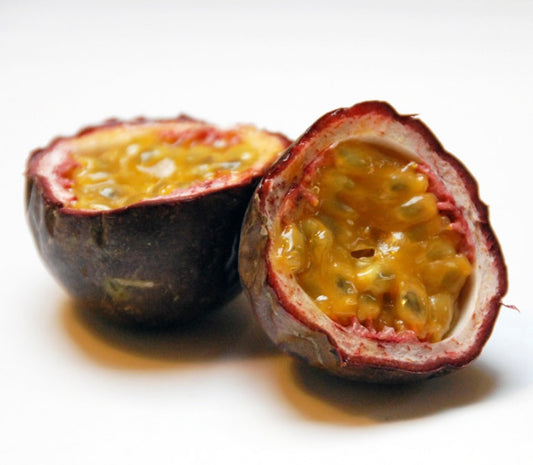
The culinary world also embraces this botanical wonder. The fruit of Passiflora edulis is widely consumed around the globe—fresh, juiced, or used in desserts, glazes, and cocktails. Its tangy sweetness and aromatic depth elevate everything from tarts to tropical salsas. Lesser-known fruits from other species, while sometimes smaller or more tart, are equally treasured in regional cuisines.
As a garden feature, this climbing perennial excels in multifunctional design. Use it to mask unsightly walls, divide outdoor spaces, or weave it through arbours and trellises. The rapid growth creates lush screens in just one season, offering both shade and beauty. Even when not in bloom, the distinctive leaf shapes and tendrils add visual texture.
Where to Buy and How to Start
You can find high-quality Passiflora plants and seeds online.
Explore options like Passiflora caerulea, known for its resilience, or the tropical Passiflora edulis for homegrown passion fruits. Start your journey to a more vibrant garden today.
When shopping for these plants, consider the source carefully—many specialist nurseries offer both seeds and grafted specimens of rare cultivars. Seeds are ideal for patient growers seeking large quantities, while rooted cuttings or nursery plants offer faster results and predictable traits. Look for disease-resistant strains or hybrids bred for higher yields and longer blooming cycles.
Early planting—ideally in spring—gives vines time to establish before the summer bloom. Use a climbing frame or trellis from day one to guide growth. For container gardening, select deep pots with sturdy stakes, and use a slow-release fertilizer combined with biweekly liquid feed during the active season.
If your goal is fruit production, ensure warm conditions, high humidity, and consistent watering during the flowering period. For ornamental growers, experiment with layout—spiral stems around pergolas, trail them down balcony railings, or create cascading curtains over vertical walls.
With minimal effort and proper support, this extraordinary climber can deliver years of flowers, fragrance, and—depending on species—fruit, attracting admiration from both humans and pollinators alike.