Opuntia

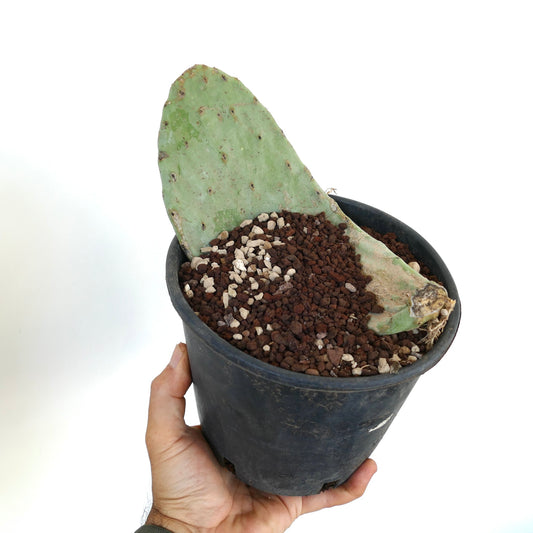
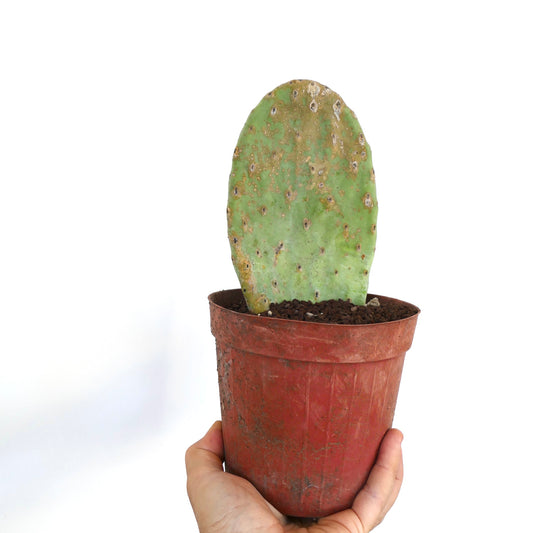
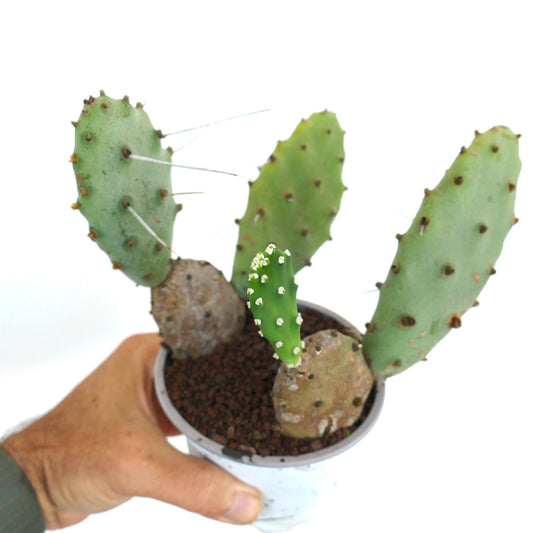
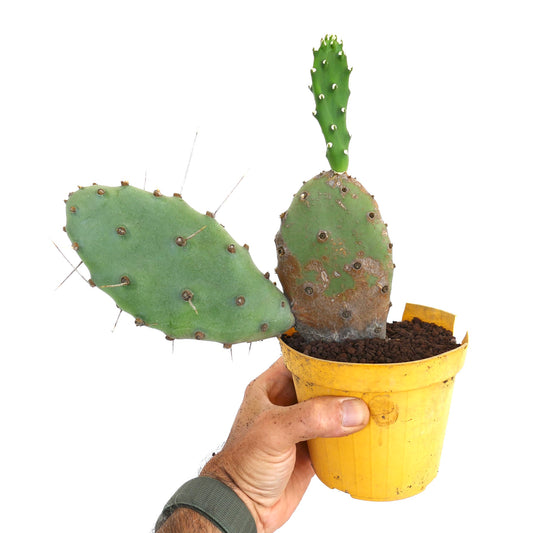
Discover our Opuntia collection, featuring iconic cacti known for their flat, paddle-like pads and vibrant flowers. Commonly referred to as Prickly Pear, Opuntia species are native to the Americas and are widely recognized for their resilience and edible fruits, called tunas. These cacti bloom in spring and summer with flowers in shades of yellow, orange, or pink, followed by colorful fruits that add interest to the landscape. Thriving in full sun, well-draining soil, and minimal watering, Opuntia is perfect for desert gardens, rock gardens, and xeriscaping, adding a bold, sculptural presence.

Collection: Opuntia

Opuntia: The Iconic Prickly Pear Cactus

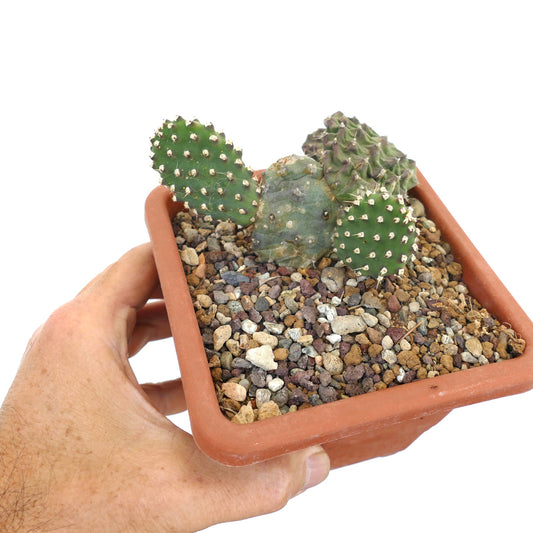
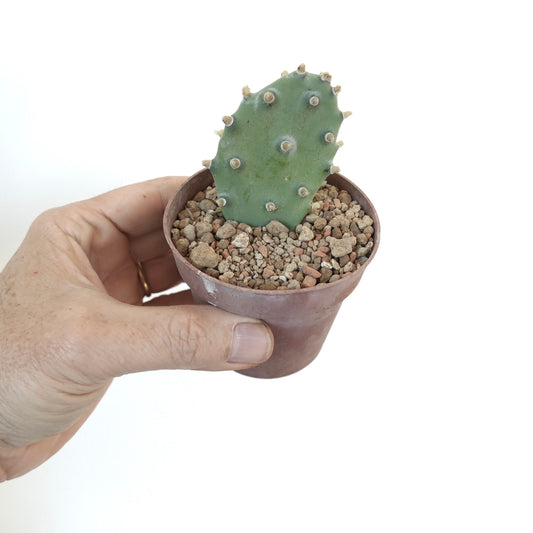
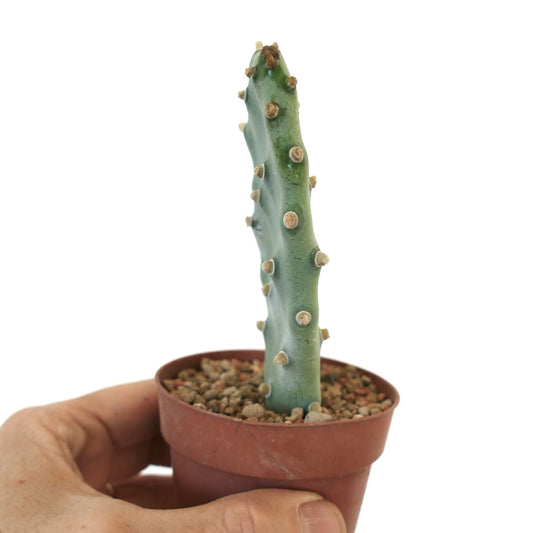
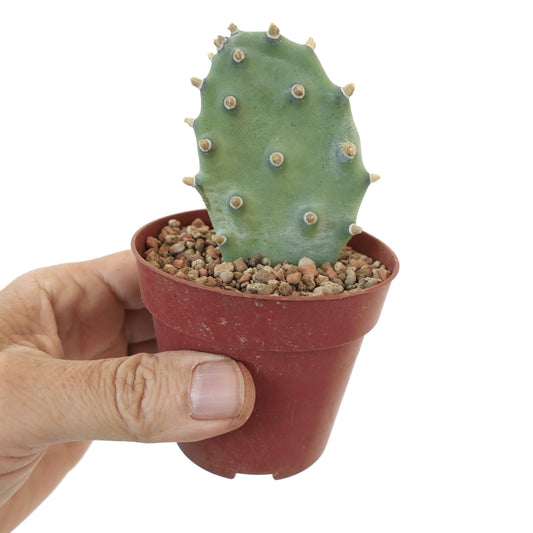
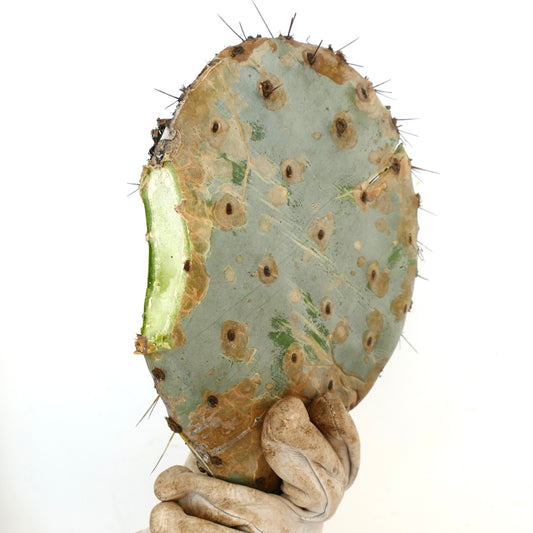
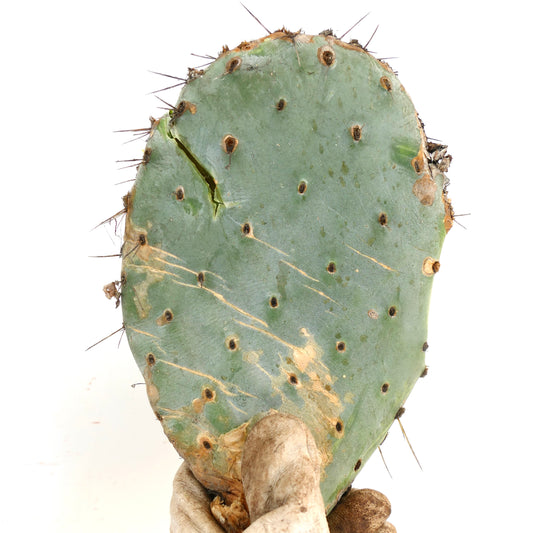
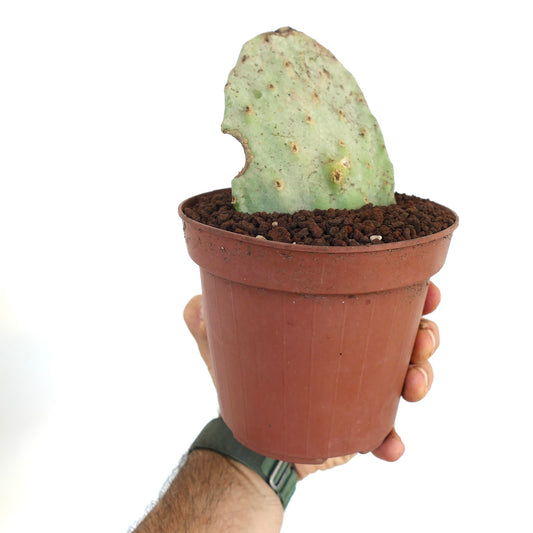
The Opuntia genus, widely recognized as prickly pear cacti, comprises a diverse group of succulent plants native primarily to the Americas. These cacti feature distinctive flat, rounded pads called cladodes, which serve as modified stems adapted for water storage in arid environments. Their vibrant flowers range in colors from yellow to red, attracting various pollinators. Additionally, Opuntia produces edible fruits, often called "tuna," which contribute to both ecological food webs and human diets.

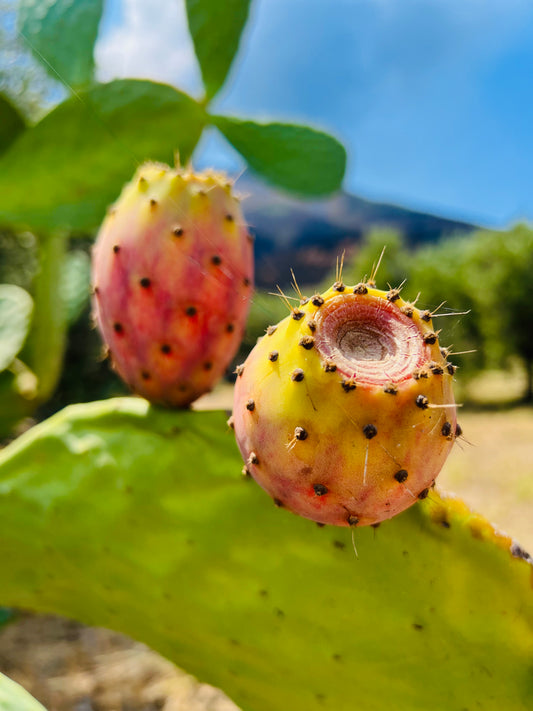
Prickly Pear Cactus and Fruit

The prickly pear cactus is notable not only for its striking morphology but also for its succulent, nutrient-rich cactus fruit. These fruits contain high levels of antioxidants, vitamins such as vitamin C, and dietary fiber. They serve as an important food source for wildlife including birds and insects, while humans have utilized them in traditional cuisines across Mexico, the southwestern United States, and Mediterranean regions. The fruits develop after the cactus flowers are pollinated, highlighting the plant’s ecological interactions.

Opuntia Varieties: From Humifusa to Ficus-Indica

The genus includes numerous species adapted to various climates and habitats. For example, Opuntia humifusa is a cold-tolerant species found in temperate zones of North America, often inhabiting sandy soils and rocky outcrops. In contrast, Opuntia ficus-indica is widely cultivated in warmer regions for its abundant fruit production and larger pads. These species show diverse morphological adaptations, such as spination patterns and pad thickness, which help them survive drought and herbivory. Their ecological roles include soil stabilization and providing shelter for small animals.

Caring for Your Opuntia

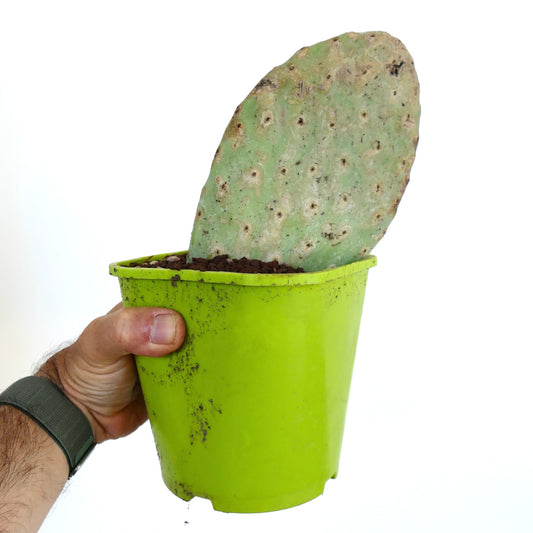
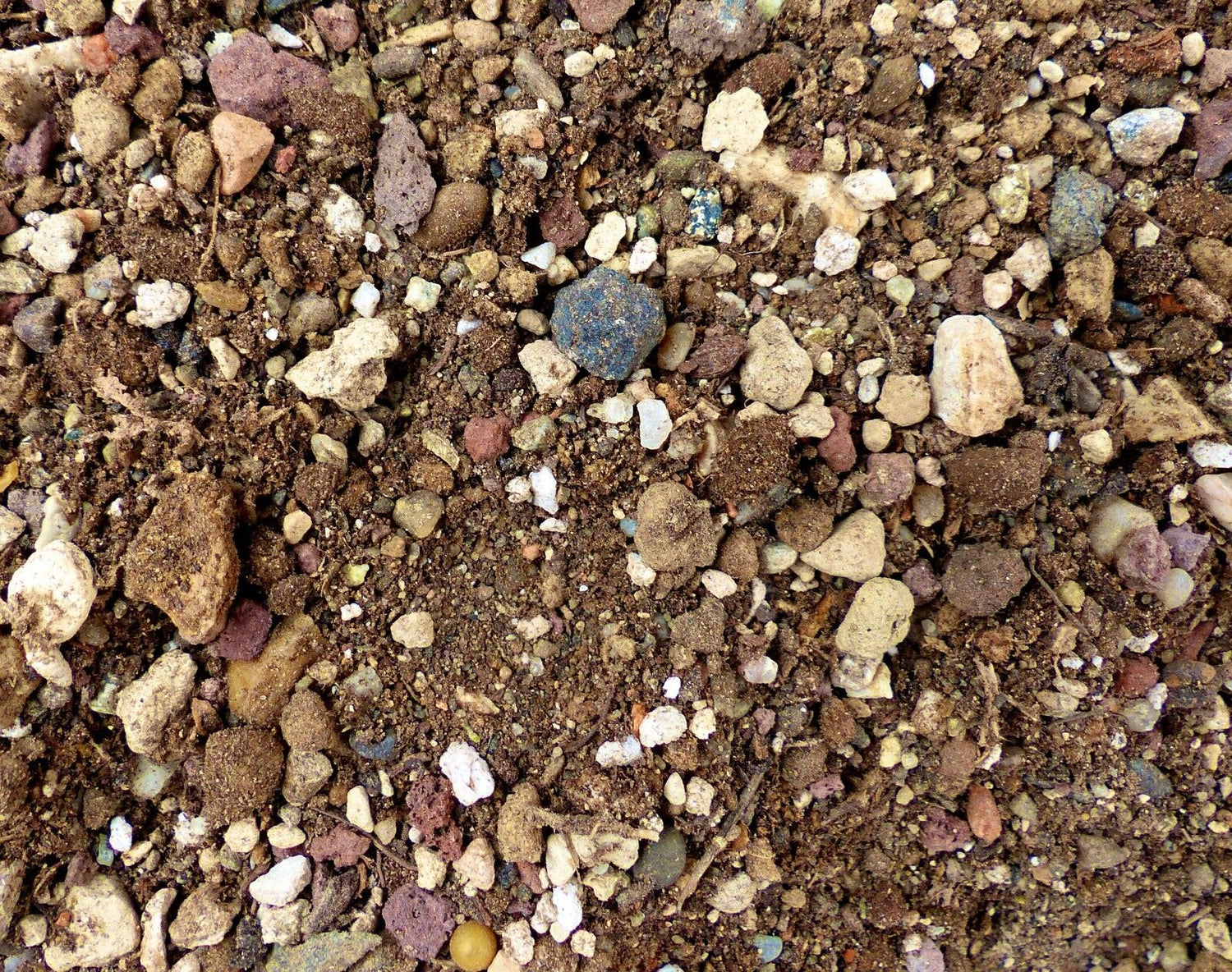
Opuntia cacti require well-draining soils to prevent root rot and benefit from full sunlight exposure to maintain healthy growth. They exhibit drought tolerance by storing water in their pads and reducing transpiration through specialized stomata. Minimal watering is sufficient, especially during dormant periods. Propagation often occurs via pad cuttings, allowing gardeners to easily expand their collections. For instance, Opuntia basilaris propagates readily and displays striking flower colors, making it a popular choice. Understanding their natural habitat conditions aids in replicating suitable environments for optimal growth.

Overall, Opuntia cacti contribute significantly to both natural ecosystems and human uses. Their resilience to harsh environments, combined with their ecological interactions and edible qualities, make them valuable plants in arid and semi-arid landscapes worldwide.

  • Adapted to arid and semi-arid environments with water-storing pads
  • Produce edible fruits rich in antioxidants and vitamins
  • Serve as important food and shelter sources for wildlife
  • Include species with varying cold tolerance and habitat preferences
  • Propagate easily through pad cuttings, aiding cultivation