Mammillaria
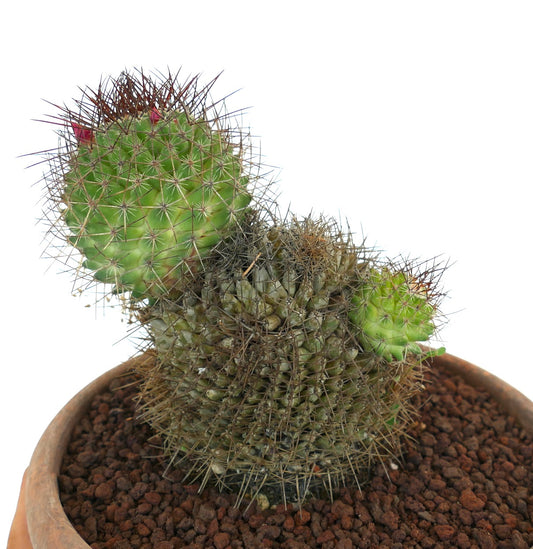
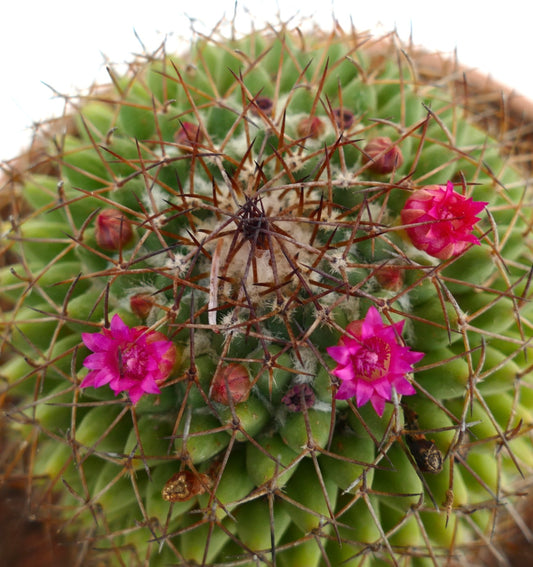
Explore our Mammillaria collection, featuring compact, globe-shaped cacti known for their small, rounded tubercles and delicate, crown-like flowers. Native to Mexico and the southwestern United States, Mammillaria species are popular among collectors for their spiny textures and unique symmetry. These cacti often bloom with vibrant pink, white, or yellow flowers arranged in rings at the top, adding charm and color to any collection. Thriving in bright, indirect light, well-draining soil, and minimal watering, Mammillaria is perfect for rock gardens, containers, and succulent displays.
-
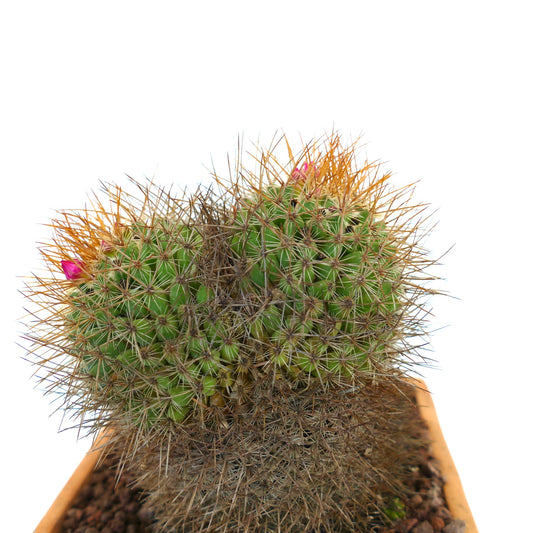
Mammillaria mystax (Veracruz border, Mexico)
Regular price €8,00 EURRegular price€24,00 EURSale price €8,00 EURSold out -
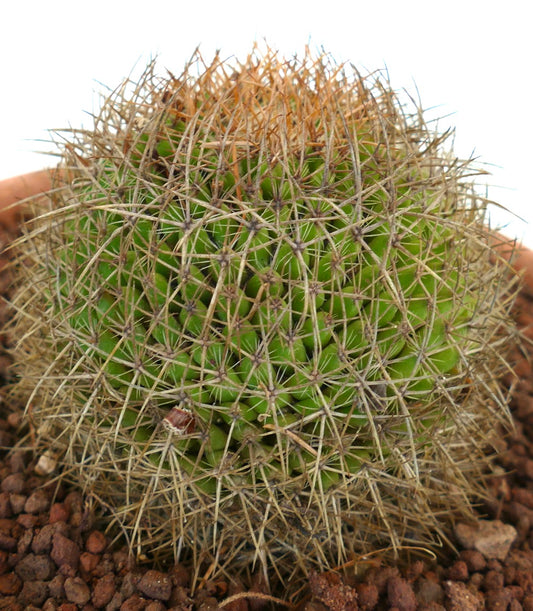
Mammillaria parkinsonii REP 2363 Pena Miller, Querétaro, Mexico
Regular price €12,00 EURRegular price€18,00 EURSale price €12,00 EURSold out -
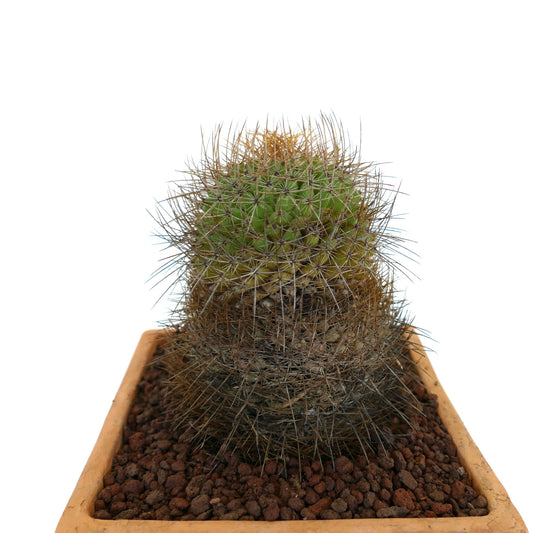
Mammillaria parkinsonii REP 2363 Pena Miller, Querétaro, Mexico
Regular price €6,00 EURRegular price€15,00 EURSale price €6,00 EURSale -
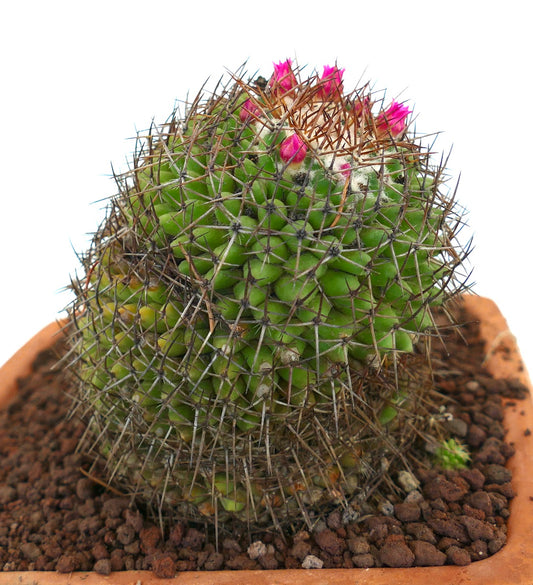
Mammillaria parkinsonii REP 2363 Pena Miller, Querétaro, Mexico
Regular price €4,00 EURRegular price€12,00 EURSale price €4,00 EURSale -
Mammillaria parkinsonii REP 2363 Pena Miller, Querétaro, Mexico
Regular price €6,00 EURRegular price€15,00 EURSale price €6,00 EURSold out -
Mammillaria parkinsonii REP 2363 Pena Miller, Querétaro, Mexico
Regular price €5,00 EURRegular price€15,00 EURSale price €5,00 EURSold out -
Mammillaria parkinsonii REP 2363 Pena Miller, Querétaro, Mexico
Regular price €4,00 EURRegular price€15,00 EURSale price €4,00 EURSale -
Mammillaria parkinsonii REP 2363 Pena Miller, Querétaro, Mexico
Regular price €4,00 EURRegular price€15,00 EURSale price €4,00 EURSale -
Mammillaria polythele (Guanajuato, Mexico)
Regular price €4,50 EURRegular price€15,00 EURSale price €4,50 EURSold out -
Mammillaria polythele (Guanajuato, Mexico)
Regular price €5,00 EURRegular price€10,00 EURSale price €5,00 EURSale -
Mammillaria polythele (Guanajuato, Mexico)
Regular price €5,00 EURRegular price€15,00 EURSale price €5,00 EURSale -
Mammillaria polythele (Guanajuato, Mexico)
Regular price €6,00 EURRegular price€18,00 EURSale price €6,00 EURSale -
Mammillaria thornberi subsp. yaquensis
Regular price From €10,00 EURRegular priceSale price From €10,00 EUR -
Mammillaria xochipilli (San Jose del Oro)
Regular price €8,00 EURRegular price€24,00 EURSale price €8,00 EURSold out
Collection: Mammillaria
Mammillaria: The Iconic Pincushion Cactus
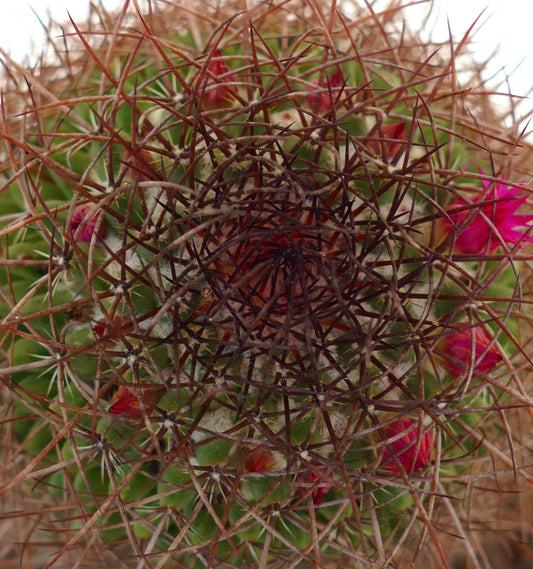
Mammillaria, commonly called the pincushion cactus, belongs to one of the largest genera in the cactus family, Cactaceae. These cacti are native primarily to the southwestern United States, Mexico, and parts of the Caribbean. They typically inhabit arid and semi-arid environments, thriving in rocky and sandy soils. Mammillaria species exhibit a distinctive rounded or cylindrical shape, covered densely with tubercles instead of ribs, which bear clusters of spines that protect them from herbivores and intense sunlight. Their small, colorful flowers usually emerge in a ring near the apex, creating a visually striking crown that attracts pollinators such as bees and butterflies.
Features of the Mammillaria Cactus
The Mammillaria cactus stands out for its compact growth habit and textured surface created by numerous conical tubercles. These tubercles not only support spines but also aid in water storage and reduce evaporation, an adaptation to their dry habitats. The flowers vary in color from white and pink to yellow and red, depending on the species. Additionally, many species produce small, fleshy fruits that serve as food for local wildlife, facilitating seed dispersal. This genus displays remarkable morphological diversity, ranging from solitary globose plants to clustered forms that form dense mats.
Care for Mammillaria Cactus
Growing a Mammillaria cactus requires replicating its natural conditions. These cacti prefer bright, indirect sunlight but can tolerate some direct exposure, which enhances flowering. They demand well-draining soil, typically a mix of coarse sand, perlite, and organic matter, to prevent root rot caused by excess moisture. Watering should be moderate during the growing season and minimal during dormancy in winter. Their resilience and low water needs make them suitable for indoor cultivation and xeriscaping. Besides, their shallow root systems adapt well to container growth, provided the pots allow quick drainage.
In addition,
- they benefit from occasional fertilization during active growth with diluted cactus fertilizer,
- they require protection from frost and excessive humidity,
- and they often respond well to repotting every few years to refresh soil and accommodate growth.
Varieties of Mammillaria
The genus Mammillaria includes over 200 species, each with unique characteristics. For instance, Mammillaria elongata features slender, finger-like stems covered in dense, golden spines, which provide a soft, brush-like appearance. Meanwhile, Mammillaria hahniana is recognized by its woolly white hairs and long spines, adaptations that reflect sunlight and reduce water loss. Other notable species include Mammillaria bocasana, with its hairy, snowball-like clusters, and Mammillaria plumosa, known for its feathery, white spines. These variations contribute to the genus's ecological success across different microhabitats, from rocky slopes to desert plains.
Overall, the Mammillaria cactus represents a fascinating group of plants with significant ecological roles, including soil stabilization and providing resources for desert fauna. Their diverse forms and ease of care continue to captivate botanists and plant enthusiasts alike.
Other Collections in the Archive
-
Specimen Plants
Specimen Plants in our Store Specimen Plants captivate plant enthusiasts with their...
-
Catalogue Plants
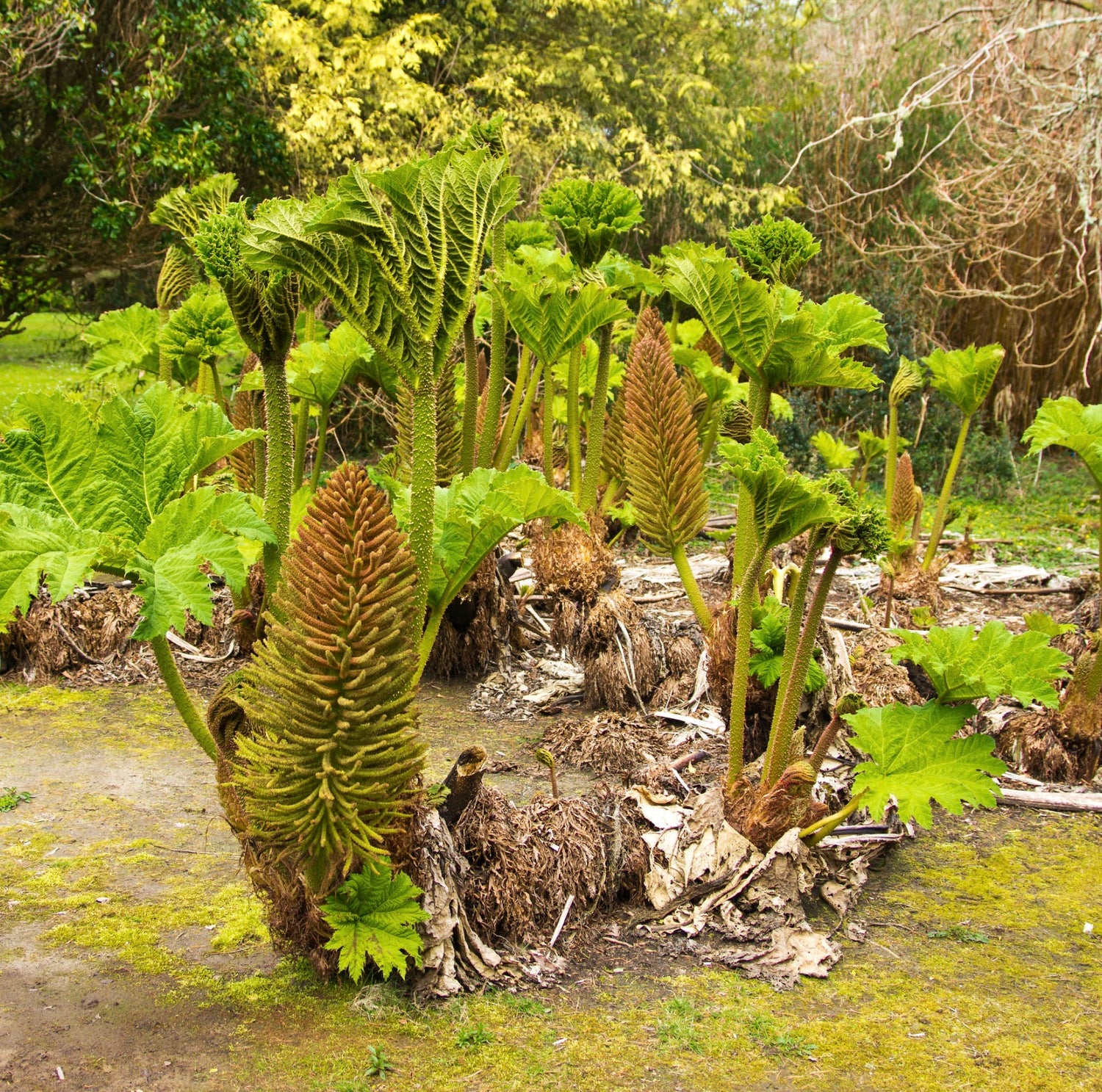
Catalogue plants provide a wide variety of options to elevate your garden...
-
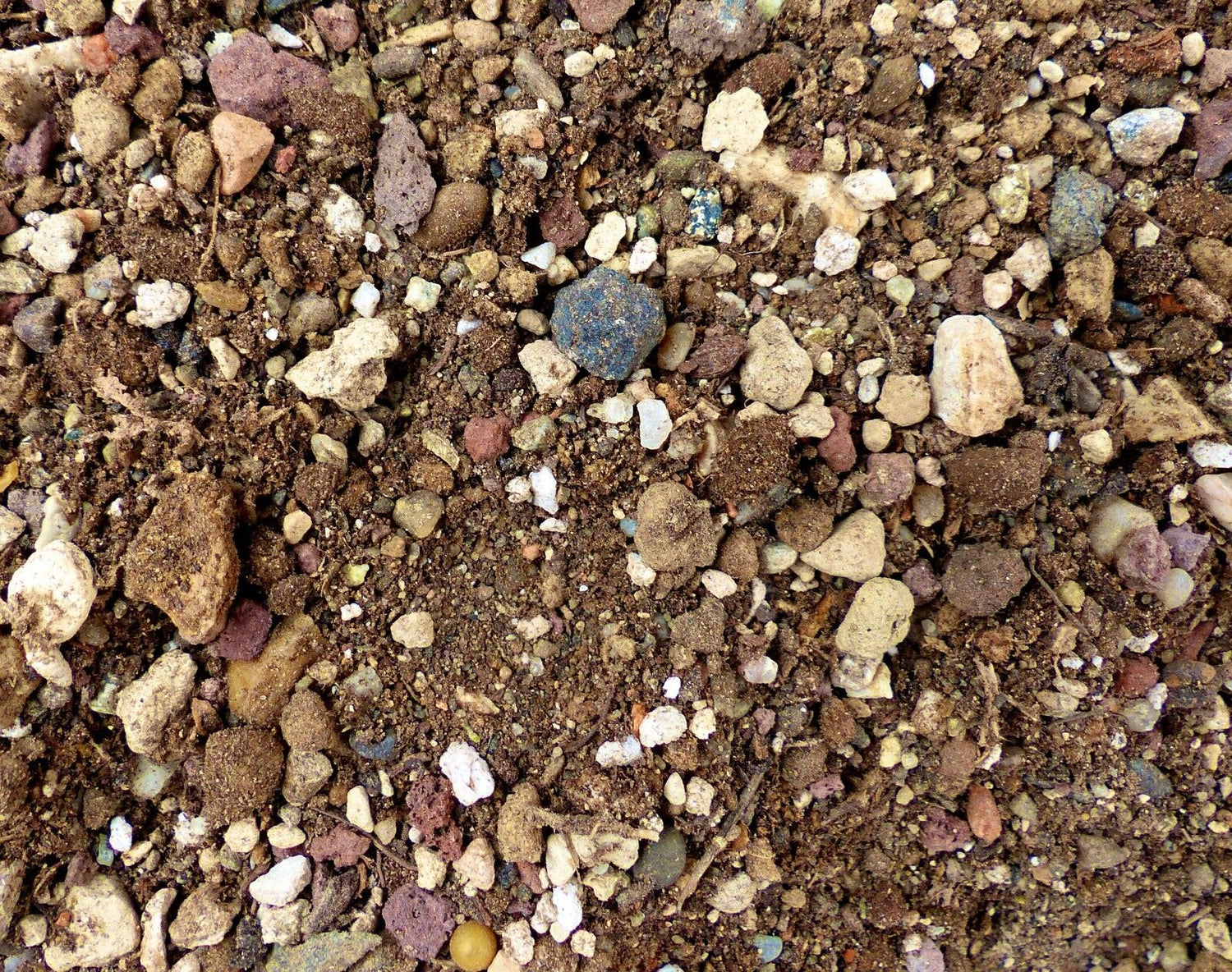
Gardening Tools & Soils
Gardening tools – essentials for healthy soils and thriving plants Building a...