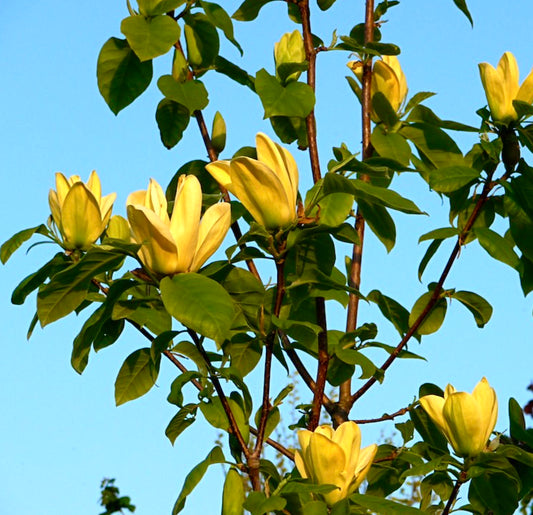
Magnolia

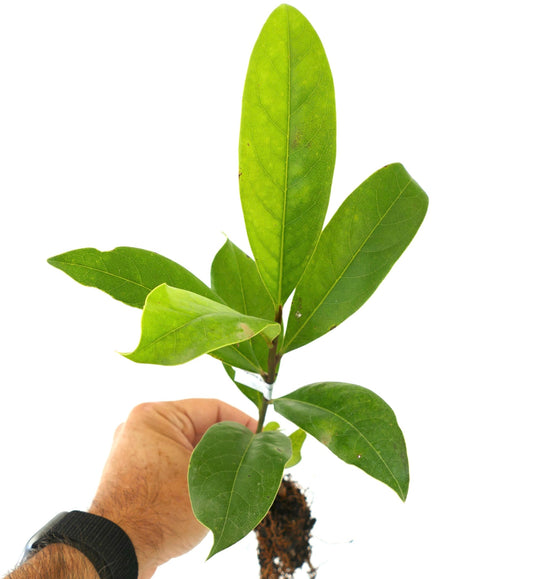
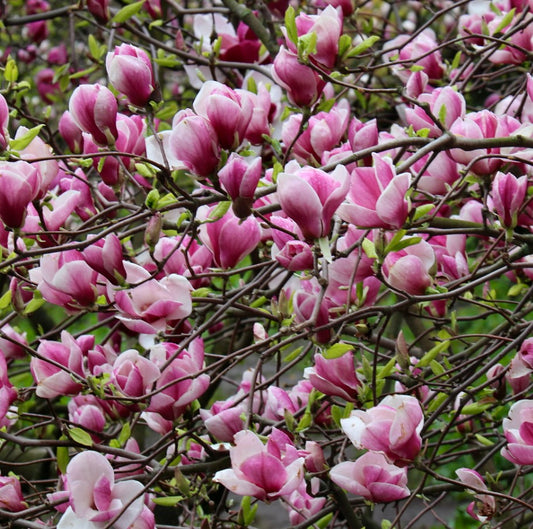
Discover our Magnolia collection, featuring graceful, flowering trees and shrubs celebrated for their large, fragrant blooms and lush, glossy leaves. Native to Asia and the Americas, Magnolia species bloom in early spring or summer, with spectacular flowers in shades of white, pink, purple, or yellow, often before the leaves emerge. Their impressive flowers and attractive foliage make them popular as ornamental trees. Thriving in full sun to partial shade and well-draining, slightly acidic soil, Magnolia is perfect for gardens and parks, adding elegance and beauty to any landscape.

Collection: Magnolia

Magnolia: A Timeless Symbol of Elegance

Magnolia flowers are renowned for their striking beauty and rich symbolic meanings. These trees and shrubs produce large, fragrant blooms that enhance gardens and landscapes worldwide. Their elegant appearance and diverse forms make them a popular choice among horticulturists and nature enthusiasts alike.

The Beauty of Magnolia Flowers

Magnolia flowers display a wide range of colors, including pure white, soft pink, deep purple, and even yellow hues. Their bold, cup-shaped blossoms often emerge before the leaves in early spring, adding visual interest to natural and cultivated environments. These flowers possess a unique structure with thick, waxy petals adapted to protect reproductive organs from cold temperatures and insect damage. Magnolias thrive in temperate and subtropical climates, flourishing in well-drained, acidic to neutral soils. They tolerate urban pollution and varying moisture levels, which explains their successful cultivation in both city and rural settings.

Magnolia Bushes: Compact and Vibrant

Magnolia bushes offer a compact alternative to the larger magnolia trees, making them suitable for smaller gardens and urban landscapes. These shrubs maintain the elegant floral display characteristic of magnolias while occupying less space. Their dense foliage provides shelter for various bird species, and the flowers attract pollinators such as bees and beetles. Magnolia bushes are often used as hedges or focal points in garden design, combining aesthetic appeal with ecological benefits. They adapt well to pruning, which helps maintain their shape and encourages more prolific blooming.

The Meaning of Magnolia Flowers

The meaning of magnolia flowers extends beyond their beauty; they symbolize purity, dignity, and endurance in many cultures. Historically, magnolias have represented nobility and perseverance, often featured in art and literature. Their long-lasting blooms and sturdy nature reflect resilience, making them meaningful in ceremonial contexts. Magnolias also play a role in their ecosystems by supporting a variety of insects and animals, creating symbiotic relationships that enhance biodiversity.

Among the numerous magnolia plants species, the Southern Magnolia (Magnolia grandiflora) is notable for its large, fragrant white flowers and evergreen leaves. The Star Magnolia (Magnolia stellata), with its delicate star-shaped blooms, is another popular species valued for early spring flowering. Other species exhibit diverse adaptations to different habitats, from temperate forests to subtropical regions. These variations demonstrate the genus’s ecological versatility and importance in different environments.

  • Magnolias are ancient plants dating back millions of years, predating bees and relying on beetles for pollination.
  • Their large flowers have thick petals to withstand cooler climates and protect reproductive parts.
  • Magnolias provide habitat and food for various wildlife, including insects, birds, and small mammals.
  • They grow naturally in Asia and the Americas, with species adapted to a range of forest and woodland habitats.
  • Magnolia wood is valued for its fine grain and is sometimes used in furniture making.