Collection: Iris
Iris: A Flower of Timeless Beauty
Iris represents a remarkable genus of flowering plants known for their striking elegance and vibrant colors. These perennial plants belong to the family Iridaceae and exhibit unique floral structures that have fascinated botanists and gardeners for centuries. Native to temperate regions of the Northern Hemisphere, Iris species thrive in diverse habitats ranging from cold mountainous areas to marshy wetlands, demonstrating considerable ecological adaptability.
The Versatility of Iris Flowers
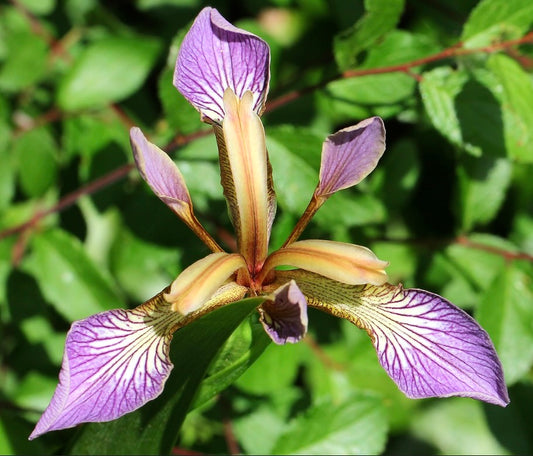
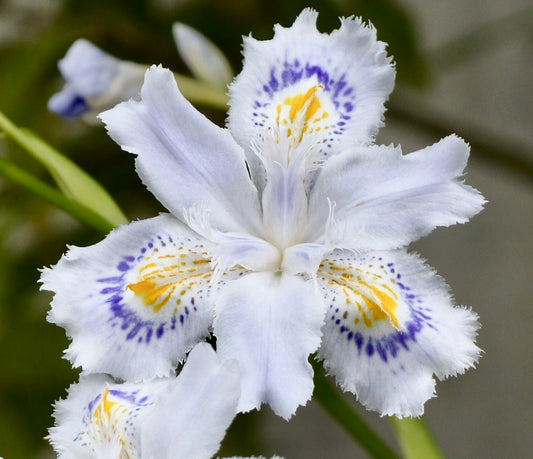
Iris flowers display a wide spectrum of colors including deep purples, blues, yellows, and whites, often with intricate patterns that attract various pollinators. Morphologically, the flowers feature three large outer petals called falls and three inner upright petals called standards, which aid in pollination by guiding insects. Their adaptability allows them to flourish in different garden environments, from rock gardens to water edges. Iris flowers contribute ecologically by supporting pollinator species such as bees and butterflies, playing a crucial role in local biodiversity. In a single paragraph, consider these key attributes:
- Wide color range and distinctive petal arrangement
- Adaptation to diverse habitats including wetlands and alpine zones
- Role in supporting pollinators like bees and butterflies
- Use in ornamental horticulture for borders and water gardens
- Variation among species such as Bearded and Siberian Iris
Caring for Iris Plants
Growing Iris plants requires attention to their preferred soil and light conditions. They thrive best in well-drained, fertile soils and require full sun to partial shade to bloom optimally. Regular division of rhizomes every few years promotes vigorous growth and prevents overcrowding. Additionally, these plants have adaptations such as rhizomatous roots that store nutrients and allow survival through seasonal changes. Proper care ensures that Iris plants can bloom profusely each season, contributing to garden aesthetics and ecological balance by providing habitat and food sources for various insects.
The Meaning Behind Iris Flowers
The symbolism of Iris flowers is rich and varied across cultures. Historically, they have symbolized royalty, wisdom, and valor, often depicted in art and literature. In addition to their cultural significance, these flowers serve as indicators of environmental health, as some species are sensitive to habitat changes. Their presence in natural and cultivated settings highlights both aesthetic beauty and ecological importance. Incorporating Iris flowers into gardens not only enhances visual appeal but also connects people with botanical heritage and environmental awareness.