Discover the Unique Beauty of Grevillea Plants
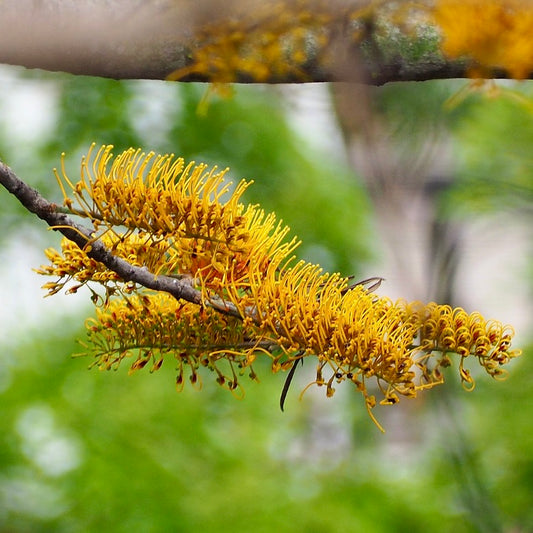
The Grevillea genus comprises a wide range of evergreen shrubs and trees, celebrated for their striking floral forms and significant ecological roles. Native mainly to Australia, these plants have adapted to thrive in diverse habitats such as woodlands, heathlands, and coastal regions. Their characteristic spider-like flowers produce abundant nectar, which attracts numerous pollinators including birds, bees, and butterflies, thus supporting essential ecological interactions and biodiversity.
Grevillea: A Versatile Ornamental Plant
Grevillea species are popular in horticulture due to their vibrant flowers and resilience in challenging environments. They tolerate nutrient-poor soils and dry climates, which makes them suitable for sustainable landscaping practices. Noteworthy cultivars like Grevillea Moonlight and Grevillea Coastal Gem provide vivid color contrasts and varied textures in garden settings. These plants also enhance local biodiversity by serving as reliable nectar sources for native wildlife, thus integrating ecological function with ornamental appeal.
Popular Varieties of Grevillea
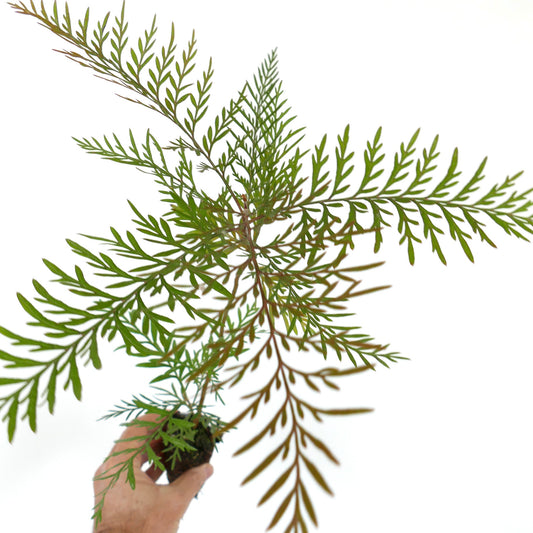
The genus exhibits extensive diversity in growth forms and floral traits. For instance, Grevillea Robusta, known as Silky Oak, is a tall tree featuring large, fern-like leaves and bright orange flowers that attract nectar-feeding birds. Conversely, Grevillea Lanigera Mt Tamboritha is a compact shrub with woolly foliage, often used as an effective ground cover. Varieties such as Grevillea Peaches and Cream and Grevillea Superb display striking multicolored blooms that appeal to a broad range of pollinators, thereby enhancing the ecological value of cultivated gardens.
These examples illustrate the genus’s adaptability to different ecological niches and horticultural uses, ranging from shade trees to low hedges, each contributing uniquely to habitat complexity.
How to Grow and Care for Grevillea
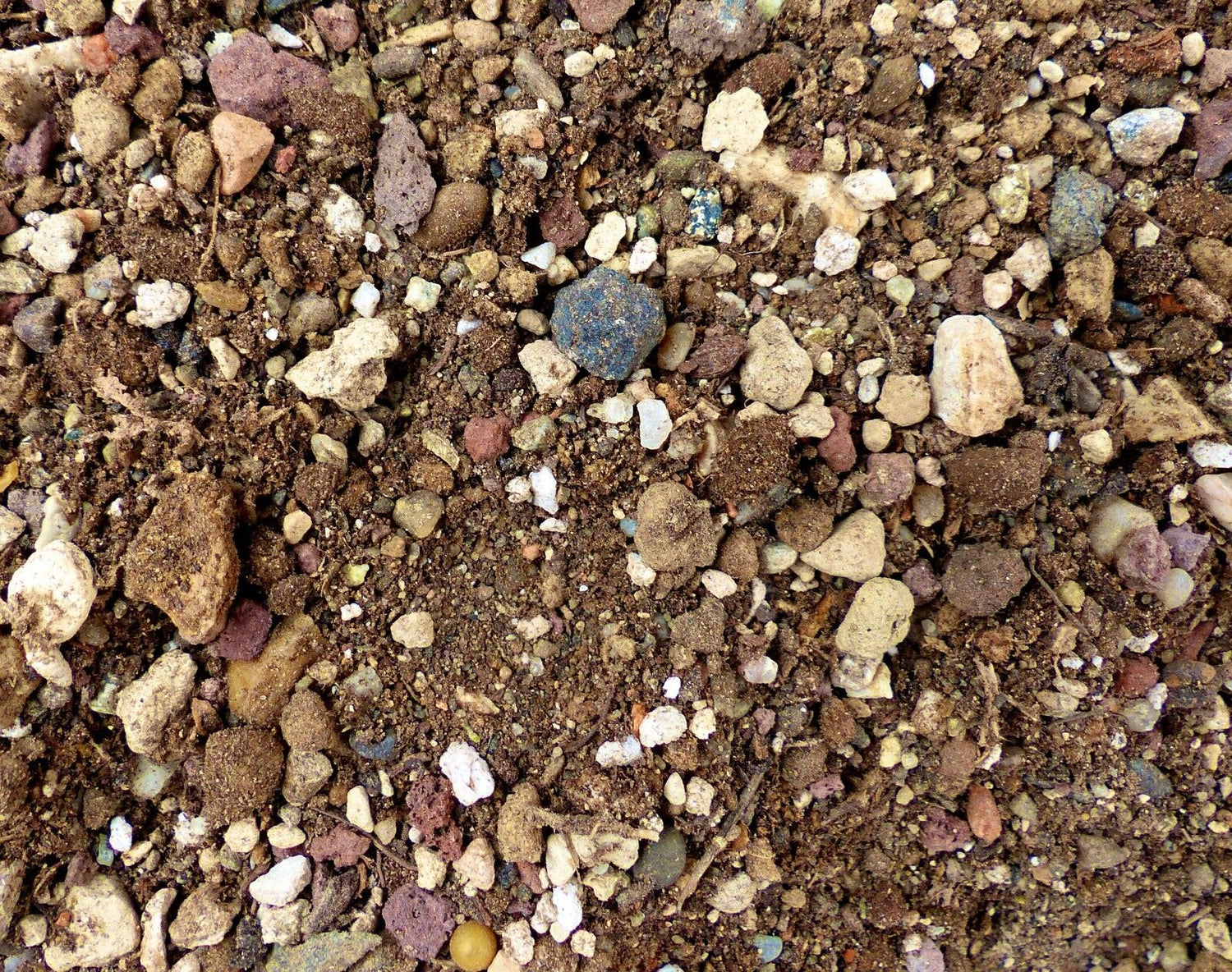
Grevillea plants prosper in well-drained sandy or loamy soils under full sun exposure. Their natural drought tolerance renders them ideal for xeriscaping and regions with limited water availability. Ensuring good air circulation around the plants helps prevent fungal infections, while pruning after flowering promotes denser growth and enhances floral display. Additionally, these plants require minimal fertilization, as excessive nutrients may damage their sensitive root systems.
Incorporating a
- layer of mulch to conserve soil moisture and regulate temperature,
- regular monitoring to detect and manage pests early,
- planting in environments that replicate their native habitats to optimize growth,
- and avoiding waterlogging to prevent root rot
- can significantly improve the health and longevity of Grevillea in garden settings.
These care practices support the plants’ natural adaptations, fostering robust development and sustained flowering.
Why Choose Grevillea for Your Garden
The Grevillea plant offers exceptional versatility in landscaping, functioning as flowering hedges, ground covers, or striking focal points. Their evergreen foliage provides year-round greenery, while their nectar-rich flowers sustain native fauna, including specialized bird and insect species. Furthermore, these plants contribute to soil stabilization and habitat restoration in disturbed or degraded areas. Their capacity to adapt to a variety of climatic and soil conditions, combined with low maintenance needs, makes Grevillea an excellent option for sustainable, ecologically informed gardening practices.

 Sold out