
Ferocactus
-
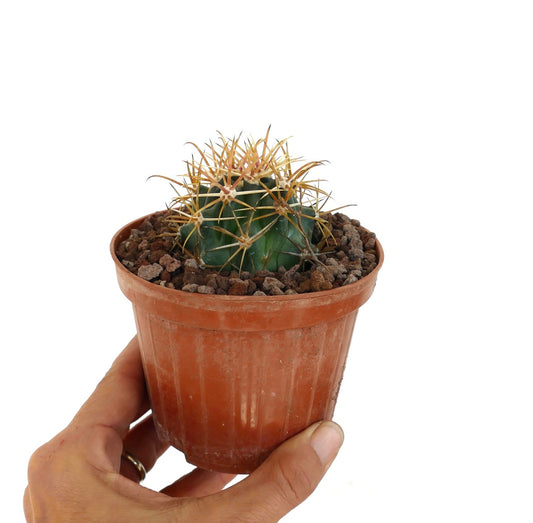
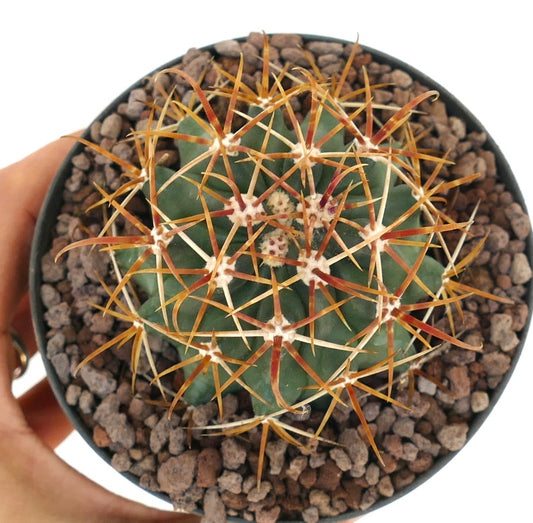
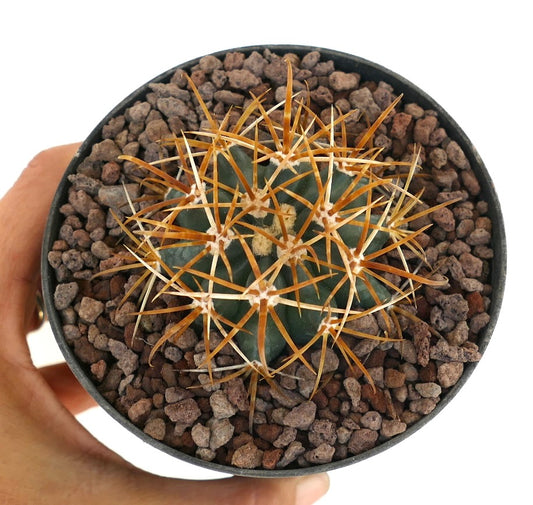
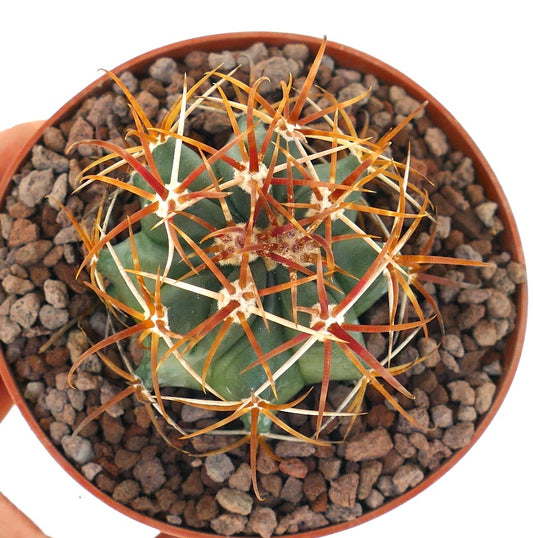
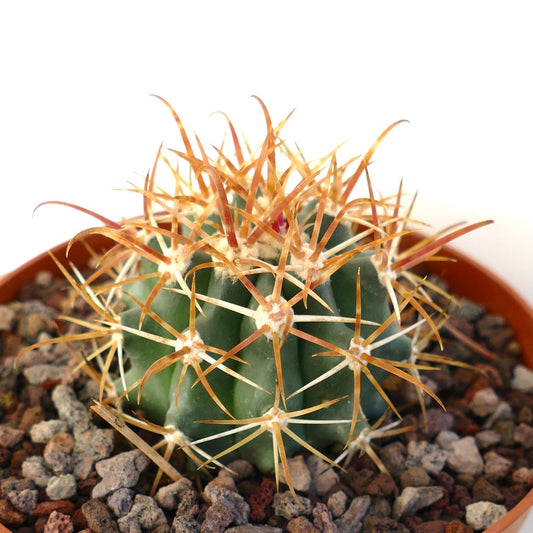
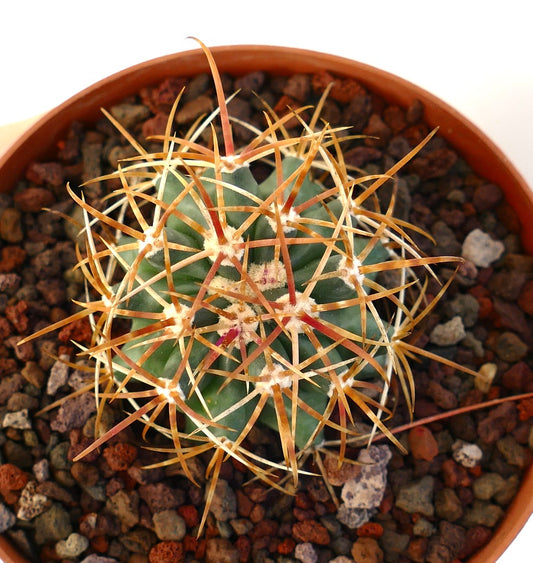
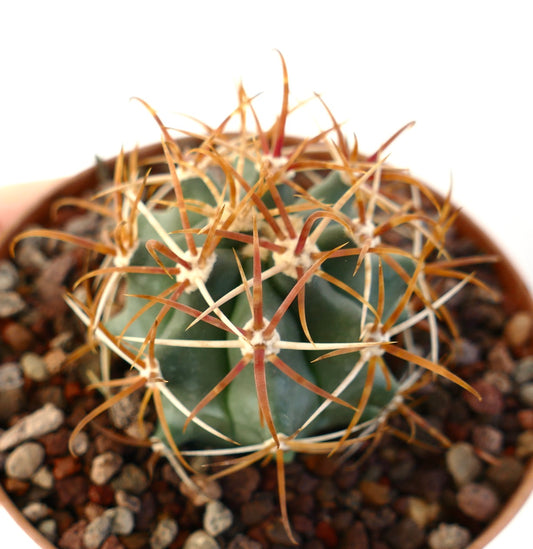
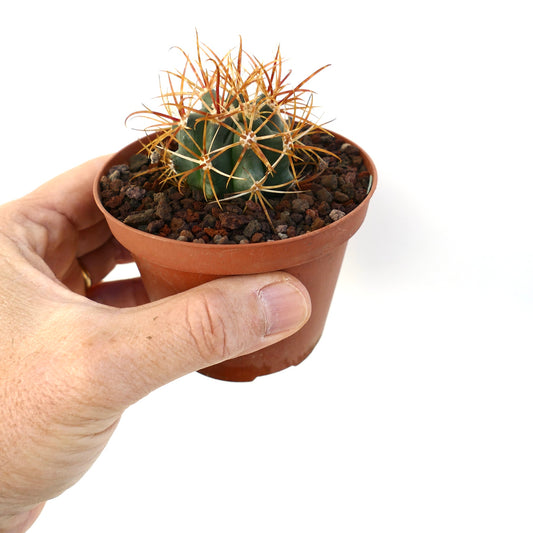
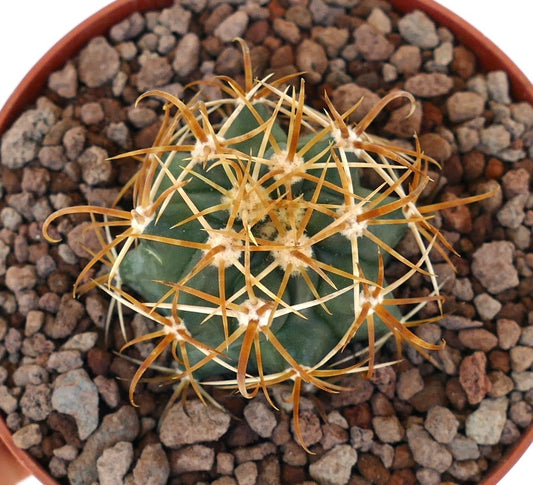
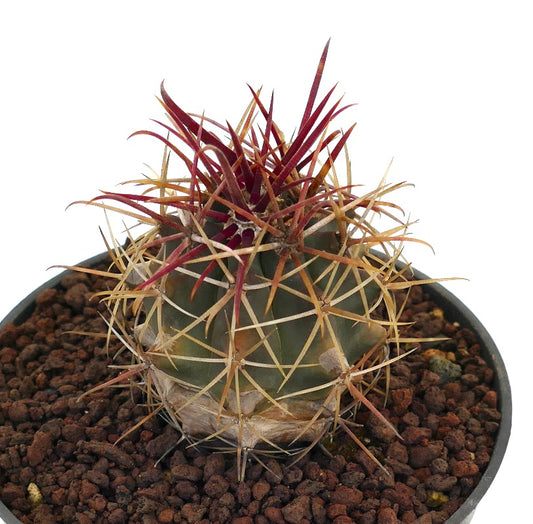
Ferocactus chrysacanthus ORANGE-RED spines
Regular price €18,00 EURRegular price -
Ferocactus chrysacanthus ORANGE-RED spines
Regular price €14,00 EURRegular price€18,00 EURSale price €14,00 EURSold out -
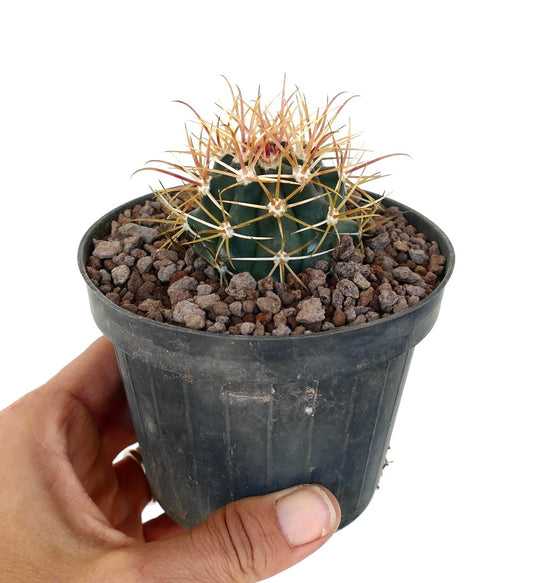
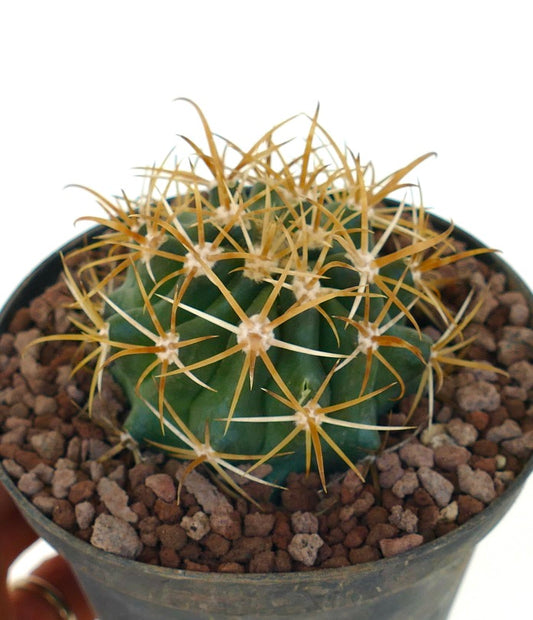
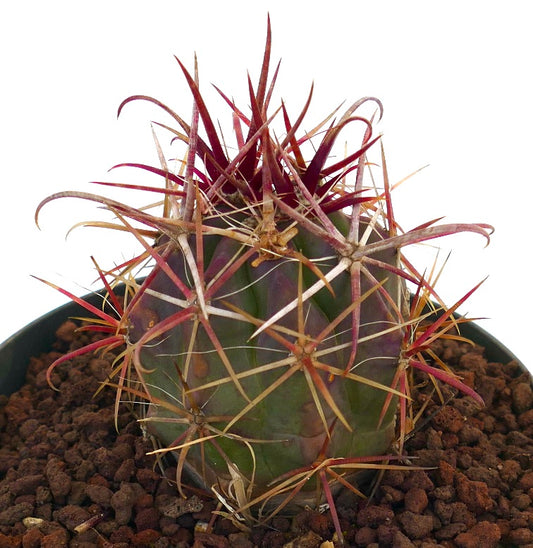
Ferocactus chrysacanthus ORANGE-RED spines 7095
Regular price €14,00 EURRegular price€18,00 EURSale price €14,00 EURSold out -
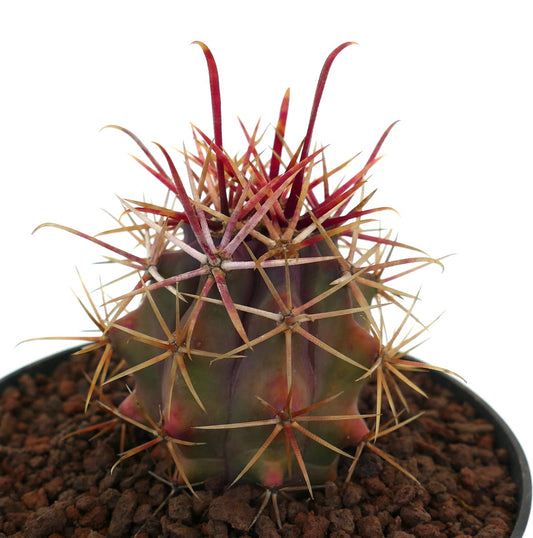
Ferocactus chrysacanthus ORANGE-RED spines AP4
Regular price €13,00 EURRegular price€16,00 EURSale price €13,00 EURSale -
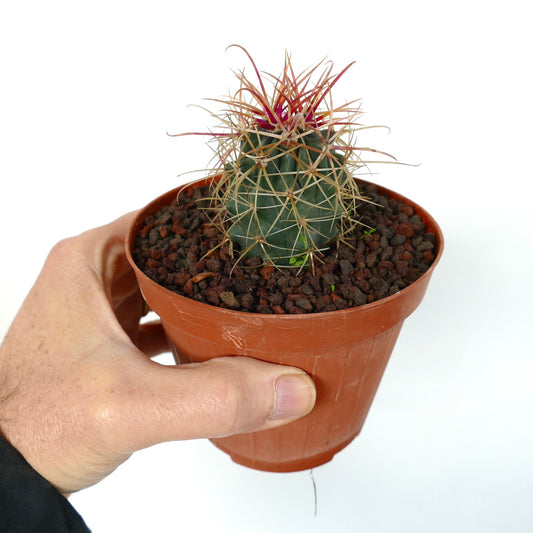
Ferocactus chrysacanthus RED SPINES x Ferocactus longispinmus
Regular price €18,00 EURRegular price -
Ferocactus chrysacanthus RED spines X YELLOW spines
Regular price €27,00 EURRegular price -
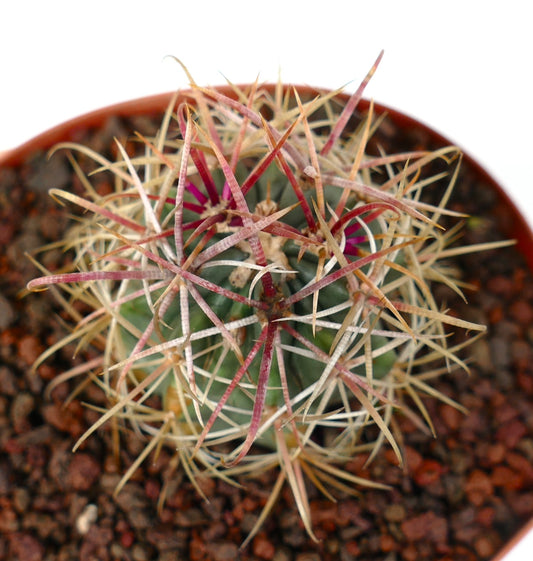
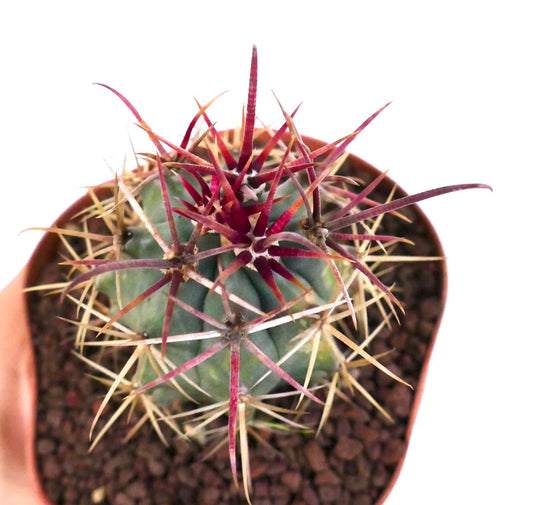
Ferocactus chrysacanthus RED-ORANGE
Regular price €12,00 EURRegular price€17,00 EURSale price €12,00 EURSale -
Ferocactus chrysacanthus RED-ORANGE 88NA-99FA
Regular price €10,00 EURRegular price€18,00 EURSale price €10,00 EURSold out -
Ferocactus chrysacanthus RED-ORANGE 8943
Regular price €12,00 EURRegular price€18,00 EURSale price €12,00 EURSale -
Ferocactus chrysacanthus RED-ORANGE 98H7
Regular price €13,00 EURRegular price€16,00 EURSale price €13,00 EURSold out -
Ferocactus chrysacanthus RED-ORANGE selected BA13F88
Regular price €11,00 EURRegular price€16,00 EURSale price €11,00 EURSold out -
Ferocactus chrysacanthus RED-ORANGE X3B7
Regular price €12,00 EURRegular price€18,00 EURSale price €12,00 EURSold out -
Ferocactus chrysacanthus selected ORANGE SPINES
Regular price €12,00 EURRegular price€17,00 EURSale price €12,00 EURSold out -
Ferocactus chrysacanthus SUPER GOLDEN AS688
Regular price €18,00 EURRegular price€22,00 EURSale price €18,00 EURSold out -
Ferocactus chrysacanthus SUPER YELLOW SPINES
Regular price €22,00 EURRegular price€28,00 EURSale price €22,00 EURSold out -
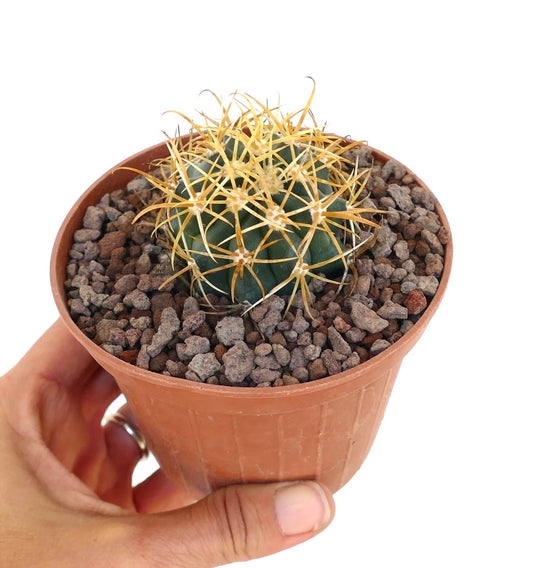
Ferocactus chrysacanthus YELLOW ORANGE
Regular price €12,00 EURRegular price€16,00 EURSale price €12,00 EURSale -
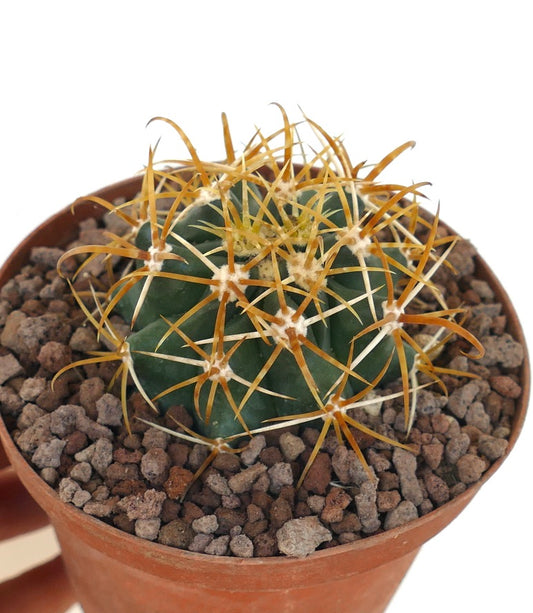
Ferocactus chrysacanthus YELLOW SPINES
Regular price €13,00 EURRegular price€18,00 EURSale price €13,00 EURSale -
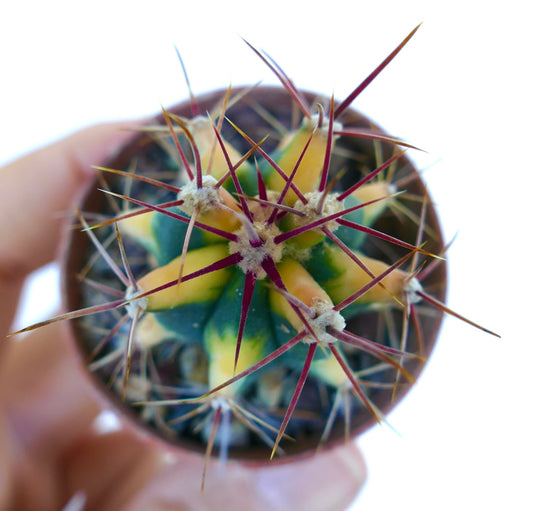
Ferocactus chrysacanthus YELLOW VARIEGATED
Regular price €19,00 EURRegular price -
Ferocactus chrysacanthus YELLOW x RED spines
Regular price €27,00 EURRegular price -
Ferocactus cylindraceus lecontei EXTRA RED SPINES SAB2
Regular price €35,00 EURRegular price -
Ferocactus cylindraceus lecontei SUPER RED SPINES
Regular price €38,00 EURRegular price -
Ferocactus cylindraceus v lecontei EXTRA RED SPINES A78
Regular price €34,00 EURRegular price -
Ferocactus cylindraceus v. lecontei STRONG RED SPINES
Regular price €38,00 EURRegular price -
Ferocactus cylindraceus var. lecontei
Regular price €35,00 EURRegular price

























Other Collections in the Archive
-

Specimen Plants
Specimen Plants in our Store Specimen Plants captivate plant enthusiasts with their...
-
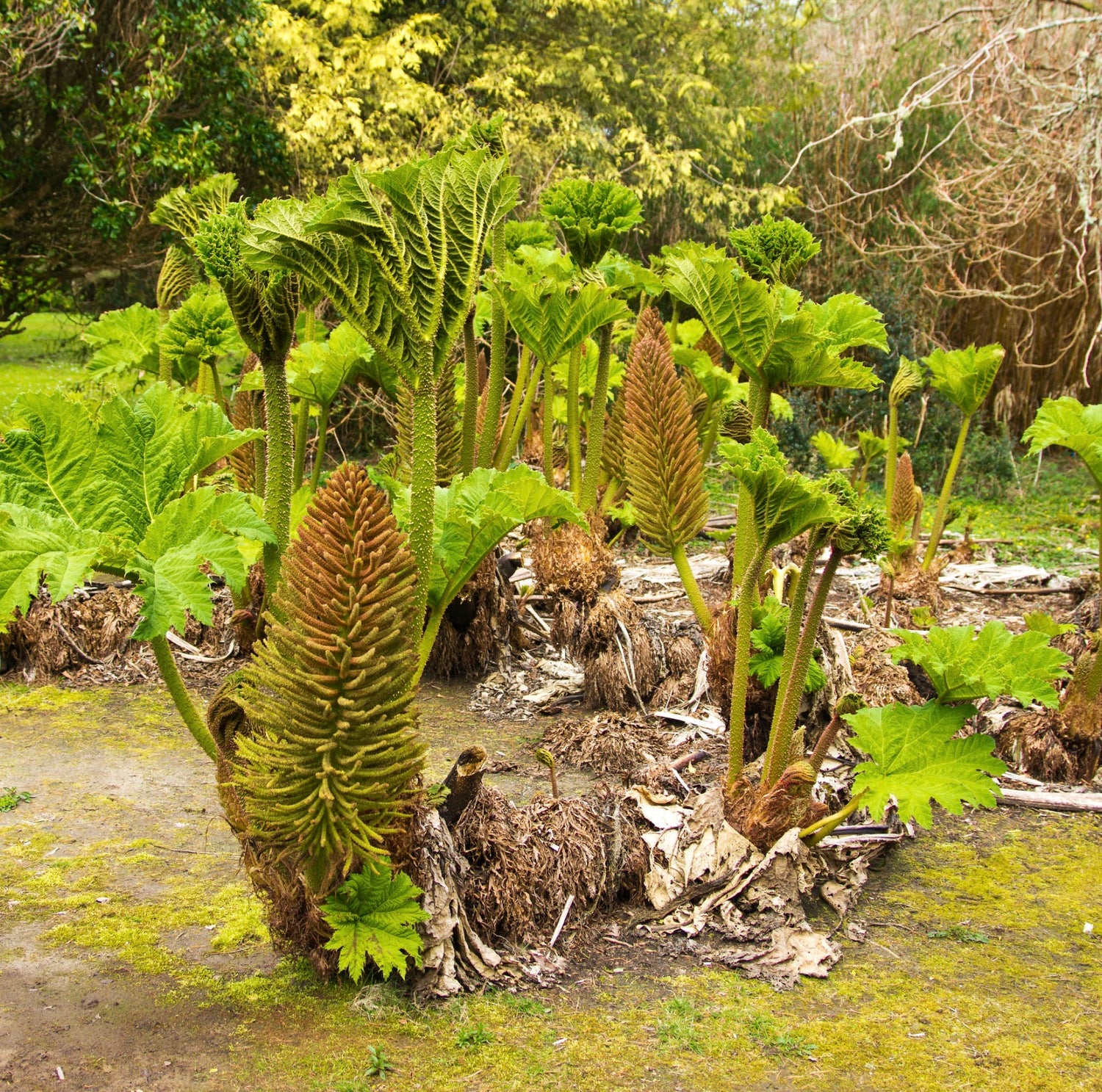
Catalogue Plants
Catalogue plants provide a wide variety of options to elevate your garden...
-
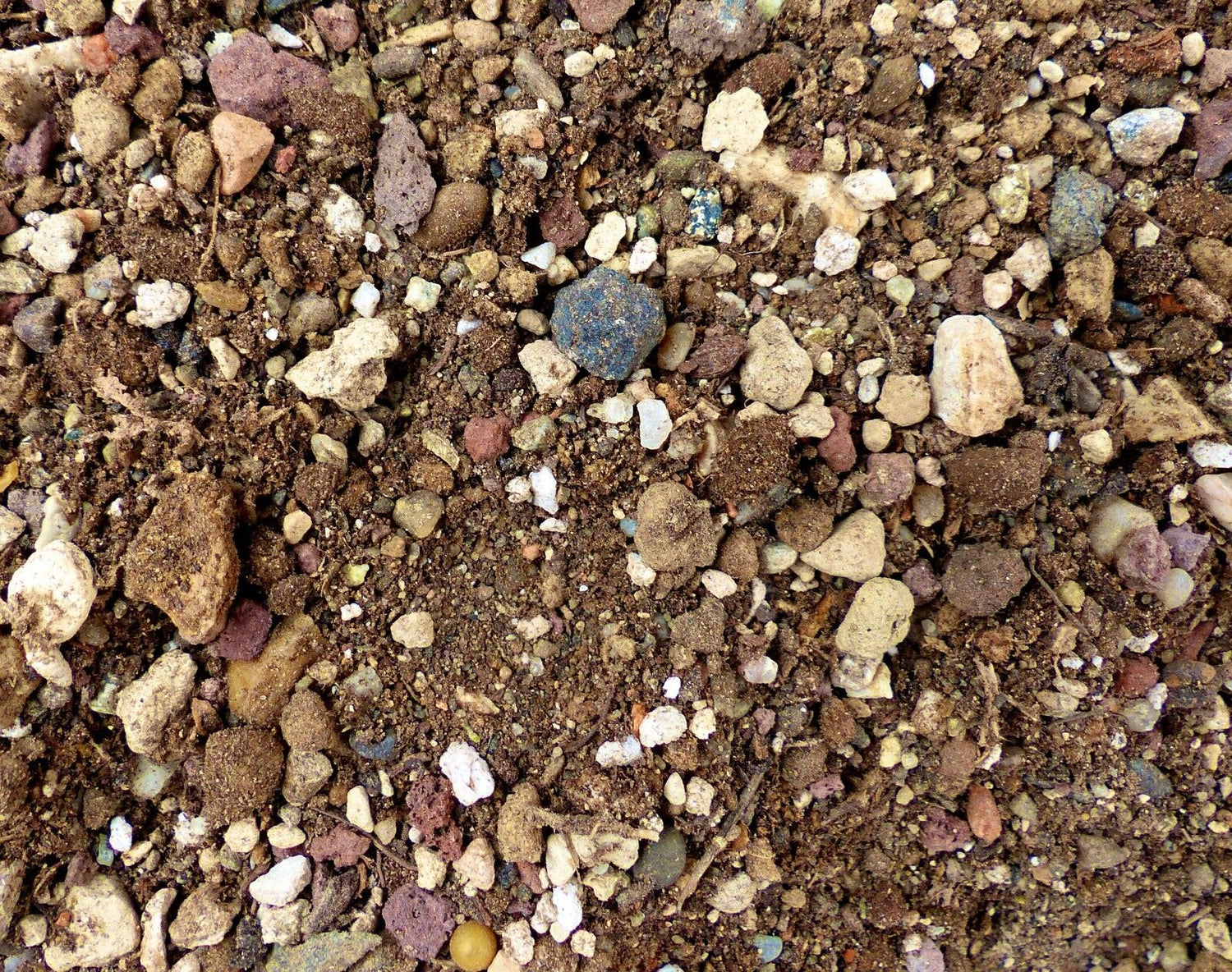
Gardening Tools & Soils
Gardening tools – essentials for healthy soils and thriving plants Building a...


