Explore the Beauty of Echinopsis
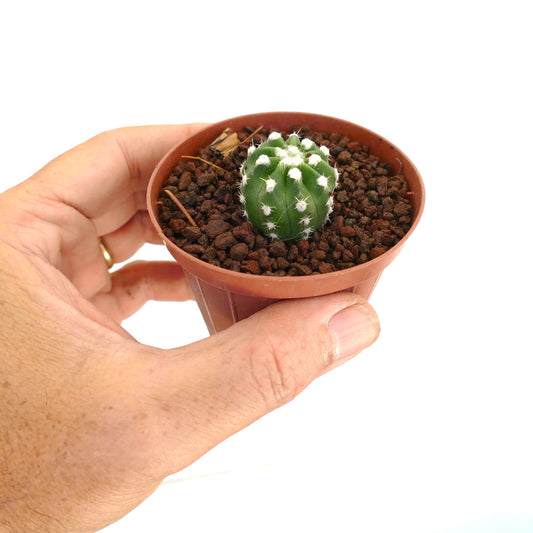
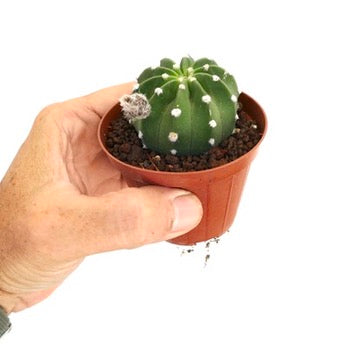
Echinopsis represents a fascinating genus of cacti known for its diverse and striking species. These plants typically exhibit ribbed, globular to columnar stems that adapt well to arid environments. Their large, trumpet-shaped flowers bloom spectacularly, often opening at night and attracting specific pollinators such as moths and bats. Native primarily to South America, Echinopsis species thrive in various habitats ranging from high-altitude Andean regions to lowland deserts, showcasing remarkable ecological adaptability.
Discover the Diverse Echinopsis Species
Within the genus, species like Echinopsis pachanoi, commonly called the San Pedro cactus, and Echinopsis chamaecereus, known as the peanut cactus, demonstrate significant morphological variation. The former is renowned for its tall, columnar growth and traditional uses, while the latter forms dense clusters of slender stems. These species contribute to their ecosystems by providing shelter and food for local fauna. Echinopsis cacti often display spines that serve as protection against herbivory and help reduce water loss. Their flowers, which can be white, pink, red, or yellow, play a vital role in reproductive success through specialized pollination mechanisms.
Many cactus Echinopsis species have evolved to survive in nutrient-poor soils by developing extensive root systems that efficiently absorb scarce water and minerals. These adaptations allow them to colonize rocky slopes and desert plains effectively.
Learn About Echinopsis Care
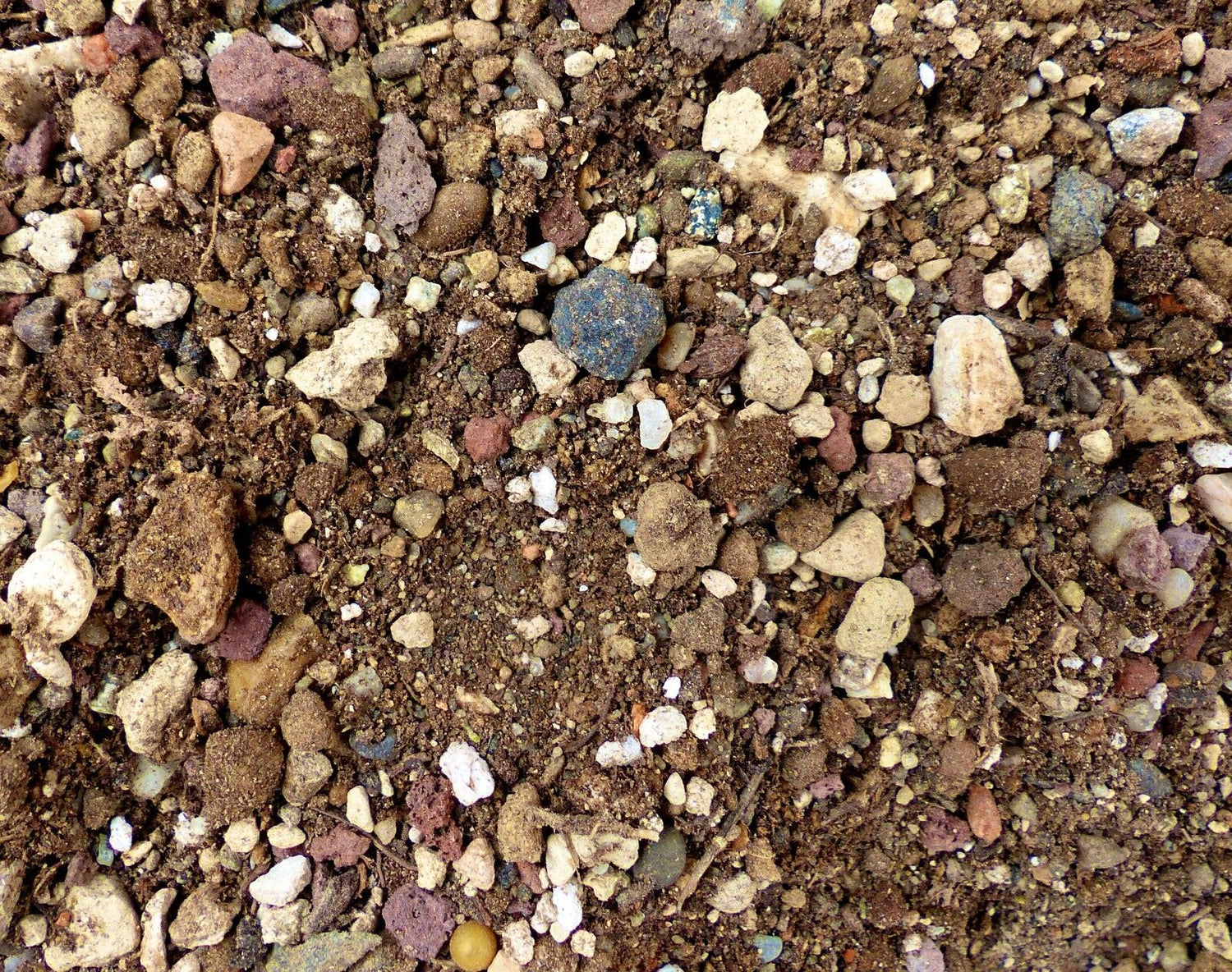
Maintaining healthy Echinopsis flowers requires understanding their natural growing conditions. They prefer well-draining Echinopsis soil mixes that prevent root rot and ensure aeration. Bright but indirect Echinopsis sunlight replicates their native exposure, as intense direct sun can cause tissue damage. Proper Echinopsis watering involves allowing the soil to dry between waterings, mimicking seasonal rainfall patterns. Overwatering risks fungal infections, while insufficient hydration can stunt growth.
Temperature and humidity also influence Echinopsis health. These cacti tolerate warm temperatures but need protection from frost. Seasonal dormancy during cooler months is essential for their lifecycle, reducing metabolic activity and conserving resources.
Cultivate and Propagate Echinopsis
Propagation methods include sowing Echinopsis seeds and vegetative techniques such as cuttings or offsets. Seeds require warm temperatures and light to germinate, while cuttings root faster and preserve parental traits. Selecting appropriate Echinopsis pots with drainage holes and using organic fertilizers enhance growth by providing nutrients and preventing water stagnation.
Understanding the ideal Echinopsis habitat helps replicate environmental factors in cultivation. These plants benefit from occasional fertilization during the growing season and should be gradually acclimated when moved indoors or outdoors.
To summarize, key care aspects include:
- Well-draining soil to avoid root rot
- Bright, indirect sunlight replicating natural light levels
- Controlled watering schedules mimicking native rainfall
- Protection from extreme cold and frost
- Use of organic fertilizers during active growth periods
Shop and Grow Your Collection
Expanding a collection with Echinopsis plants offers opportunities to observe their ecological roles and morphological diversity. These succulents adapt well to home and office environments, providing both aesthetic and educational value. Their resilience and unique flowering characteristics make them subjects of interest for botanists and hobbyists alike.