Echeveria: A Succulent Beauty for Every Space
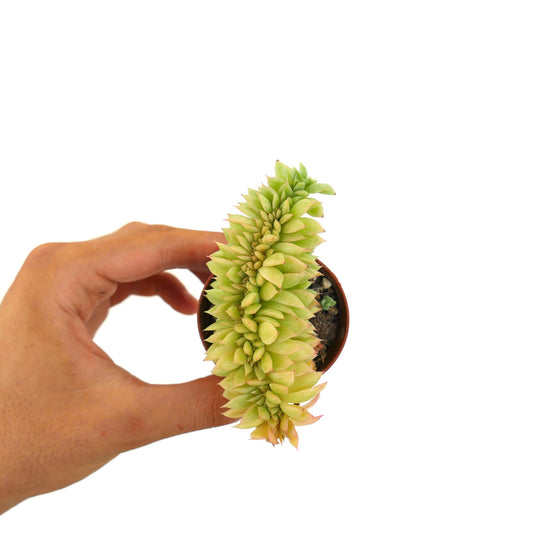
The Echeveria genus includes a diverse group of succulent plants well known for their vibrant rosette shapes and striking color variations. These plants belong to the Crassulaceae family and are native to semi-desert regions of Central America, Mexico, and northwestern South America. Their fleshy leaves store water, enabling them to survive in arid environments with minimal rainfall. Due to their attractive appearance and adaptability, Echeveria species have become popular in indoor arrangements, outdoor gardens, and decorative displays worldwide.
Echeveria Elegans: The Perfect Choice
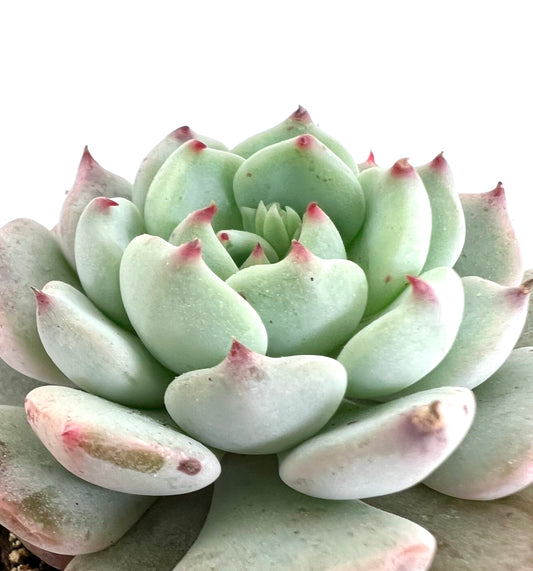
The Echeveria elegans, commonly known as the Mexican snowball, is one of the most recognized species within this genus. It features powdery, pale blue-green leaves arranged in a tight, symmetrical rosette. This succulent thrives in well-drained, sandy soils and requires minimal watering, as excessive moisture can cause root rot. Its natural habitat includes rocky slopes and dry grasslands, where it has adapted to withstand drought and intense sunlight. Additionally, the Echeveria elegans produces charming pink or coral-colored flowers on tall stalks during its blooming season, which can attract pollinators such as bees and hummingbirds.
Care Tips for Echeveria Succulents
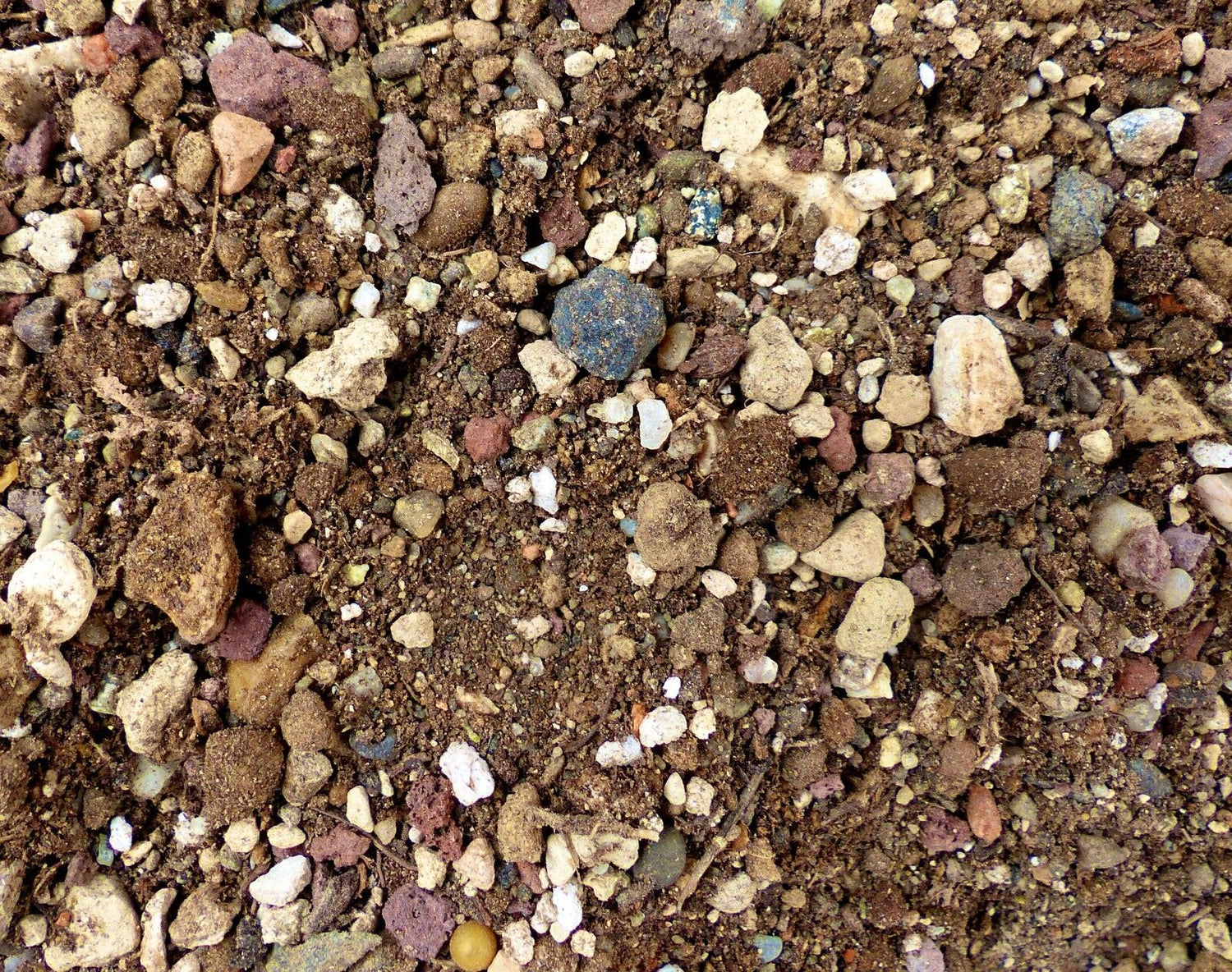
Caring for an echeveria succulent involves replicating its natural conditions as closely as possible. These plants require bright, indirect sunlight to maintain their vibrant colors and compact shape. A well-draining, sandy soil mix is essential to prevent waterlogging. Watering should be done sparingly, only when the soil is completely dry, to mimic the dry spells of their native habitats. Furthermore, Echeveria plants benefit from good air circulation and moderate temperatures, typically between 65°F and 80°F (18°C to 27°C). They are generally pest-resistant but can occasionally be affected by mealybugs or aphids.
Here are some key points to successfully cultivate Echeveria succulents:
- Provide ample bright, indirect sunlight.
- Use well-draining, sandy soil mixtures.
- Water only when soil is dry to prevent rot.
- Maintain moderate temperatures and good airflow.
- Watch for common pests like mealybugs and aphids.
Exploring Echeveria Varieties
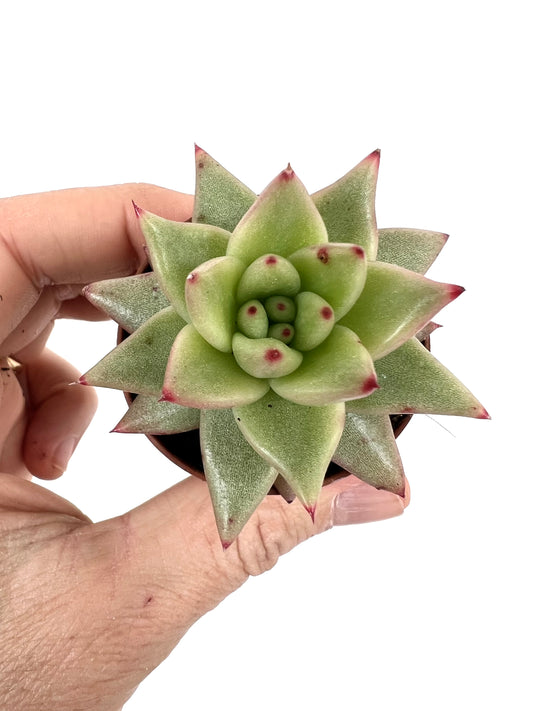
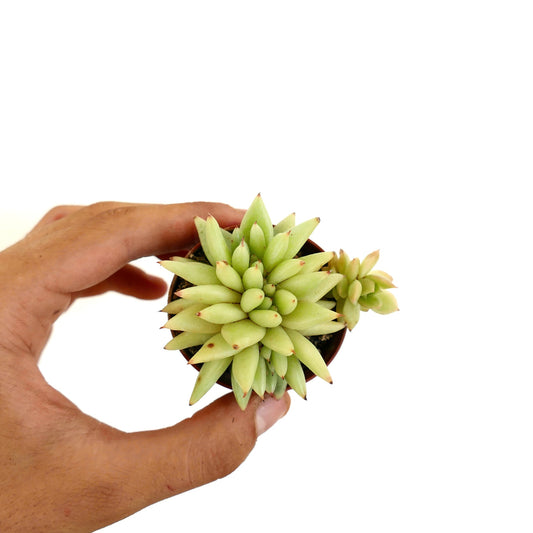
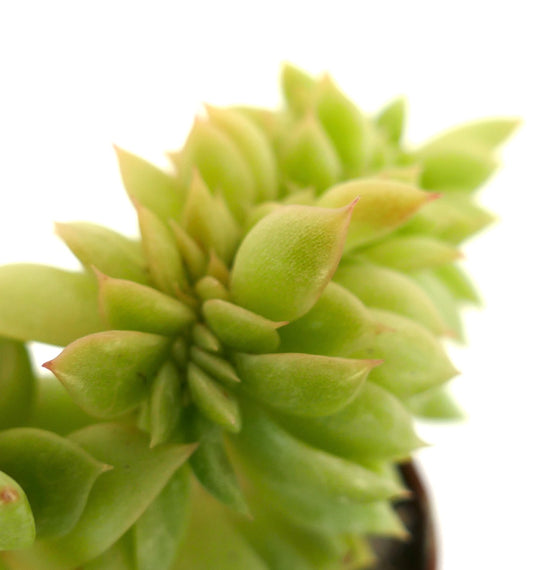
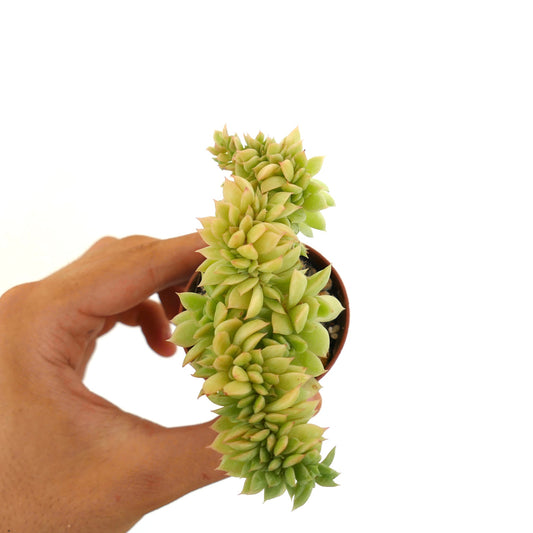
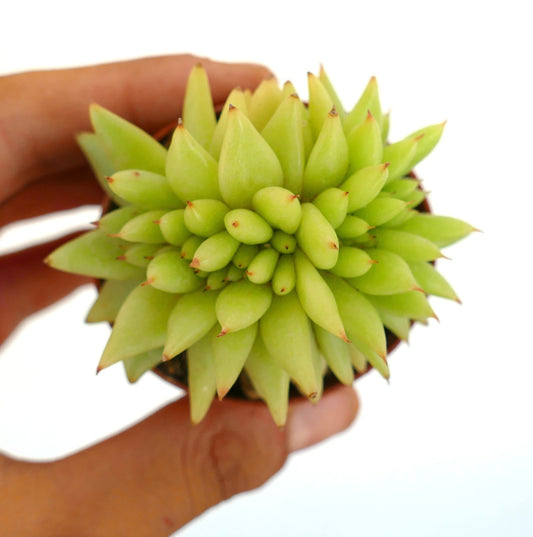
The genus Echeveria includes numerous species and cultivars, each with unique morphological adaptations. For example, Echeveria agavoides is distinguished by its thick, pointed leaves resembling those of agave plants, which help reduce water loss. Meanwhile, Echeveria pulvinata features fuzzy, velvety leaves that protect it from intense sunlight and minimize transpiration. These adaptations enable different species to thrive in varying microhabitats, from rocky outcrops to shaded woodland edges.
Ecologically, Echeveria plants play a role in their native environments by providing nectar for pollinators and serving as ground cover that reduces soil erosion. Gardeners and botanists appreciate their versatility, as they enhance the aesthetic appeal of terrariums, rock gardens, and container arrangements while requiring minimal maintenance.
Overall, Echeveria represents a fascinating group of succulents that combine beauty, resilience, and ecological significance, making them a valuable addition to both natural and cultivated landscapes.


 Sold out
 Sold out