Cotoneaster: A Versatile Landscape Shrub
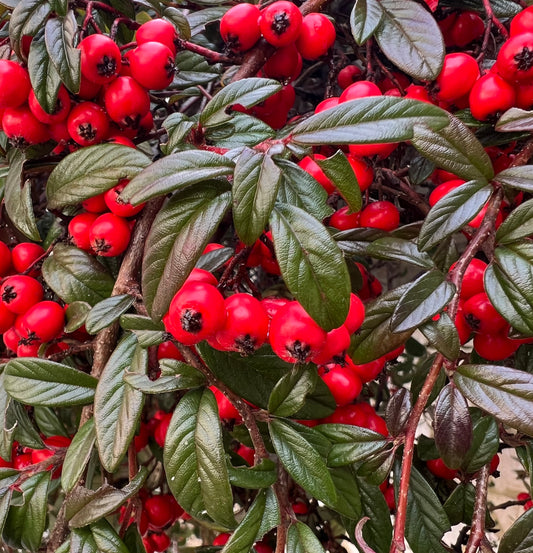
The Cotoneaster genus represents a diverse group of deciduous and evergreen shrubs and small trees, highly valued for their adaptability and ornamental appeal. These plants typically display glossy, simple leaves and produce bright, colorful berries that attract a wide range of bird species, thus playing an important role in local ecosystems. Native mainly to temperate regions across the Northern Hemisphere, including parts of Europe, Asia, and North Africa, cotoneaster species exhibit remarkable ecological plasticity. They grow in various habitats such as rocky slopes, forest margins, grasslands, and even urban environments, demonstrating their ability to thrive under diverse climatic and soil conditions.
Cotoneaster Plant: Features and Benefits
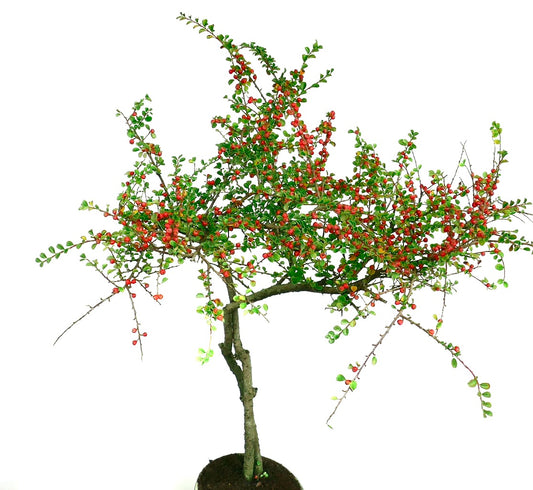
The cotoneaster plant shows several key morphological adaptations that facilitate survival in different environments. Its dense branching habit combined with small, leathery leaves reduces water loss, enhancing drought tolerance. The genus includes many growth forms, ranging from low, ground-covering types like cotoneaster dammeri to upright shrubs such as the bearberry cotoneaster (Cotoneaster integerrimus). These structural variations provide not only aesthetic diversity but also valuable ecological niches. For example, the dense foliage offers shelter for small mammals and insects, while the berries serve as an important food source for birds during autumn and winter. Moreover, the flowers of cotoneaster attract various pollinators, including bees and butterflies, which supports pollination and biodiversity. The persistent berries and seasonal changes in leaf coloration add year-round interest to natural and cultivated landscapes.
Care Tips for Cotoneaster Shrubs
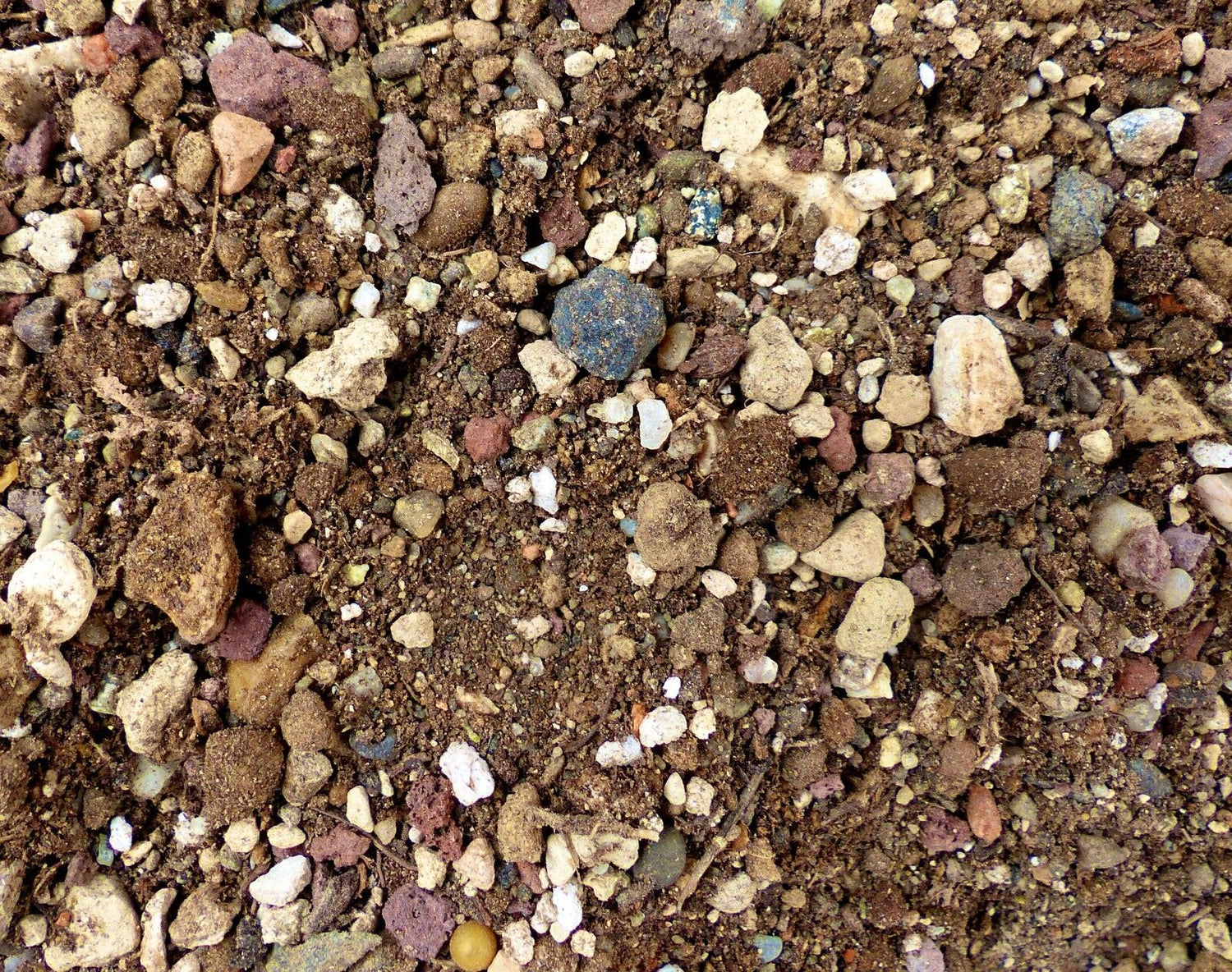
To cultivate cotoneaster successfully, plant these shrubs in well-drained soils with exposure to full or partial sunlight. Their deep root systems and leaf adaptations enable them to tolerate drought once established. Pruning is generally minimal and mainly focuses on maintaining shape or removing dead or diseased wood, which preserves the plant's natural growth habit. Gardeners often use cotoneaster species in hedges, borders, or rock gardens where their extensive root networks help stabilize soil and reduce erosion. Due to their resilience, these shrubs adapt well to urban environments and a range of climatic zones.
Common care considerations include:
- Providing adequate spacing to ensure good air circulation, which helps prevent fungal diseases
- Regularly monitoring for pests such as scale insects and applying appropriate treatments promptly
- Applying mulch around the base to conserve soil moisture and regulate temperature
- Using organic fertilizers during the growing season to promote healthy foliage and berry development
Exploring Cotoneaster Varieties
The cotoneaster genus encompasses numerous species, each with unique forms and ecological roles. For example, cotoneaster horizontalis is notable for its distinctive, fan-shaped branching pattern that creates intricate, lattice-like designs, while cotoneaster apiculatus forms dense mats ideal for ground cover, effectively preventing soil erosion. These varieties differ in growth habit, berry color, and leaf morphology, allowing for targeted selection based on landscaping or ecological restoration goals. Their flowers provide nectar for pollinators such as bees and butterflies, enhancing local biodiversity. Seasonal transformations in leaf color, from green to shades of red or orange, combined with persistent berries, offer multi-seasonal visual appeal in cultivated settings.
Overall, cotoneaster shrubs combine aesthetic qualities with important ecological functions. They contribute to sustainable landscaping, support wildlife habitats, and assist in soil stabilization, making them valuable components in both natural and managed ecosystems.