Collection: Coryphantha
Coryphantha: Unique and Resilient Cacti
The Coryphantha genus includes a diverse group of small, spherical cacti distinguished by their tubercles—rounded, wart-like projections—and their vibrant, often colorful flowers. These cacti primarily inhabit arid and semi-arid regions across the southwestern United States and northern Mexico. They have adapted well to harsh environments with extreme temperatures and limited water availability, which makes them highly resilient plants.
Coryphantha Vivipara: A Standout Species
Coryphantha vivipara is notable for its adaptability and colorful blooms that range from pink to yellow. This species commonly grows in rocky or sandy soils, thriving in well-draining substrates that prevent root rot. Its ability to survive drought conditions with minimal watering requirements makes it a favored species for both indoor cultivation and outdoor xeriscapes. Ecologically, it plays a role in supporting pollinators such as bees and hummingbirds, which are attracted to its flowers.
Exploring Coryphantha Elephantidens
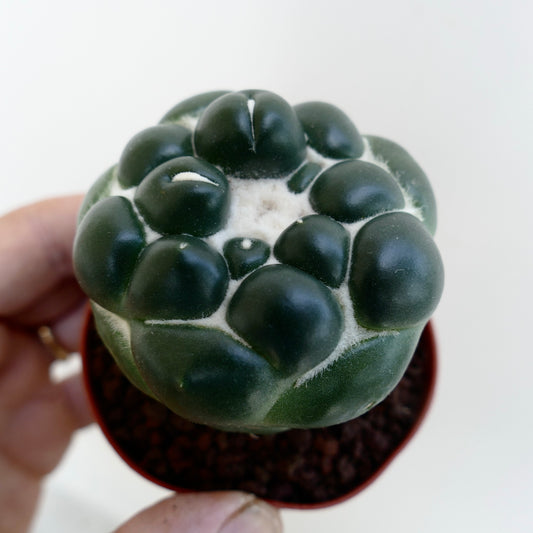
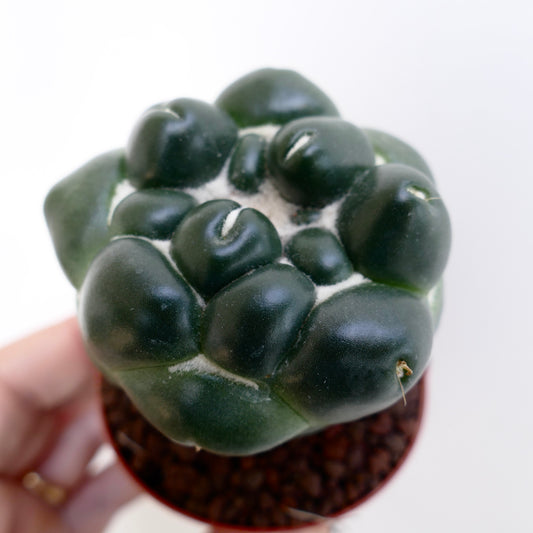
The Coryphantha elephantidens species stands out due to its robust size and distinctive symmetrical arrangement of tubercles, which often resemble small elephants' feet, hence the name. This cactus adapts well to dry, rocky habitats and can withstand significant temperature fluctuations. Its substantial, fleshy tubercles help store water efficiently, while its sharp spines protect it from herbivores. It also contributes to desert ecosystems by providing shelter for small insects and animals.
Caring for Coryphantha Cacti
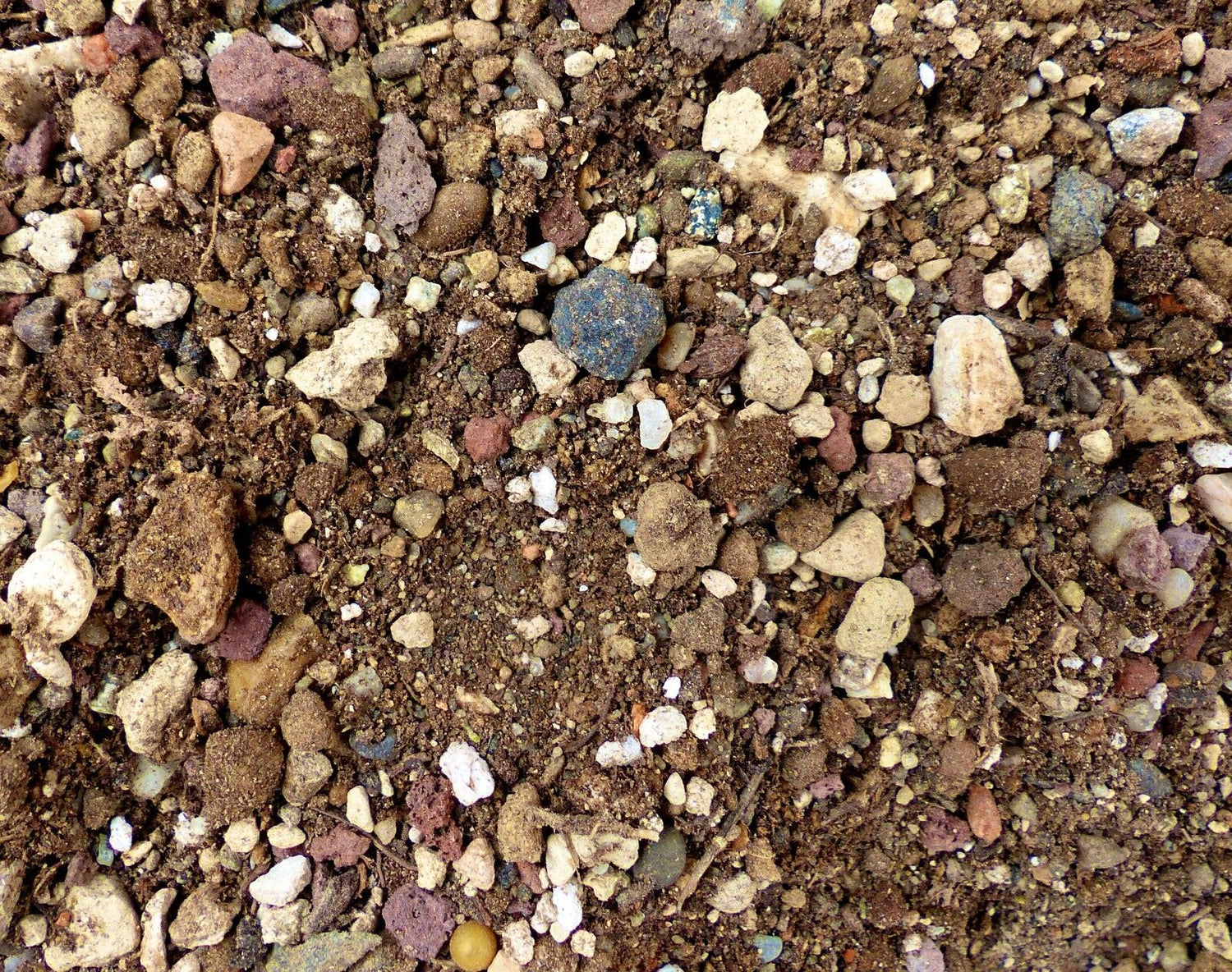
To care for Coryphantha cacti, it is essential to mimic their natural desert conditions. They require abundant sunlight and sandy, well-draining soil to prevent waterlogging. Watering should be infrequent but thorough, allowing the soil to dry completely between sessions. Species such as Coryphantha macromeris and Coryphantha elephantidens inermis are particularly suited for xeriscaping due to their drought tolerance and striking appearance. These plants contribute to sustainable landscaping by reducing water usage and supporting local biodiversity.
In addition to their aesthetic appeal, Coryphantha species play important ecological roles. They interact with native pollinators, contribute to soil stabilization in arid environments, and offer microhabitats for various desert organisms. Their morphological adaptations, including tubercles and spines, demonstrate evolutionary responses to extreme conditions, making them fascinating subjects for botanical study.
Below are key features that characterize Coryphantha cacti and their ecological significance:
- Adaptation to arid and semi-arid habitats with efficient water storage in tubercles.
- Bright, colorful flowers that attract diverse pollinators, supporting desert ecosystems.
- Spines that provide protection against herbivores and reduce water loss.
- Ability to thrive in well-draining, sandy soils with minimal water.
- Contribution to xeriscaping and sustainable gardening practices due to drought tolerance.