Cornus: The Perfect Addition to Your Garden
Cornus, commonly known as dogwood, encompasses a diverse genus of deciduous trees and shrubs appreciated for their ornamental value. These plants display vibrant flowers and attractive foliage, enhancing the aesthetic appeal of gardens and natural landscapes. Their adaptability allows them to thrive in various environments, making them a popular choice among horticulturists and nature enthusiasts.
Discover Florida Cornus Varieties
The Florida Cornus species thrive in the warm, humid climates of the southeastern United States. These plants are notable for their striking blossoms that emerge in spring, often in shades of white or pink, adding vibrant color to gardens. They adapt well to diverse soil types, from well-drained sandy soils to more clayey substrates, and tolerate partial shade, which makes them suitable for many garden designs. Additionally, Florida Cornus plays an ecological role by providing nectar for pollinators and fruit for bird species, thus supporting local biodiversity.
Cornus Amomum for Unique Appeal
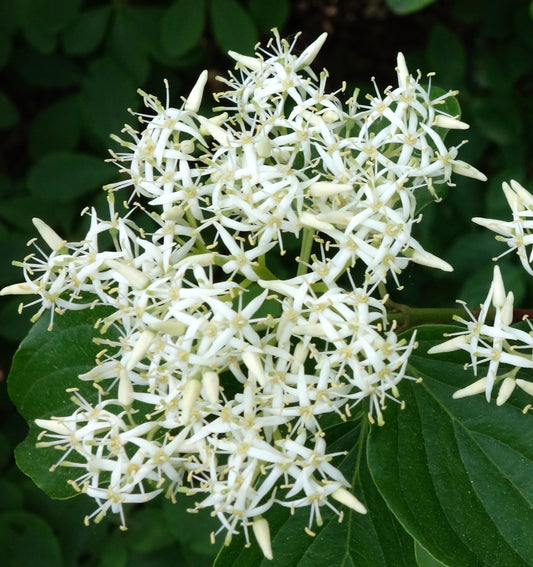
Cornus Amomum, commonly called silky dogwood, is distinguished by its bluish fruit clusters and colorful stems that range from green to reddish hues. This species prefers wetland habitats such as stream banks and marshes, where it contributes to soil stabilization and water filtration. Its dense growth offers shelter and food for various wildlife, including birds and small mammals. Gardeners value Cornus Amomum for its ability to thrive in moist soils while adding unique textures and colors to wetland or rain gardens.
The Elegance of Cornus Alternifolia
Cornus Alternifolia, known as pagoda dogwood, features distinctive horizontal branching that creates layered, tiered crowns. Its delicate white flowers bloom in late spring, followed by clusters of white berries that attract birds. This species prefers shaded or partially shaded environments, often found in forest understories. Its natural form adds architectural interest and depth to shaded garden areas. Furthermore, Cornus Alternifolia demonstrates good resistance to pests and diseases, making it a low-maintenance option for gardeners.
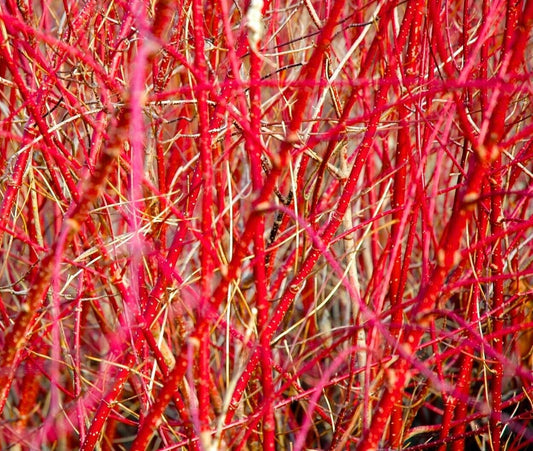
Enhance your botanical collection with other notable species such as Cornus Kousa, recognized for its ornamental bracts and edible fruit, and Cornus Mas, valued for its early yellow flowers and edible berries. Additionally, Cornus Stolonifera, or red osier dogwood, stands out for its striking red stems during winter and its role in erosion control. These species exhibit diverse adaptations and ecological functions, demonstrating the genus Cornus as a valuable component of temperate ecosystems.
In summary, Cornus species contribute significantly to garden aesthetics and ecological balance. Their varied morphological traits, habitat preferences, and relationships with fauna make them a fascinating subject for botanical study and practical cultivation.
- Provide seasonal interest with flowers, fruits, and foliage colors.
- Support pollinators and wildlife through nectar and fruit production.
- Adapt to a wide range of habitats, including wetlands and shaded forests.
- Offer soil stabilization benefits in riparian zones.
- Exhibit diverse growth forms suitable for various landscape designs.

 Sold out