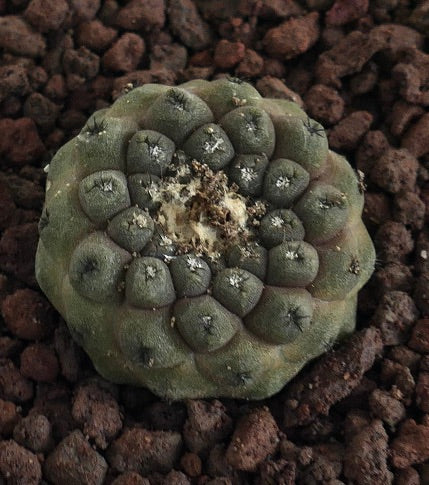
Copiapoa hypogaea

Copiapoa hypogaea is a compact cactus with matte skin and slow growth, native to Chile. Popular forms include cv lizard skin and barquitensis. It thrives in full sun with dry, gritty soil. Available at Botanical Archive as seeds or mature plants. A rare addition to any Copiapoa collection.

Collection: Copiapoa hypogaea

Copiapoa hypogaea: A Miniature Masterpiece from the Chilean Desert
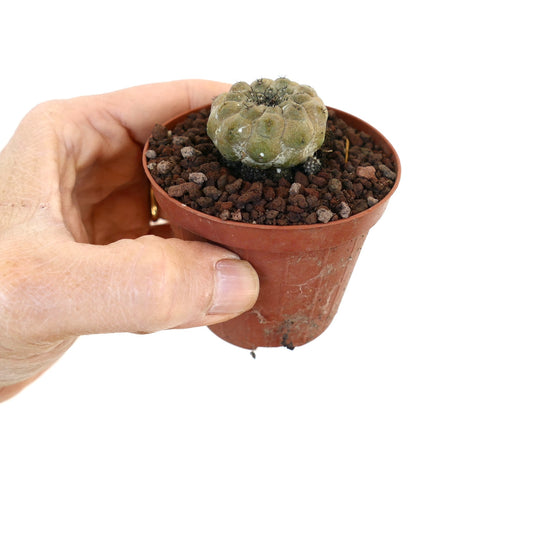
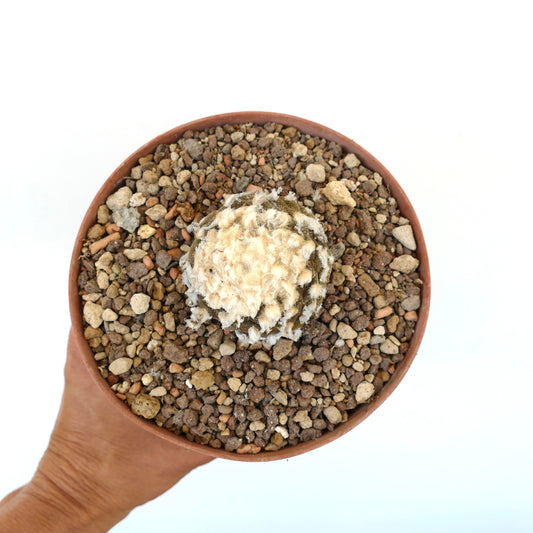
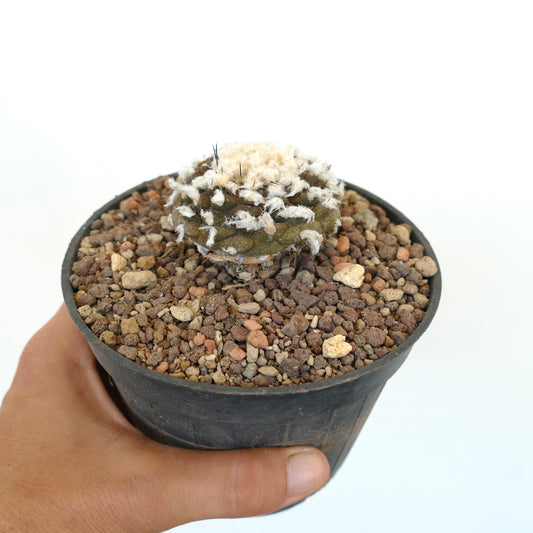
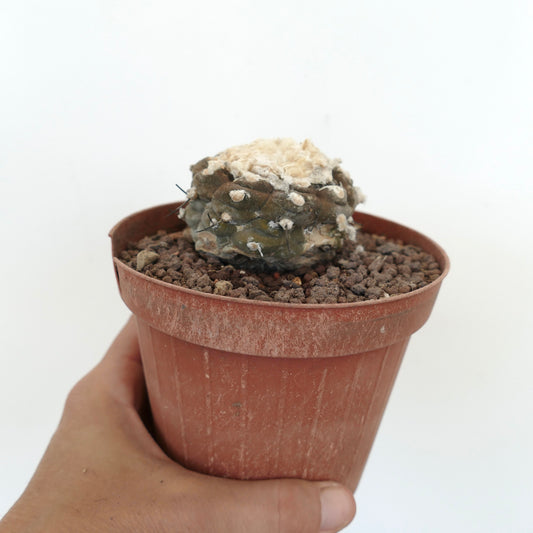
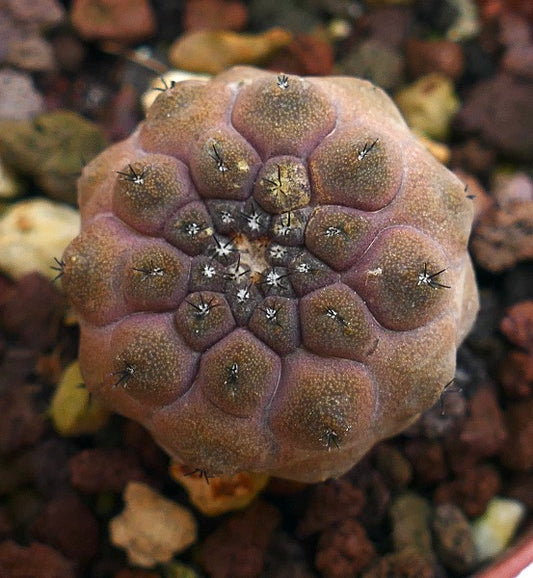
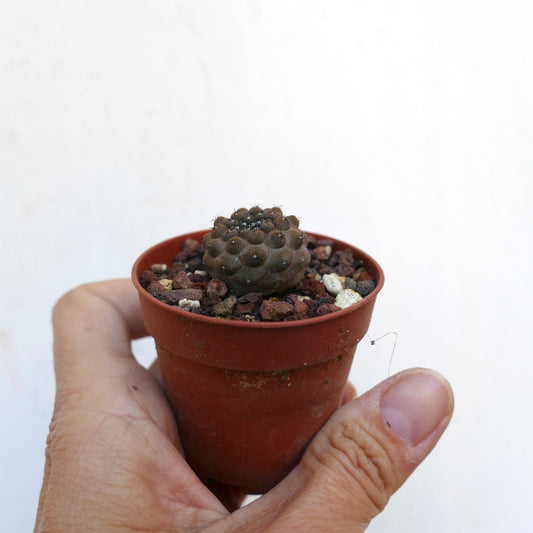
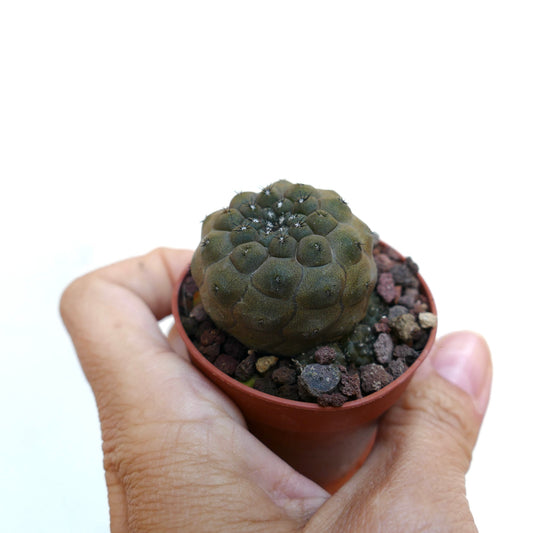
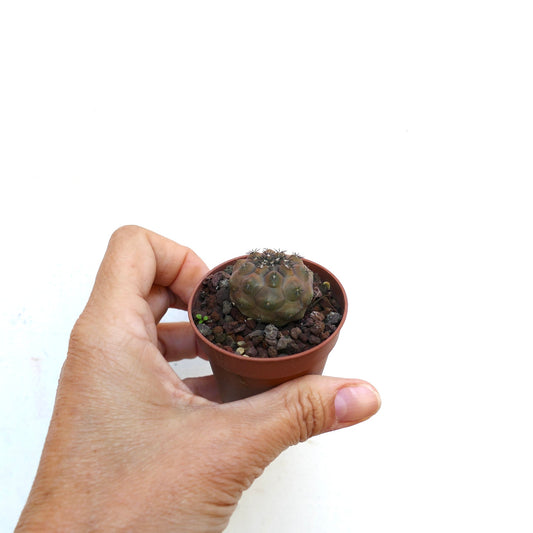
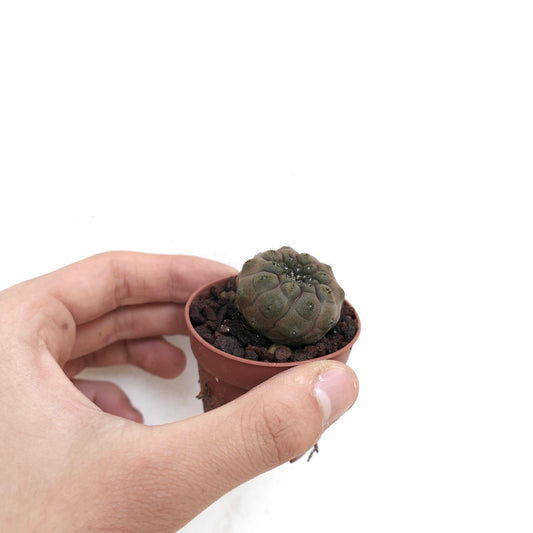
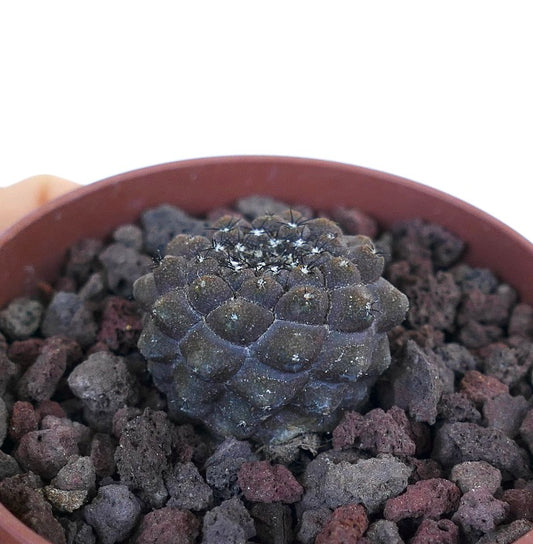
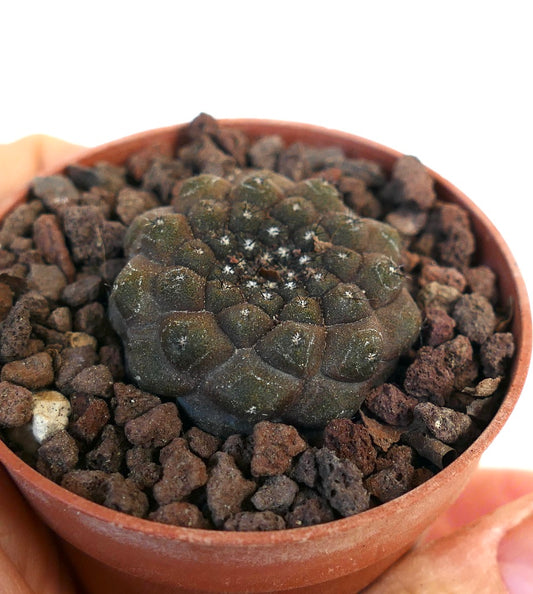
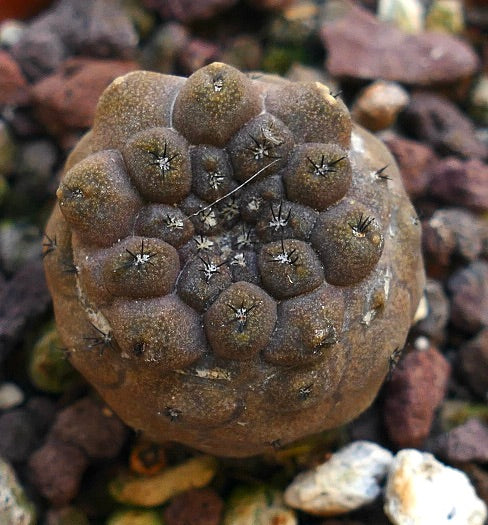
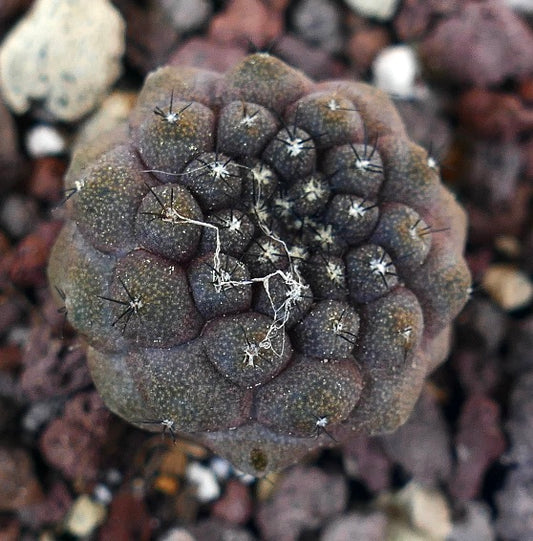
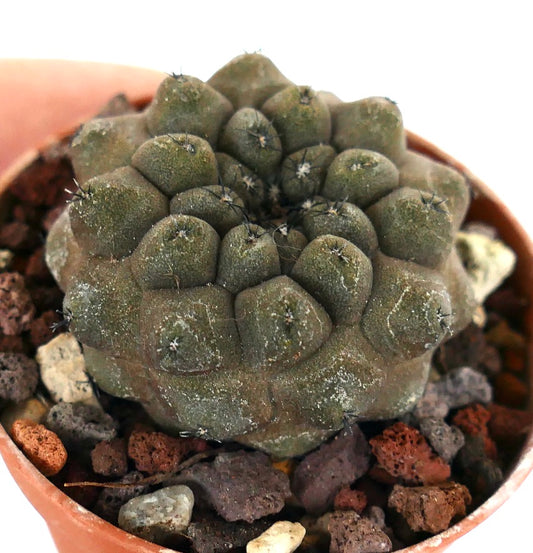
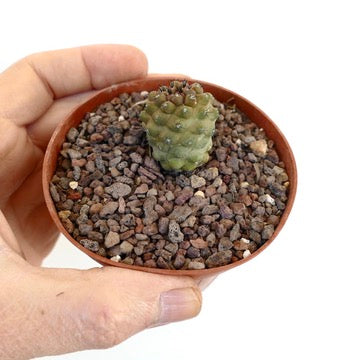
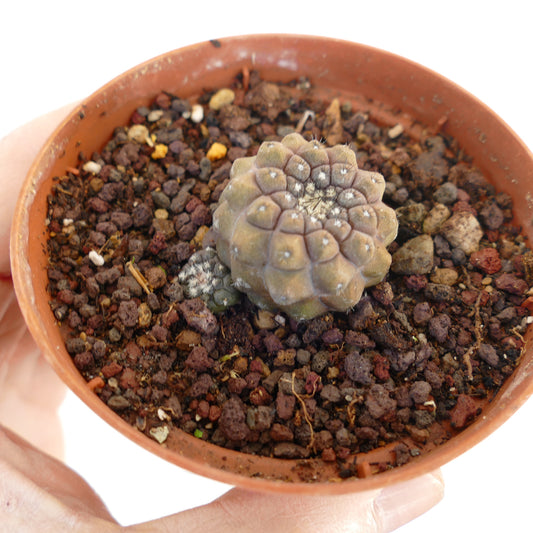
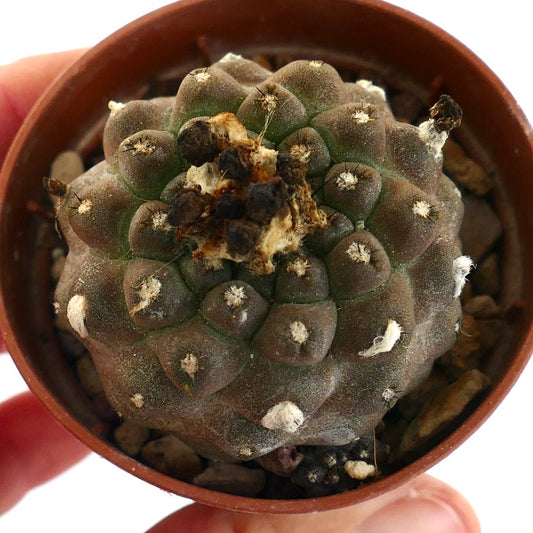
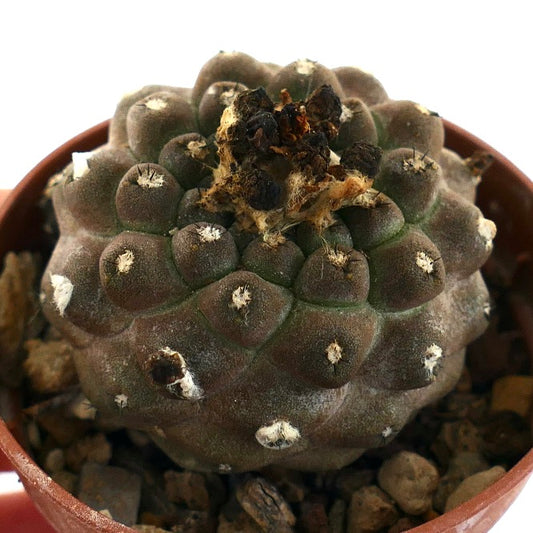
Copiapoa hypogaea is a small, slow-growing cactus native to the arid regions of northern Chile, particularly within the Atacama Desert. This species exhibits a unique flat, rounded body covered with matte, gray-green skin, an adaptation that helps reduce water loss in its harsh environment. Its compact, clustered growth form and distinctive textures make it a remarkable example of desert plant evolution and a prized specimen among cactus enthusiasts.

What Makes Copiapoa hypogaea So Unique

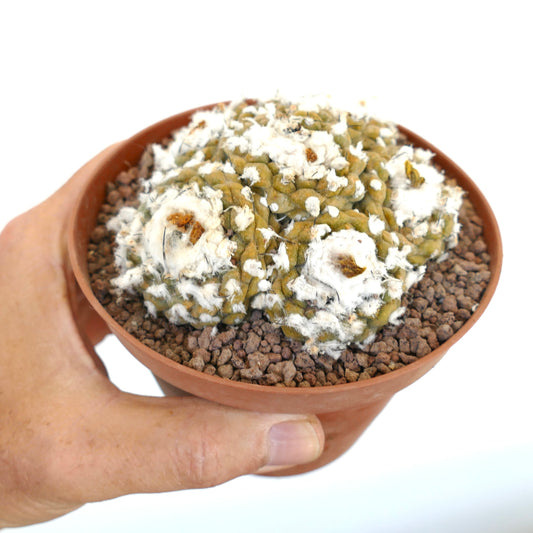
The Copiapoa hypogaea displays several morphological adaptations suited to its desert habitat. Its low, dense clusters minimize exposure to intense sunlight and reduce water evaporation. The matte texture and coloration of its skin reflect sunlight and provide camouflage among rocky substrates. Known cultivars such as Copiapoa hypogaea lizard skin, cv lizard skin, and barquitensis showcase variations in skin texture and patterning, highlighting the species' genetic diversity. These adaptations allow it to survive extreme drought and temperature fluctuations typical of its native environment.

Care Tips for Copiapoa hypogaea

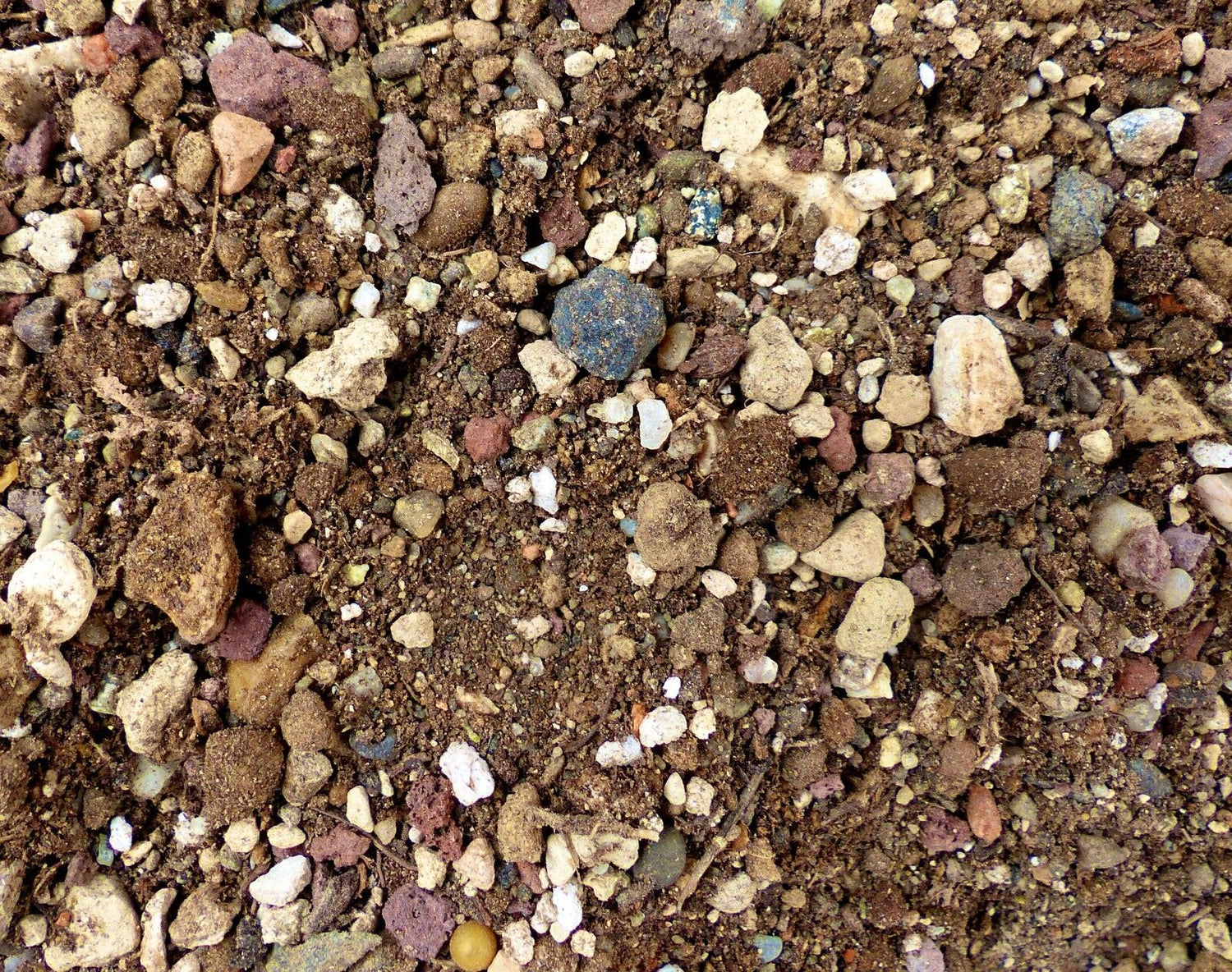
Proper Copiapoa hypogaea care requires mimicking its natural desert conditions. It thrives under full sun exposure and demands gritty, well-draining soil to prevent root rot. Minimal watering is essential; allowing the soil to dry completely between waterings replicates the plant’s adaptation to scarce rainfall. Additionally, using deep pots with good airflow supports healthy root development. Whether grown from Copiapoa hypogaea seeds or as mature plants, cultivation demands patience due to its extremely slow growth rate, a characteristic trait of many desert cacti.

These plants also benefit from seasonal changes, with a period of dormancy during cooler months and increased growth in warmer seasons. Avoiding excessive humidity helps prevent fungal infections and supports overall plant health.

Why Collect Copiapoa hypogaea

This species stands out for its sculptural elegance and rarity in cultivation. Its low profile and clustered form make it suitable for rock gardens, shallow bonsai containers, or alpine-style succulent arrangements. Varieties like Copiapoa hypogaea cv lizard skin are particularly sought after for their distinctive textured skin and natural aesthetic appeal. Ecologically, Copiapoa hypogaea plays a role in stabilizing soil and providing habitat for small desert fauna. Collectors value it not only for its beauty but also for its contribution to understanding desert plant ecology.

Common reasons to cultivate this species include:

  • Adaptations to extreme desert environments
  • Unique morphological features and textures
  • Ecological significance in native habitats
  • Slow growth offering a long-term botanical interest
  • Compatibility with specialized succulent collections

Shop Copiapoa hypogaea at Botanical Archive

At Botanical Archive, you can find Copiapoa hypogaea live plants, seeds, and rare cultivars such as barquitensis and lizard skin. These specimens come from expert growers who understand the species’ specific requirements. Whether expanding an established collection or beginning with your first copiapoa hypogaea cactus, the availability of verified, healthy plants supports successful cultivation. This ensures that enthusiasts can appreciate the species’ botanical significance and its specialized adaptations to one of the world’s driest deserts.