Casuarina: Australian Pine Information
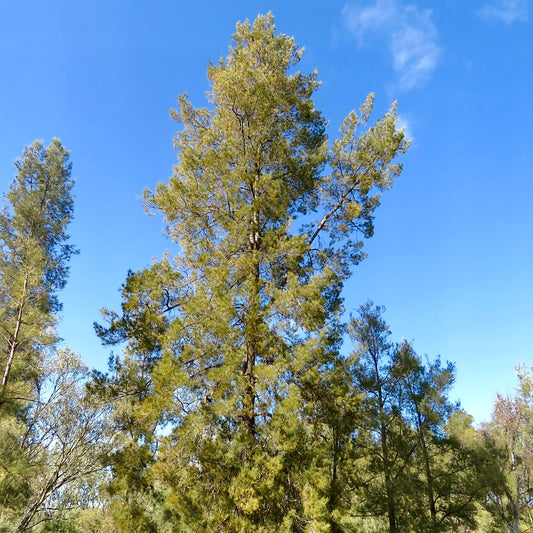
The Casuarina, often referred to as the Australian Pine, belongs to a genus of trees and shrubs native primarily to Australia, Southeast Asia, and the Pacific Islands. These species exhibit distinctive needle-like foliage that resembles pine needles, although they are unrelated to true pines. Casuarinas adapt well to tropical and subtropical climates, thriving in various environments including coastal areas, riverbanks, and sandy soils. Their ability to fix nitrogen through root nodules allows them to improve soil fertility, which benefits surrounding vegetation and supports ecological restoration projects.
Introduction to Casuarina
The Casuarina genus includes several species known for their slender, segmented branchlets that function like leaves, reducing water loss in hot, dry conditions. These morphological adaptations enable Casuarinas to survive in nutrient-poor and drought-prone habitats. Their bark is typically rough and fissured, providing resistance against fire and pests. Ecologically, Casuarinas serve as important pioneer species that stabilize soil and create habitats for various animals, including birds and insects. They also form symbiotic relationships with mycorrhizal fungi, enhancing nutrient uptake.
Growing and Caring for Casuarina Trees
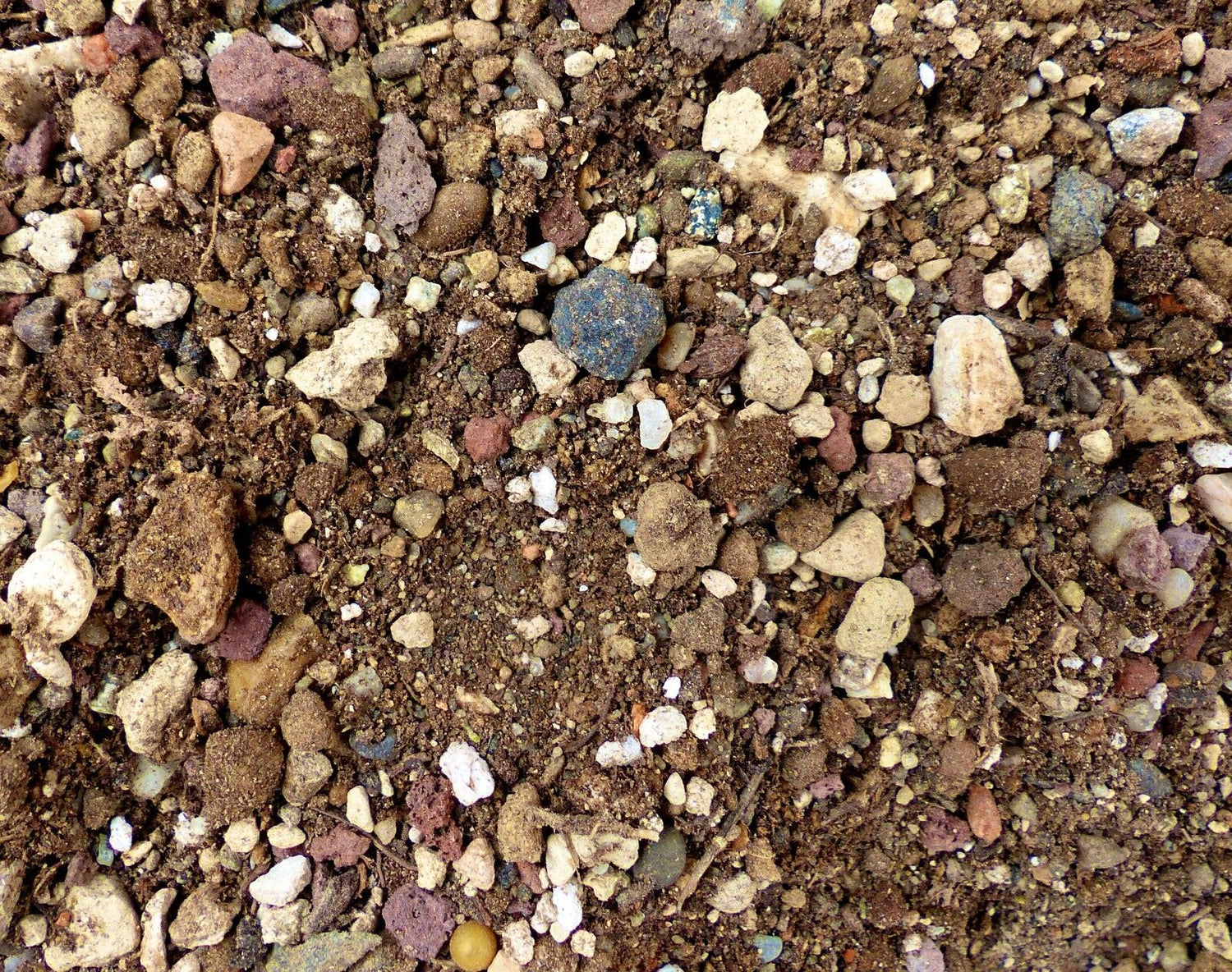
Casuarina trees prefer well-drained, sandy soils and thrive under full sunlight exposure, which promotes their rapid growth. They tolerate drought conditions due to their reduced leaf surface area and efficient water use. Though resilient, young trees benefit from occasional watering during prolonged dry spells. Pruning supports their natural shape and prevents excessive height, making them suitable for use as windbreaks or in erosion control on slopes and coastal dunes. Furthermore, these trees resist salt spray, making them ideal for seaside planting.
Common care practices include:
- Planting in open, sunny locations with good air circulation
- Ensuring soil drainage to prevent root rot
- Applying mulch to retain soil moisture and regulate temperature
- Monitoring for pests such as aphids or scale insects
- Regular pruning to maintain structure and encourage dense foliage
Benefits and Uses of Casuarina
The versatility of Casuarina trees extends beyond ornamental use. Their extensive root systems stabilize soil and reduce erosion, especially in coastal and riparian zones. Casuarinas act as natural windbreaks, protecting agricultural fields and settlements from strong winds. Their dense canopy offers shade and shelter for wildlife. Additionally, the wood is dense and burns efficiently, making it a preferred fuel source in some regions. It is also used for timber in construction and furniture. Ecologically, Casuarinas provide food and habitat for various birds and insects, contributing to biodiversity.
Why Choose Casuarina for Your Landscape?
With their rapid growth rate and hardiness, Casuarina species are valuable for both ecological restoration and landscaping purposes. Their ability to improve soil quality through nitrogen fixation and their tolerance to challenging environmental conditions make them suitable for rehabilitating degraded lands. Moreover, their aesthetic appeal, characterized by wispy, pine-like foliage and graceful form, enhances garden and park environments. Overall, Casuarinas represent a resilient, multifunctional genus that supports environmental stability and biodiversity.

 Sold out