Castanea: Chestnut Tree and Information
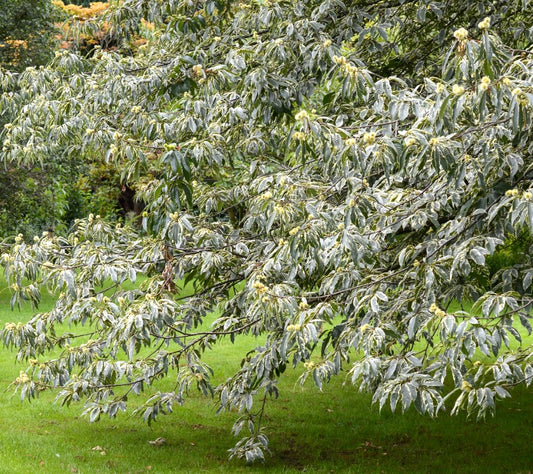
The Castanea genus, commonly known as the Chestnut tree, includes species that hold significant ecological, economic, and cultural value. These trees produce edible nuts and durable wood, contributing to both natural ecosystems and human use. Among the most well-known species are Castanea sativa, native to Europe, and Castanea dentata, the American chestnut, historically widespread across eastern North America before disease outbreaks. They are recognized for their distinctive serrated leaves and large, spiny burs that encase the nuts.
Introduction to Castanea (Chestnut)
Castanea trees belong to the Fagaceae family and thrive in temperate climates. Their distribution ranges from Europe and Asia to North America, where they inhabit mixed hardwood forests. These trees have adapted to well-drained, slightly acidic soils and prefer full sunlight to develop their broad canopies. Morphologically, chestnuts feature simple, alternate leaves and monoecious flowers, which support diverse pollinators. They play a vital ecological role by providing food and habitat for numerous animal species, including squirrels and birds, which aid in seed dispersal.
Growing and Caring for Chestnut Trees
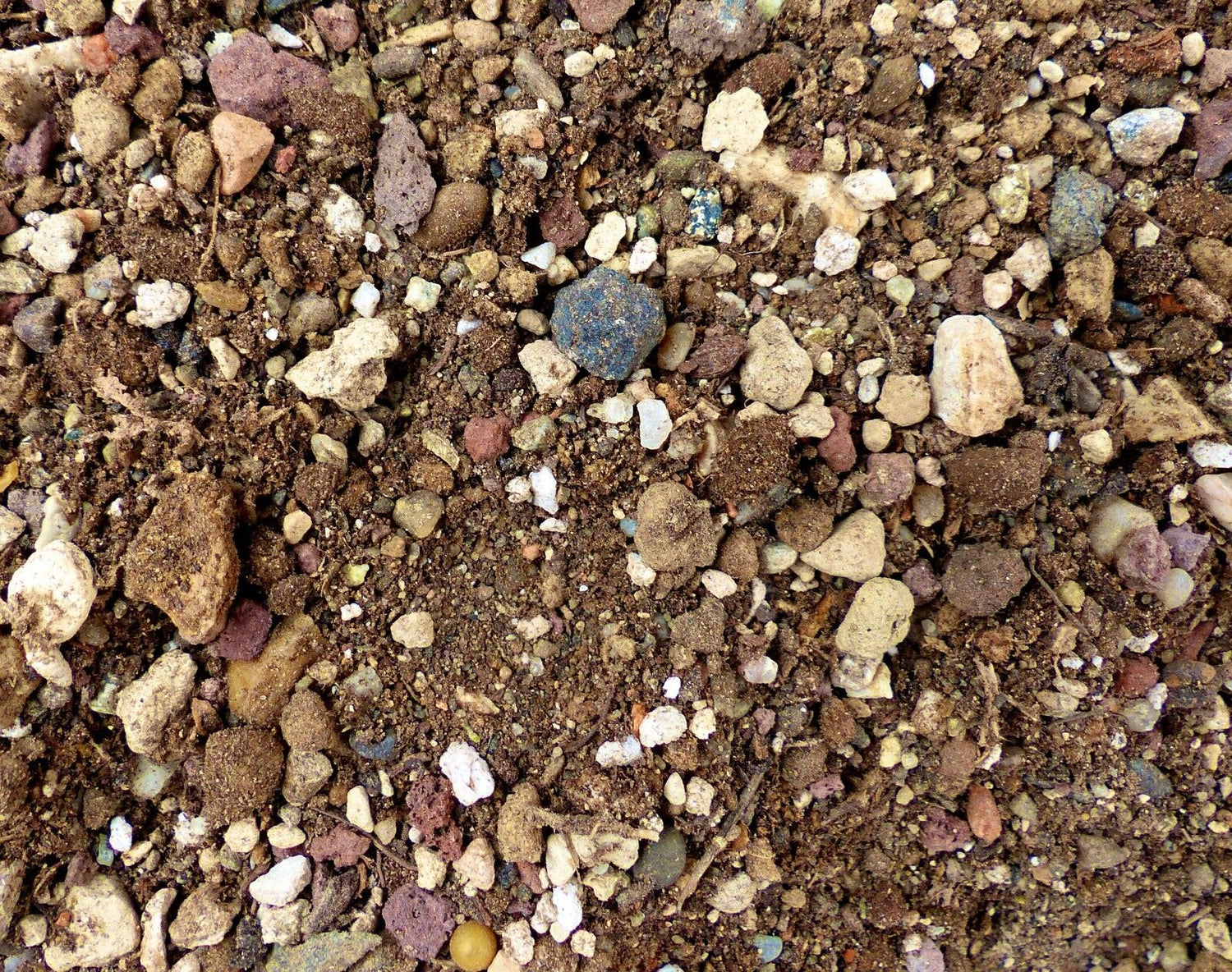
Successful cultivation of chestnut trees requires attention to soil quality, moisture, and pest control. They perform best in sandy loam soils with good drainage and a pH between 5.5 and 6.5. Furthermore, regular pruning encourages healthy growth and improves air circulation, reducing fungal infections. Common pests include the chestnut weevil and blight fungus, which can severely impact tree health. Notably, Castanea dentata demonstrates resilience and adaptability, making it a favored species for reforestation and nut production. Gardeners and orchard managers should consider these factors to maximize yield and tree longevity.
Typical cultivation practices include:
- Planting in locations with full sun exposure
- Ensuring soil is well-drained and slightly acidic
- Implementing regular pruning to maintain canopy health
- Monitoring and managing pests and diseases
- Providing adequate irrigation during dry periods
Benefits and Uses of Chestnuts
The chestnut is valued both as a food source and for its timber. Its nuts are rich in carbohydrates, vitamins, and minerals, making them a nutritious component of traditional diets in many cultures. Culinary uses vary widely, including roasting, baking, and incorporation into flours. Meanwhile, the wood of the Chestnut tree is durable, resistant to decay, and lightweight, which makes it suitable for furniture, fencing, and construction purposes. Ecologically, chestnut trees contribute to soil stabilization and support biodiversity by offering shelter and sustenance to wildlife.
Why Choose Castanea for Your Garden or Orchard?
Choosing the Chestnut tree for cultivation offers multiple advantages. Its broad canopy provides shade, improving microclimates within gardens or orchards. The tree’s nut production supports local wildlife and can supplement food resources. Moreover, chestnuts contribute to sustainable forestry practices due to their rapid growth and adaptability. The species also plays a role in agroforestry systems, enhancing soil quality and promoting ecological balance. Overall, Castanea species are practical and attractive choices for both ornamental and productive landscapes.