Cassia: Vibrant Flowering Plants
The Cassia genus encompasses a wide variety of flowering plants known for their bright, vibrant blossoms and important ecological roles. These plants belong to the Fabaceae family, which is characterized by its ability to fix nitrogen, enhancing soil fertility. Cassia species thrive mainly in tropical and subtropical regions worldwide, adapting to diverse habitats ranging from dry forests to riverbanks. Well-known species such as Cassia alata and fistula not only add ornamental value but also display remarkable adaptability to environmental stresses. This adaptability makes them important in both natural ecosystems and cultivated gardens.
Stunning Cassia Varieties
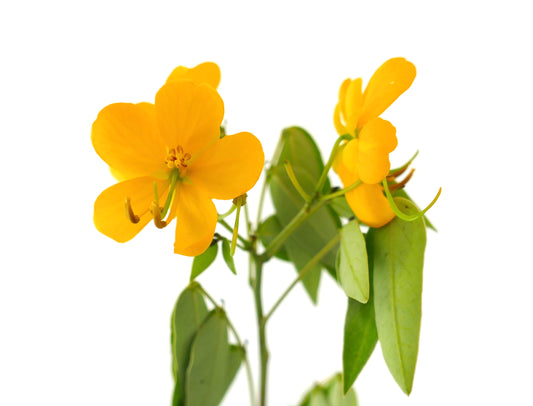
The Cassia fistula, commonly called the golden shower tree, produces dramatic cascades of bright yellow flowers that enhance urban and rural landscapes alike. In contrast, Cassia alata, also known as the candle bush, features tall, upright inflorescences with bold yellow blooms that attract numerous pollinators. Another striking species, Cassia javanica, displays delicate pink flowers that soften landscapes and provide nectar for bees and butterflies. Furthermore, the Cassia popcorn plant (Cassia didymobotrya) is unique for its popcorn-like fragrance, which draws various insects and contributes to pollination. These species illustrate the genus's wide morphological diversity, from flower color to scent, and their ecological interactions with pollinators and herbivores.
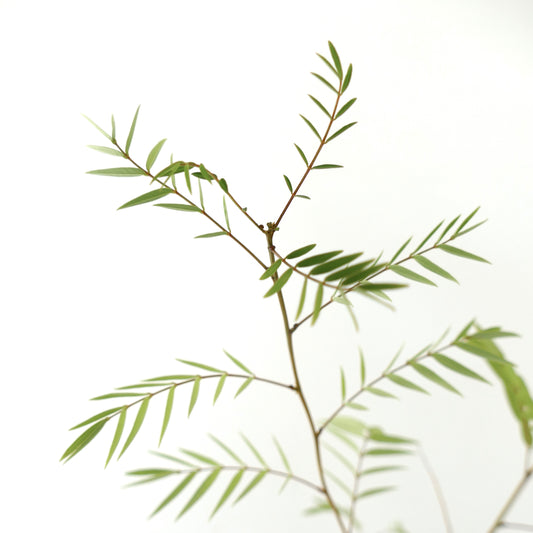
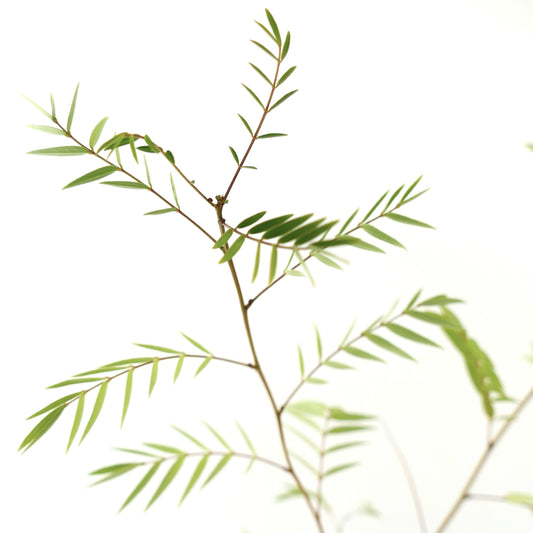
These Cassia species also exhibit adaptations such as compound leaves that reduce water loss and deep root systems that allow survival in dry soils. Their flowering periods often coincide with the activity of specific pollinators, which ensures effective reproduction. Additionally, many Cassia plants serve as host species for butterfly larvae, supporting local biodiversity.
Care and Cultivation
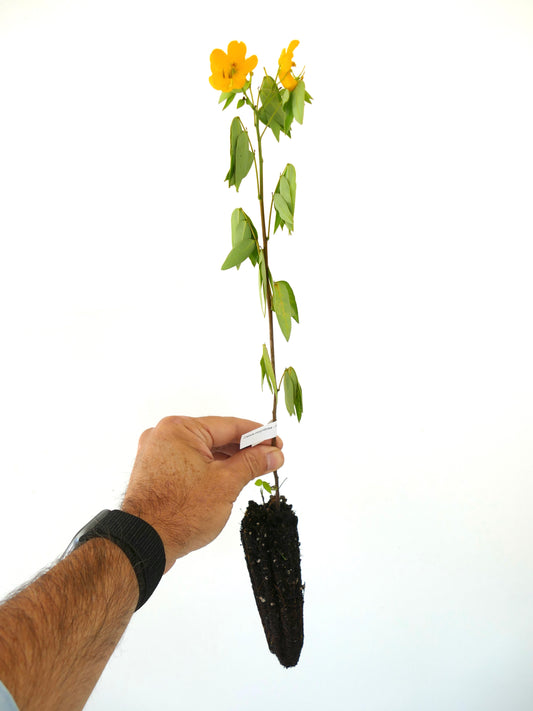
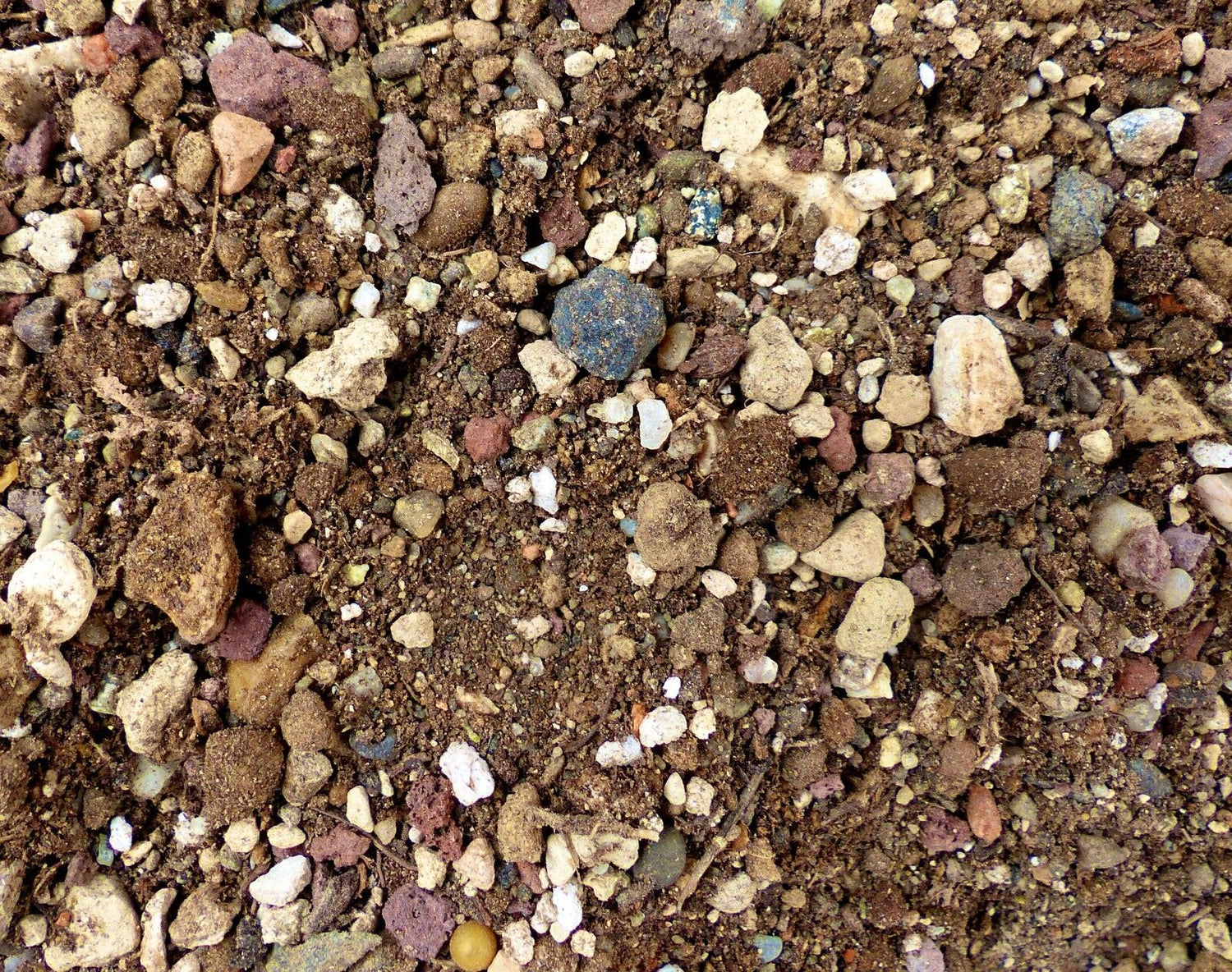
Cassia plants grow best in well-drained soils under full sun, conditions that encourage their vigorous flowering and healthy development. Once established, they tolerate drought well, reflecting their natural adaptation to arid and semi-arid environments. Regular pruning after flowering promotes bushier growth and maintains an attractive shape. Whether growing Cassia corymbosa or Cassia auriculata, gardeners benefit from their resilience and low maintenance requirements. These plants also tolerate a range of soil types, from sandy to loamy, and withstand heat, making them suitable for diverse horticultural settings.
In cultivation, consider these key points:
- Choose sunny locations with well-drained soil to prevent root rot.
- Water moderately, ensuring the soil dries out between watering sessions.
- Prune after flowering to encourage dense, healthy foliage.
- Monitor for common pests like aphids and caterpillars, which can affect growth.
- Apply mulch to conserve soil moisture and regulate temperature fluctuations.
Ecological and Ornamental Uses
Several Cassia species, such as Cassia tora and Cassia siamea, hold medicinal value and have been used traditionally to treat various ailments. Ecologically, species like the Cassia candlestick plant and Cassia butterfly host plant play vital roles by serving as larval hosts for butterflies and providing nectar sources for pollinators, which supports ecosystem health. Their nitrogen-fixing ability improves soil fertility, benefiting neighboring plants in natural and restored habitats. Moreover, their tolerance to warm climates makes them well-suited for subtropical regions like Florida, where they contribute to biodiversity and landscape aesthetics.
Overall, the Cassia genus represents a group of flowering plants that combine vivid coloration, ecological significance, and ease of care. These qualities make them important components of gardens, ecological restoration projects, and natural habitats worldwide, supporting both biodiversity and sustainable landscaping.

 Sold out