Carica Papaya: Care and Information
The Carica papaya, commonly called papaya, is a tropical fruit plant prized for its sweet orange flesh and numerous health benefits. It belongs to the family Caricaceae and is native to southern Mexico and Central America. The plant has spread widely across tropical and subtropical regions worldwide due to its adaptability and economic importance. Varieties such as the green papaya are used in culinary dishes and traditional medicine.
Introduction to Carica Papaya
Carica papaya typically grows as a fast-growing, small tree or large herbaceous plant reaching heights of 5 to 10 meters. Its hollow stem supports large, lobed leaves arranged spirally at the top. The plant produces unisexual flowers, with male and female flowers often on separate plants, though some are hermaphroditic. The fruit is a large berry, varying in shape from oval to pear-shaped, and contains numerous black seeds embedded in a juicy pulp. Ecologically, papaya serves as a food source for various animals and plays a role in seed dispersal by birds and mammals.
Growing and Caring for Papaya Trees
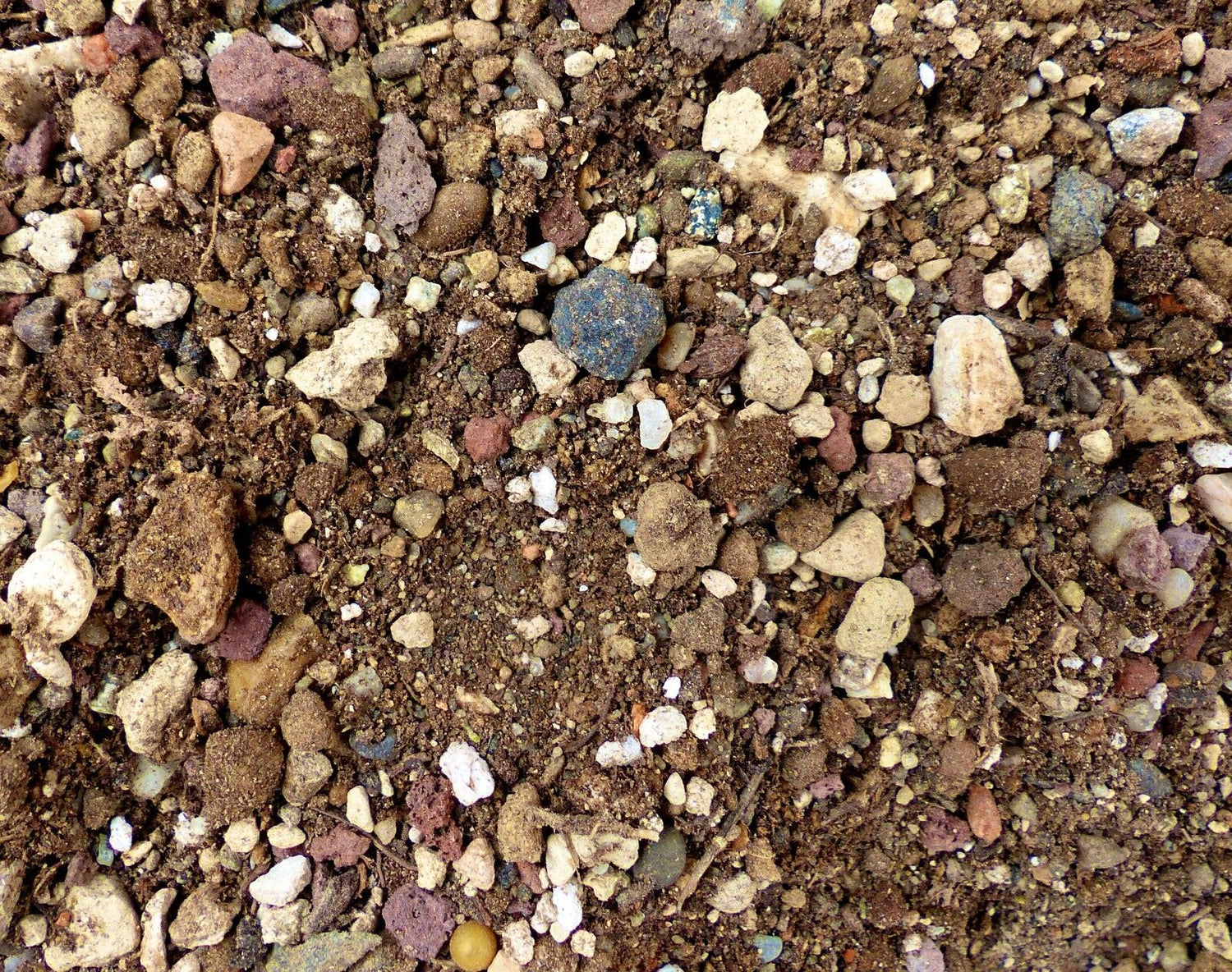
Successful cultivation of Carica papaya requires a consistently warm climate, ideally between 21 and 33°C, without exposure to frost. The plant thrives in full sunlight and prefers well-draining, fertile soils rich in organic matter. Regular watering supports rapid growth, but waterlogging must be avoided to prevent root diseases. Fertilization with balanced nutrients enhances flowering and fruit production. Additionally, papaya plants exhibit adaptations such as large leaves for efficient photosynthesis and shallow root systems that absorb moisture quickly. They are sensitive to strong winds and benefit from shelter or windbreaks in exposed areas.
In tropical and subtropical ecosystems, papaya can be found growing naturally or cultivated in orchards and home gardens. It often associates with other tropical crops and serves as a pioneer species in disturbed habitats due to its fast growth.
Benefits and Uses of Papaya
Besides its culinary appeal, papaya contains enzymes like papain that aid digestion by breaking down proteins. The fruit is rich in vitamins A, C, and E, antioxidants that protect cells from damage, and dietary fiber that promotes gut health. Traditional medicine uses various parts of the plant, including leaves and seeds, for their anti-inflammatory and antimicrobial properties. The seeds exhibit detoxifying effects and have been studied for potential antiparasitic activity. Papaya also supports skin health by promoting collagen production and wound healing.
Moreover, papaya has ecological importance as it attracts pollinators such as bees and butterflies, contributing to biodiversity. Its fruits provide nourishment to wildlife, while its rapid growth helps stabilize soils in reforestation projects.
Typical applications and characteristics of Carica papaya include:
- Fast growth and early fruiting, often within the first year.
- Requirement for frost-free environments and consistent warmth.
- Production of edible fruits with high nutritional value.
- Use of green papaya in salads and cooking before ripening.
- Medicinal properties derived from various plant parts.
Why Choose Carica Papaya?
The versatility of Carica papaya makes it valuable both as a fruit crop and as an ornamental plant in tropical gardens. Its ease of cultivation, rapid growth, and multiple uses—from food to medicine—have led to its widespread popularity. Gardeners and researchers appreciate papaya for its ecological role, including supporting pollinators and providing habitat. Additionally, its adaptability to different tropical environments allows it to thrive in diverse locations, contributing to local economies and food security.