Collection: Camellia
Camellia: Elegant and Timeless Blooms
The Camellia genus encompasses a diverse group of flowering shrubs and small trees known for their striking beauty and ornamental value. Native primarily to eastern and southern Asia, these plants flourish in temperate climates, where they contribute significantly to garden aesthetics. Species such as Camellia japonica and Camellia sasanqua are especially popular due to their vibrant flowers and glossy, evergreen leaves that add texture and color throughout the year.
Stunning Camellia Varieties
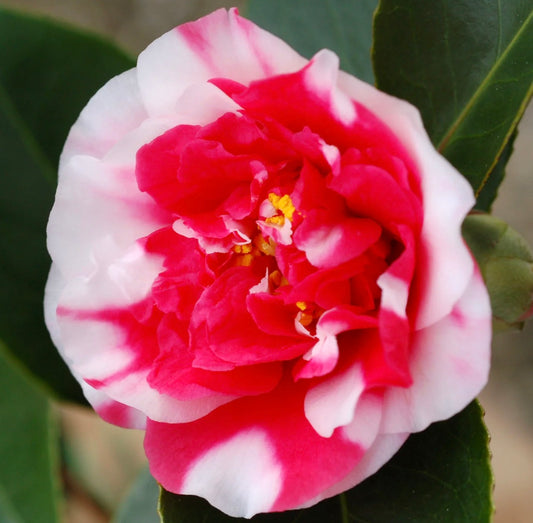
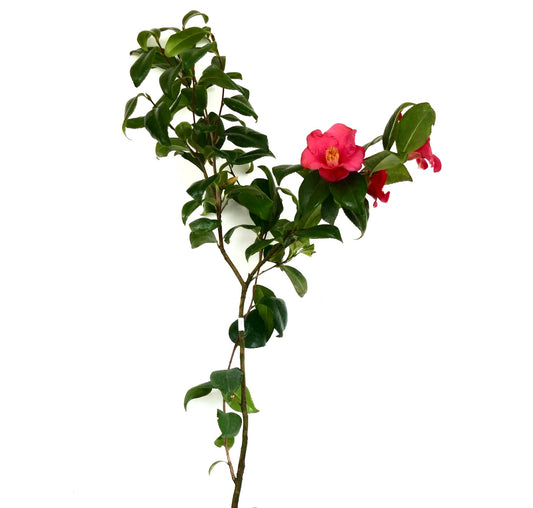
The genus includes over 200 species, each with unique botanical features. For instance, Camellia sinensis is notable not only for its delicate white flowers but also as the source of tea leaves, a plant of considerable economic and cultural importance. Ornamental species like Camellia japonica display blooms in diverse shades of red, pink, and white, exhibiting various petal forms from single to fully double flowers. Cultivars such as the rare Middlemist Red Camellia, one of the rarest flowers globally, and the festive Yuletide Camellia enhance garden appeal with their distinctive colors and blooming seasons.
Care and Cultivation
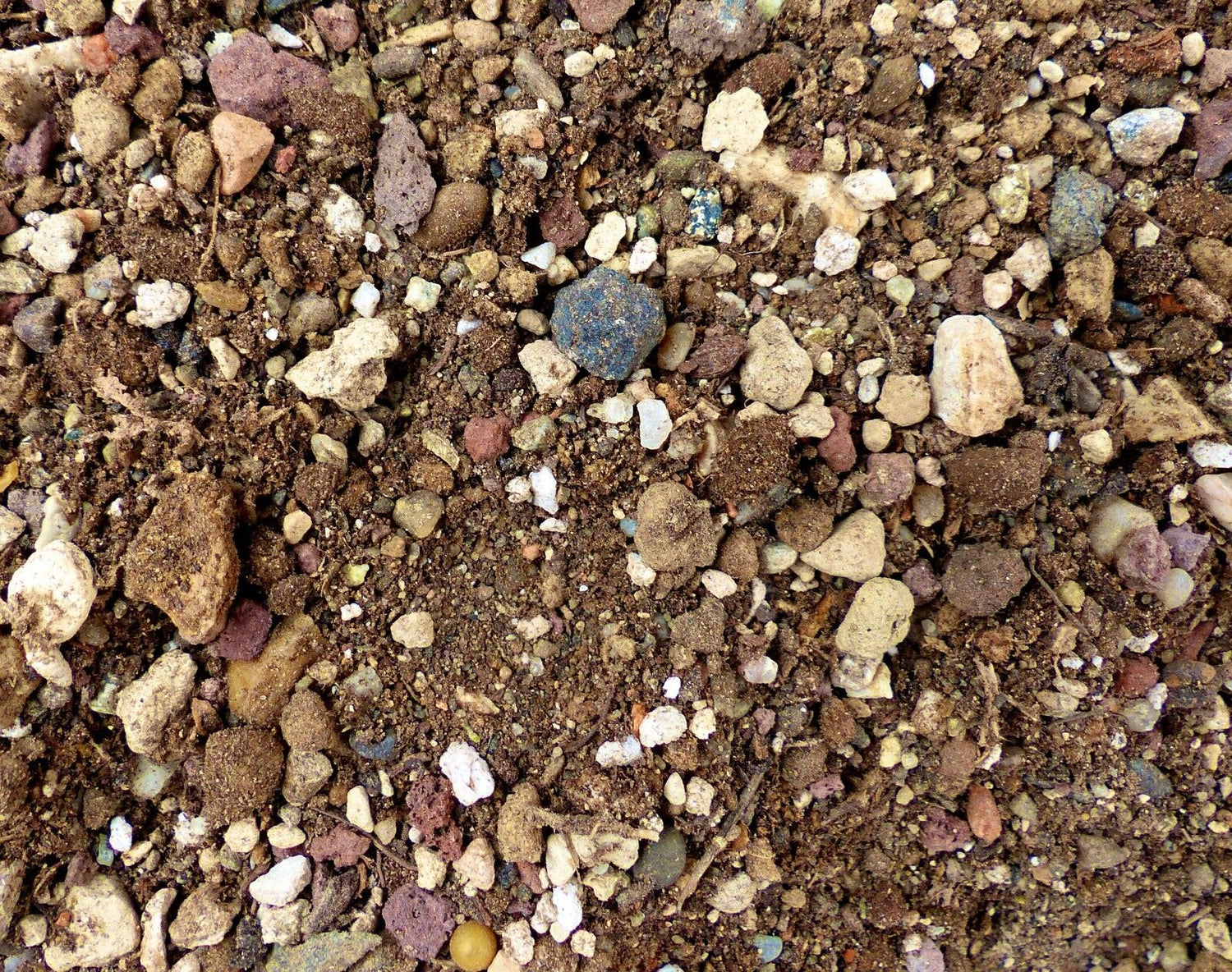
Successfully growing Camellias requires understanding their ecological preferences. They thrive best in well-drained, acidic soils rich in organic matter, often found in woodland or shaded garden environments. Partial shade protects them from harsh sunlight, which can damage leaves and inhibit flowering. Regular pruning after flowering helps maintain their natural shape and promotes vigorous growth. These shrubs adapt well as borders, hedges, or focal points in garden design. Additionally, Camellia oil, extracted from seeds of certain species, has applications in cosmetics and wellness, highlighting the genus's multifaceted value.
Benefits and Landscaping
Camellias play an important ecological role by providing nectar and shelter for various pollinators and small wildlife. Their evergreen foliage contributes to year-round garden structure, while their flowers offer seasonal bursts of color and fragrance. Gardeners appreciate them for their adaptability to different landscape settings, from formal gardens to naturalistic woodland borders.
- They tolerate a range of soil types if acidity is maintained.
- Camellias attract bees and butterflies, supporting local biodiversity.
- Their dense foliage provides habitat for birds.
- They resist many common pests and diseases with proper care.
- Seasonal blooms extend from autumn to spring, depending on species.
Overall, the genus combines aesthetic appeal with ecological benefits, making Camellias an enduring choice for diverse gardening needs and botanical interest.

 Sold out