Begonia: Versatile Ornamental Plants
The Begonia genus includes over 1,800 species, renowned for their vibrant foliage and delicate flowers. These plants display remarkable diversity in leaf shape, color, and texture, making them popular choices for both indoor and outdoor gardens. Well-known varieties like the rex begonia and angel wing begonia provide year-round visual interest with their striking patterns and colors. Begonias typically thrive in shaded or semi-shaded environments, adapting well to various climatic conditions, which contributes to their widespread cultivation.
Types of Begonias
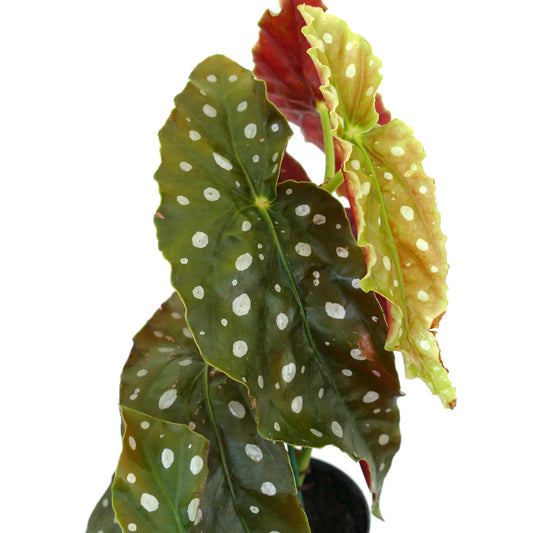
Begonias exhibit a wide range of forms and growth habits. For example, the polka dot begonia features spotted leaves that attract attention in any setting, while the wax begonia is valued for its tolerance to heat and humidity, making it suitable for outdoor beds. The dragon wing begonia is distinguished by its cascading branches and abundant flowers, ideal for hanging baskets. Meanwhile, the tuberous begonia produces large, showy blooms and flourishes in shaded garden areas. These species display adaptations such as succulent stems or thickened roots, allowing them to store water and survive in diverse habitats.
These begonias occupy various ecological niches, often growing in tropical and subtropical forests where they contribute to understorey biodiversity. Their flowers attract pollinators like bees and hummingbirds, supporting local ecosystems. The genus also includes species that have developed specialized relationships with fungi and insects, enhancing their survival and reproduction.
Care and Cultivation
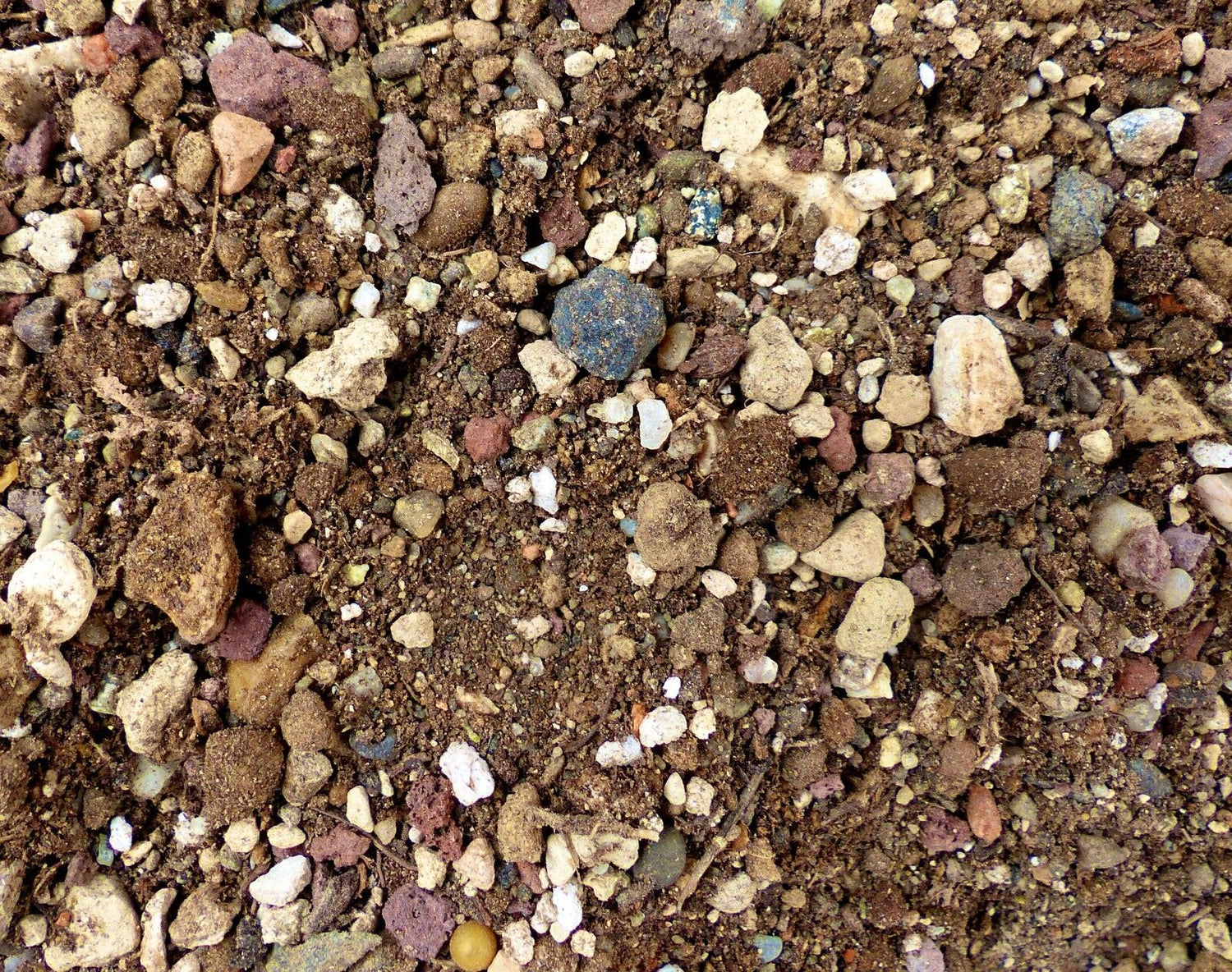
Successfully growing begonias requires attention to their specific environmental needs. Most species prefer well-drained, slightly acidic soil rich in organic matter. Providing bright, indirect light helps maintain vibrant leaf coloration and encourages flowering. Overwatering can cause root rot, so allowing the soil surface to dry between watering is essential. For instance, begonia maculata thrives with moderate moisture and filtered light, while rex begonia species benefit from high humidity and cooler temperatures. Regular fertilization during the growing season supports healthy growth and bloom production.
Begonias also respond well to propagation techniques such as leaf cuttings, division, and seed sowing. Proper air circulation reduces the risk of fungal diseases. Their adaptability to container gardening makes them excellent choices for balconies and indoor spaces where environmental conditions can be controlled.
- Provide well-drained, rich soil with organic matter
- Maintain bright, indirect light to enhance leaf and flower quality
- Water moderately, avoiding waterlogged conditions
- Ensure good air circulation to prevent disease
- Use propagation methods like leaf cuttings and seed sowing for expansion
Unique Varieties and Seeds
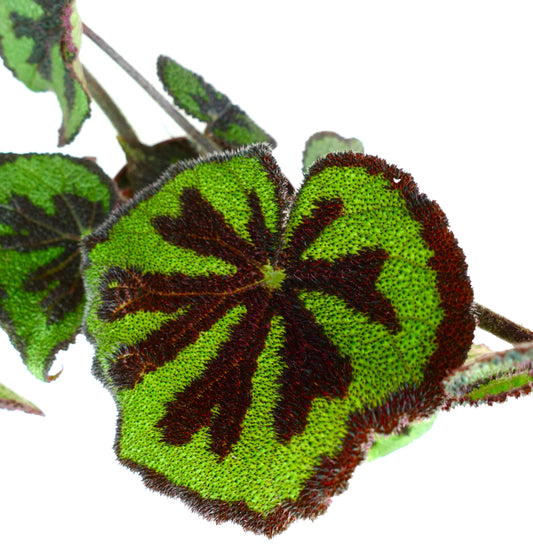
Begonias offer numerous unique varieties that appeal to collectors and gardeners alike. The spotted angel wing begonia features wing-shaped leaves with distinctive markings, while the moonlight butterfly begonia stands out with its pale, luminous flowers. Cultivating begonias from seeds allows enthusiasts to explore genetic diversity and develop new hybrids. Varieties such as the rex begonia superba showcase exceptional leaf coloration and texture, often sought for ornamental collections.
These plants play a significant role in horticultural research due to their genetic variability and ease of hybridization. Additionally, begonias contribute to urban greening by enhancing biodiversity in residential and commercial landscapes. Their resilience and aesthetic qualities make them a valuable component of diverse garden designs, ranging from tropical-themed spaces to shaded woodland gardens.
In summary, begonias are versatile plants that enrich gardens, balconies, and indoor environments with their beauty, ecological contributions, and adaptability.