Asparagus Seeds: Cultivate Fresh and Nutritious Vegetables
Growing asparagus seeds allows gardeners to cultivate a perennial vegetable valued for its distinctive flavor and significant health benefits. This plant thrives in temperate regions and adapts well to various garden settings, making it suitable for both beginners and experienced growers. Asparagus contributes to sustainable living by providing a reliable, long-term food source.
Asparagus Plants: A Long-Term Investment
Starting asparagus plants from seeds requires patience, as they take several years to mature. However, once established, these plants can produce abundant harvests for over 15 years. Varieties such as white asparagus, which is grown underground to prevent chlorophyll development, and the ornamental asparagus fern demonstrate the genus's diversity. These plants not only supply nutritious spears but also add aesthetic value to gardens.
Benefits of Asparagus
Asparagus is rich in essential nutrients including vitamins A, C, and K, as well as antioxidants, fiber, and folate. These compounds support immune function, promote digestion, and reduce inflammation. Cultivating asparagus seeds ensures access to fresh, organic produce without chemical additives, enhancing the nutritional quality of meals. Additionally, asparagus plays an ecological role by attracting pollinators when allowed to flower, thus supporting biodiversity.
How to Grow Asparagus
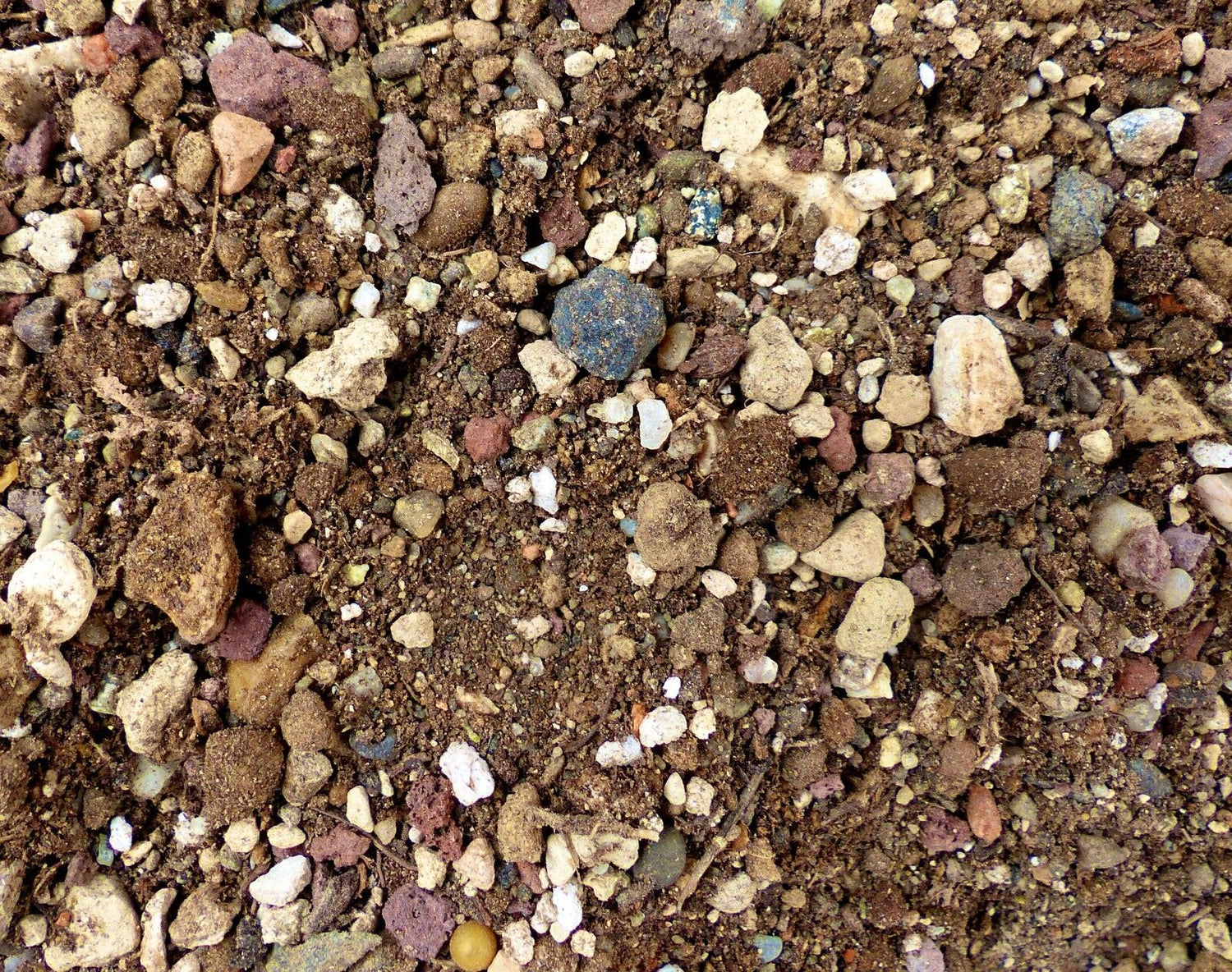
Asparagus seeds germinate best in well-drained, sandy loam soils with a neutral to slightly alkaline pH. They require full sunlight and consistent moisture during the growing season. Although asparagus plants take 2 to 3 years to establish a robust root system, proper care leads to high yields lasting over a decade. Gardeners should prepare deep planting trenches to accommodate the developing crowns and protect young shoots from pests such as asparagus beetles.
Successful cultivation depends on several factors, including:
- Choosing disease-resistant varieties adapted to local climates
- Maintaining soil fertility through organic amendments
- Implementing crop rotation to prevent soil-borne diseases
- Regularly monitoring for pests and applying integrated pest management
- Harvesting spears when they reach optimal size to encourage regrowth
By integrating these practices, gardeners can transform their plots into sustainable sources of fresh, nutritious vegetables using premium asparagus seeds. This approach supports ecological balance and provides a rewarding gardening experience.