Araucaria: The Majestic Tree
The Araucaria genus comprises a group of ancient coniferous trees recognized for their symmetrical, distinctive shapes and ecological significance. These trees belong to the family Araucariaceae and have a long evolutionary history dating back to the Mesozoic era. Araucaria species are native primarily to the Southern Hemisphere, including regions of South America, Australia, New Caledonia, and Norfolk Island. Their unique morphology features whorled branches and tough, scale-like leaves, adaptations that help them thrive in diverse environments ranging from subtropical forests to mountainous areas.
Cultivation and Care
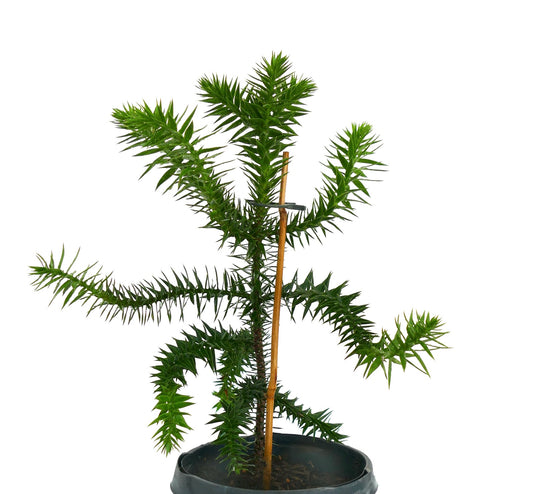
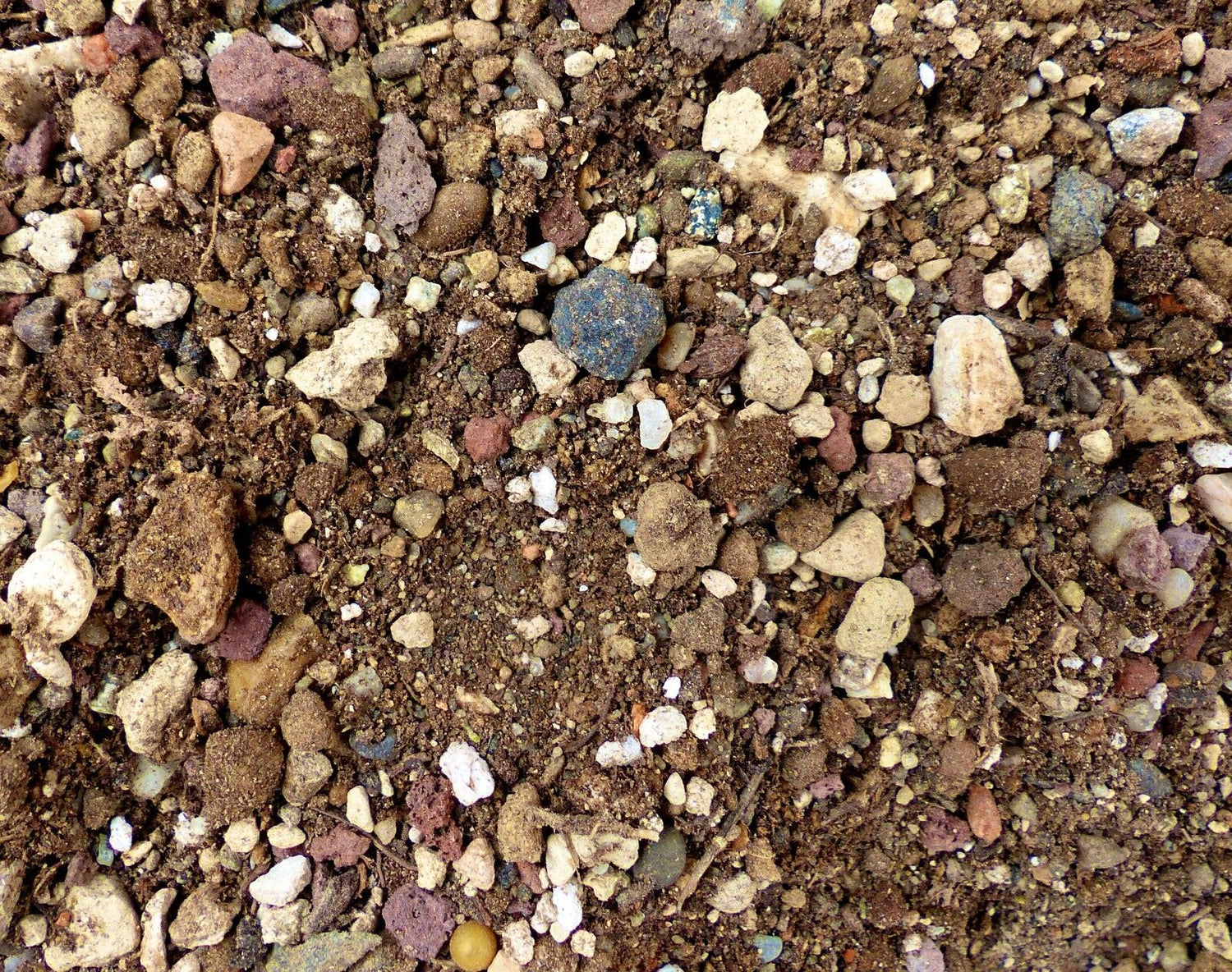
Growing an Araucaria tree requires understanding its environmental preferences. The Araucaria heterophylla, commonly known as the Norfolk Island Pine, adapts well as an indoor plant when exposed to bright, indirect light and soil that drains efficiently to prevent root rot. Outdoor species like the Araucaria araucana (Monkey Puzzle Tree) demand ample space due to their large mature size and prefer well-drained, slightly acidic soils. They tolerate drought once established but benefit from regular watering during prolonged dry spells. These trees also withstand cooler temperatures, especially the Monkey Puzzle Tree, which can survive frost and snow, reflecting their native temperate habitats.
Species and Features
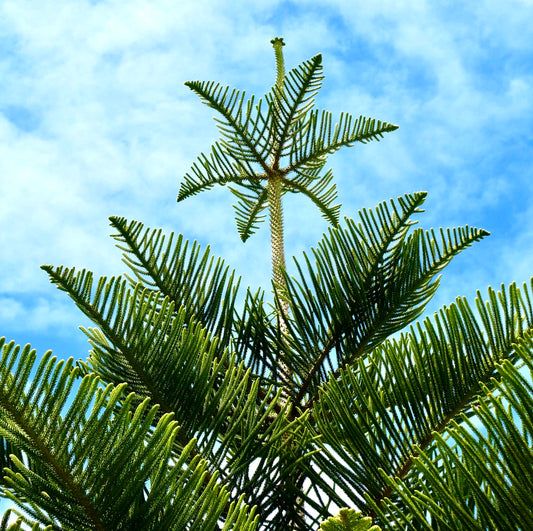
The Araucaria genus includes several notable species with distinct characteristics. The Araucaria bidwillii (Bunya Pine) produces enormous cones containing edible seeds, which serve as a traditional food source for Indigenous peoples in Australia. The Araucaria angustifolia (Brazilian Pine) thrives in subtropical highlands and is important both ecologically and economically. Another species, the Araucaria columnaris or Cook Pine, exhibits a tall, slender form and prefers tropical and subtropical coastal environments. These species share traits such as conical growth forms and robust, woody cones but differ in size, leaf shape, and habitat preferences.
These trees play ecological roles by providing habitats for various bird species and contributing to forest structure. Their seeds feed wildlife, and their dense wood has been historically valued for timber.
Unique Uses and Appeal
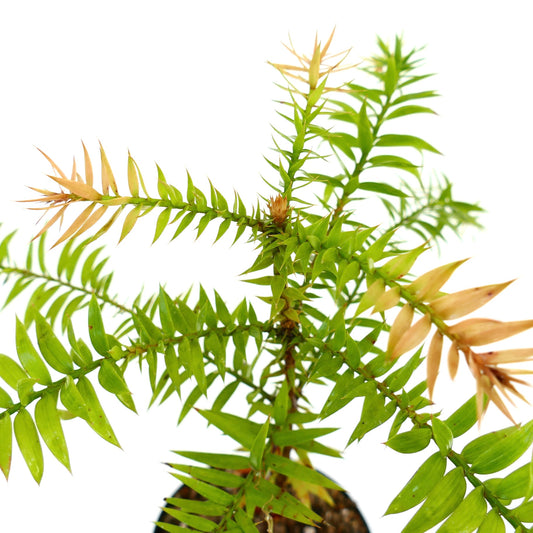
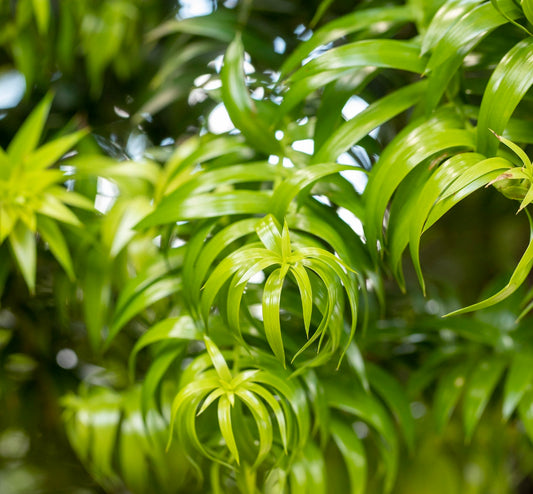
Araucaria trees serve multiple purposes beyond their ecological roles. The Araucaria heterophylla bonsai is popular among enthusiasts for its elegant, miniature form that mimics the full-sized tree's natural symmetry. Larger specimens like the Araucaria hoop pine are used in landscaping for their architectural shape and resilience. Moreover, the edible seeds of some species, such as the Araucaria araucana, provide nutritious food rich in carbohydrates and proteins. These seeds have cultural significance in native regions and attract interest for sustainable food sources.
In summary, the Araucaria genus combines botanical beauty, ecological importance, and practical uses. Their adaptability to various climates and distinctive appearance make them important both scientifically and horticulturally, appealing to botanists, ecologists, and plant collectors worldwide.
- Native distribution includes South America, Australia, and Pacific islands.
- Adaptations like tough leaves and conical shapes support survival in diverse habitats.
- Ecological roles include providing food and habitat for wildlife.
- Distinct species vary in morphology, from the tall Cook Pine to the broad Bunya Pine.
- Uses span ornamental planting, bonsai cultivation, timber, and edible seeds.