Aloidendron
Aloidendron: The Giant Succulent
The Aloidendron genus features striking, tree-like succulents that are both ornamental and resilient. Popular species like Aloidendron barberae (commonly known as the Tree Aloe) and Aloidendron hercules are perfect for adding structure and grandeur to landscapes.
Cultivation and Care
Caring for Aloidendron barberae and other species is straightforward. These plants thrive in sunny, well-draining environments and require minimal watering. Species like Aloidendron dichotomum, also known as the Quiver Tree, are highly drought-tolerant and ideal for xeriscaping.
Unique Features and Uses
From the towering Aloidendron ramosissimum to the rare Aloidendron pillansii, these plants are valued for their sculptural beauty and adaptability. The Aloidendron sabaeum and its young seedlings are excellent choices for collectors or those looking to diversify their succulent gardens.
Varieties for Every Garden
Whether you’re growing Aloidendron tongaensis or cultivating seedlings of Aloidendron eminens, this genus offers a range of species that cater to both large-scale landscaping and smaller gardens.
With their striking silhouettes and low-maintenance nature, Aloidendron plants are a standout addition to any garden or collection.
-
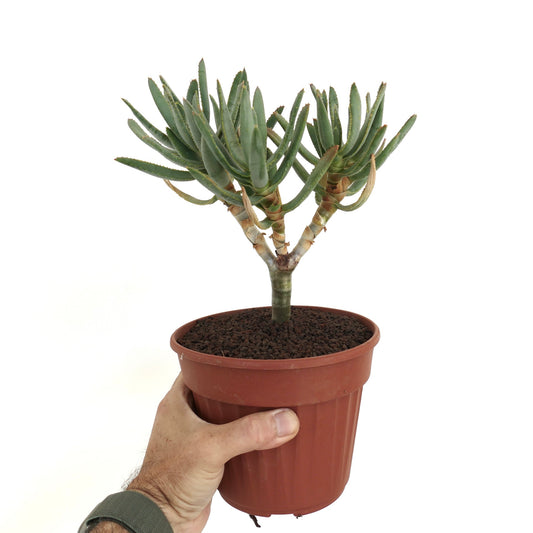
Aloidendron ramosissimum (syn. Aloe ramosissima) SS3
Regular price €45,00 EURRegular priceSale price €45,00 EURSold out -
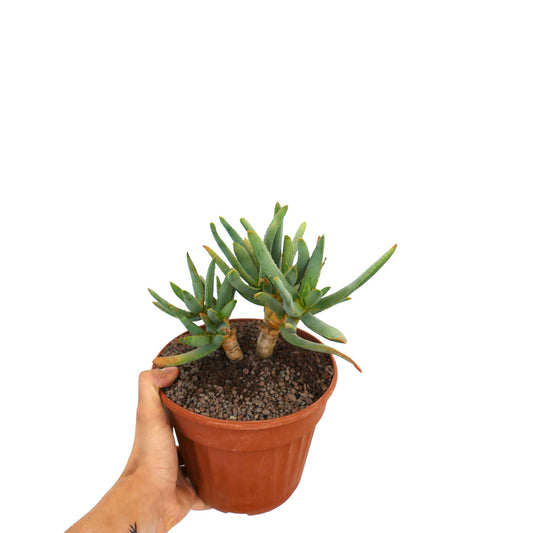
Aloidendron ramosissimum (syn. Aloe ramosissima) YZ3
Regular price €45,00 EURRegular priceSale price €45,00 EURSold out -
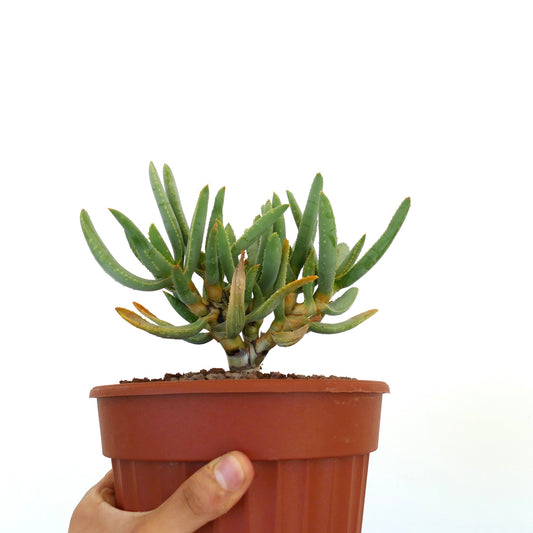
Sold outAloidendron ramosissimum 33HT
Regular price €65,00 EURRegular priceSale price €65,00 EURSold out
Collection: Aloidendron
Explore our Aloidendron collection, featuring majestic, tree-like succulents recognized for their tall, branching stems and clusters of spiky leaves. Native to southern Africa, Aloidendron species, closely related to Aloe, grow into impressive sizes, adding height and structure to any landscape. Known for their drought tolerance, these succulents thrive in full sun, well-draining soil, and require minimal watering. In late winter to early spring, they produce vibrant, tubular flowers that attract pollinators, adding a striking focal point to desert and dry gardens.
Other Collections in the Archive
-
Specimen Plants
Specimen Plants in our Store Specimen Plants captivate plant enthusiasts with their...
-
Catalogue Plants
Catalogue plants provide a wide variety of options to elevate your garden...
-
Gardening Tools & Soils
Gardening tools – essentials for healthy soils and thriving plants Building a...