All Euphorbia
Discover our Euphorbia collection, featuring a diverse range of succulents and flowering plants known for their unusual forms, spiny stems, and striking foliage. Native to various regions worldwide, Euphorbia species vary widely, from cactus-like succulents to flowering shrubs, with some varieties displaying vibrant bracts that resemble petals. Many produce a milky sap and thrive in full sun, well-draining soil, and minimal watering. Euphorbia is ideal for rock gardens, xeriscaping, and container displays, adding bold structure, resilience, and unique charm to any garden.
-
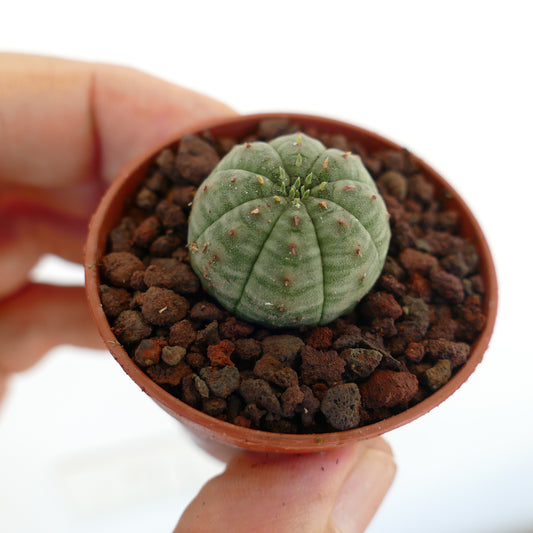
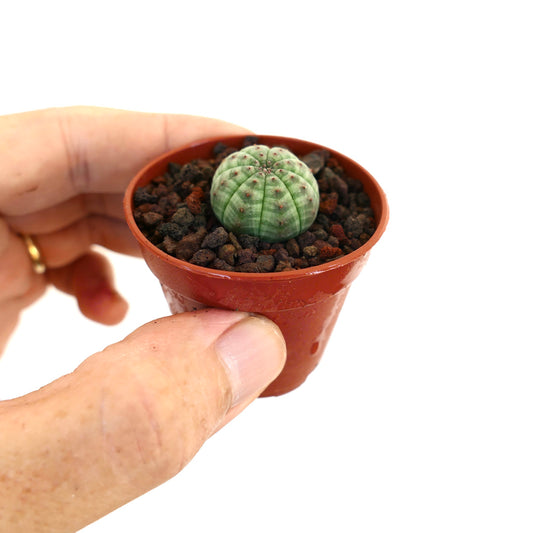
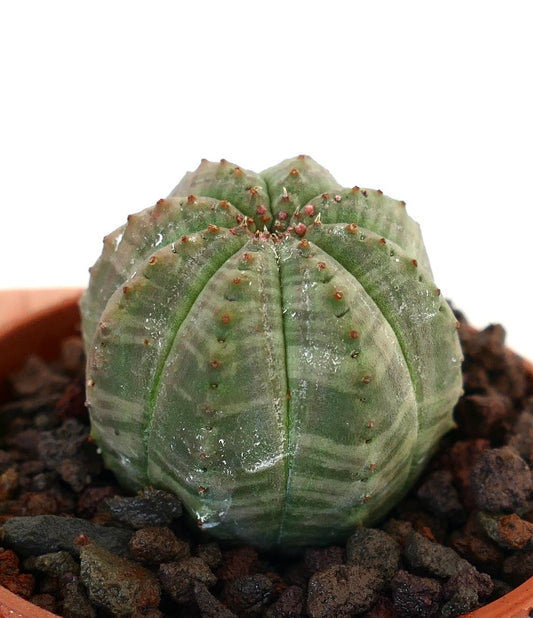
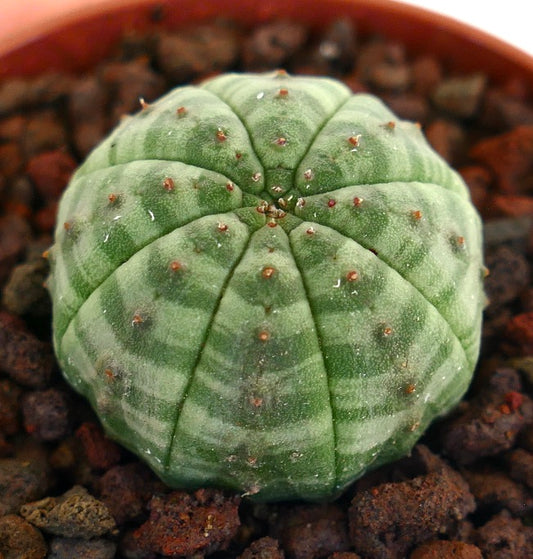
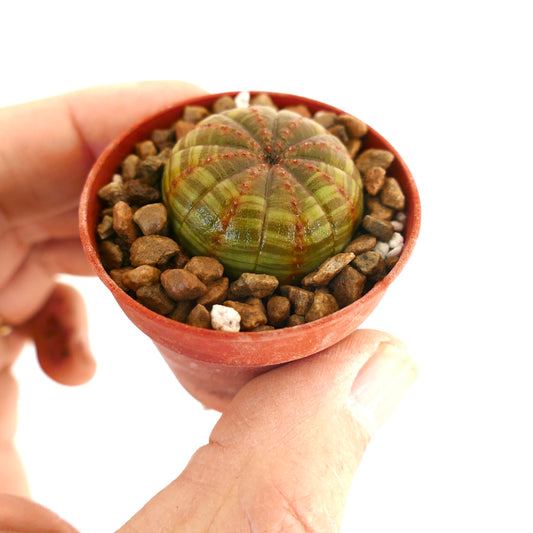
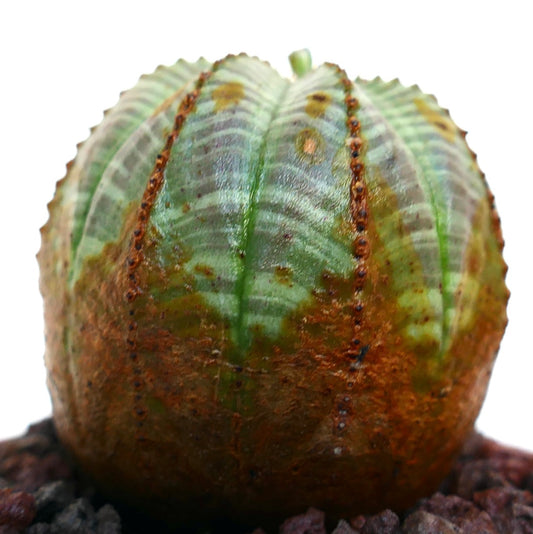
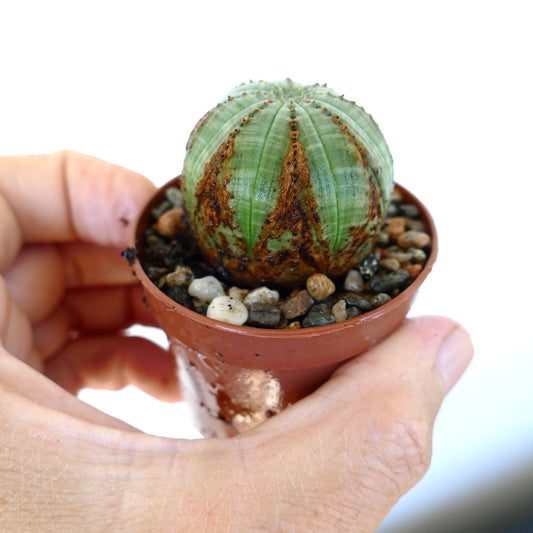
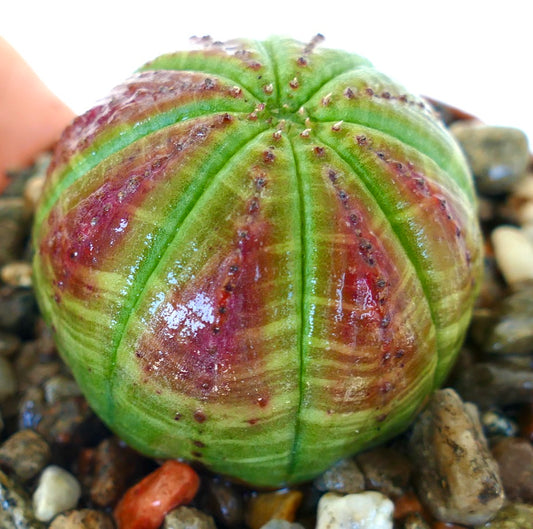
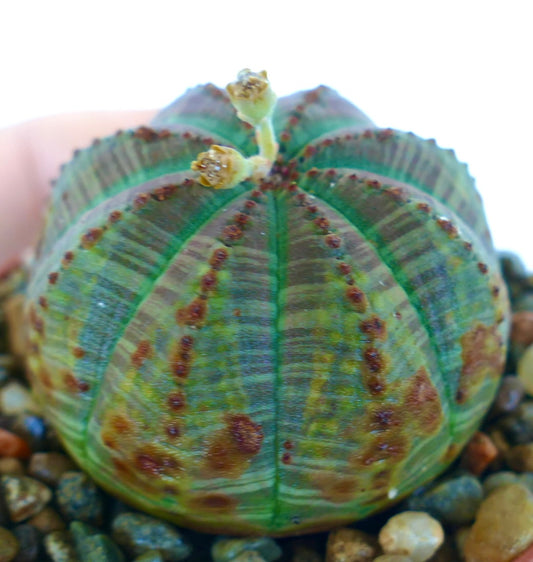
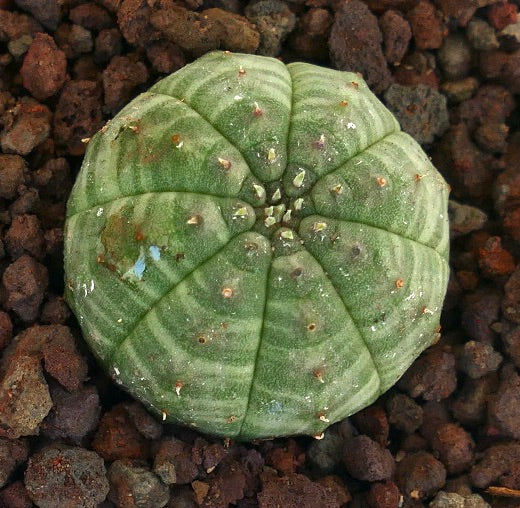
Sold outEuphorbia obesa GREEN STRIATA 316F4
Regular price €5,00 EURRegular priceSale price €5,00 EURSold out -
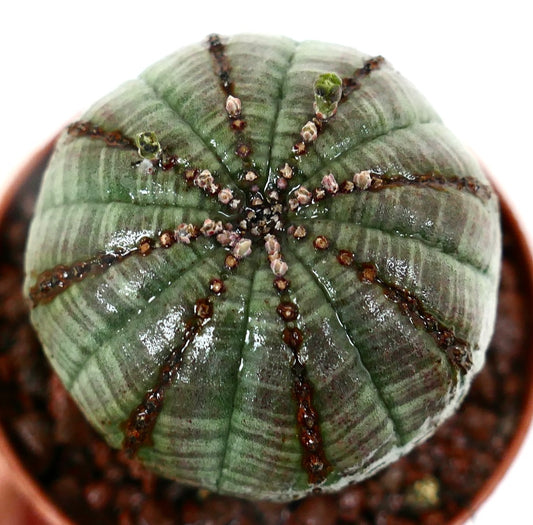
Sold outEuphorbia obesa GREEN STRIATA 5DA
Regular price €4,00 EURRegular priceSale price €4,00 EURSold out -
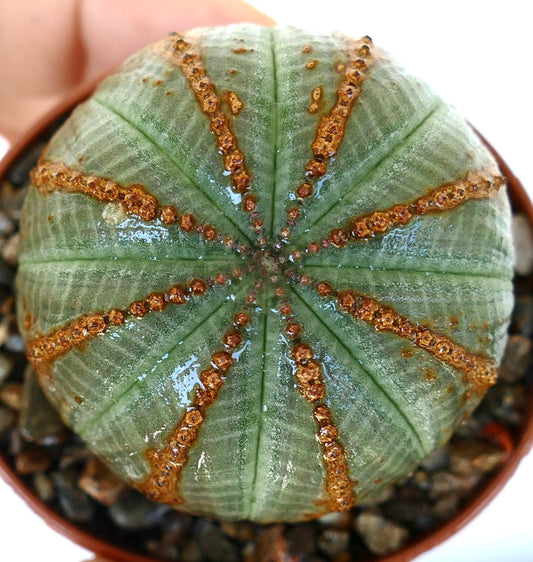
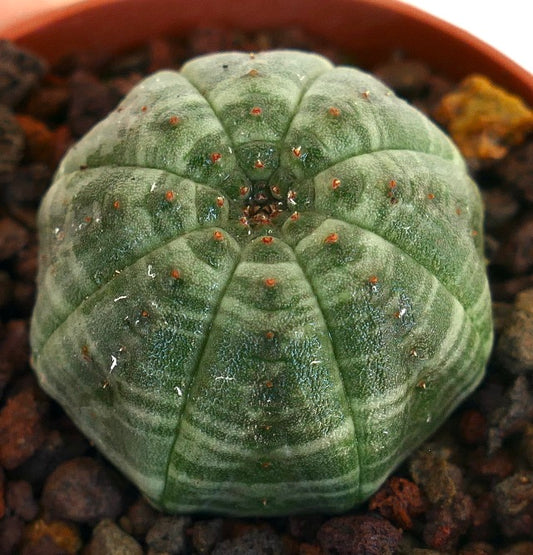
Sold outEuphorbia obesa GREEN STRIATA C188
Regular price €4,00 EURRegular priceSale price €4,00 EURSold out -
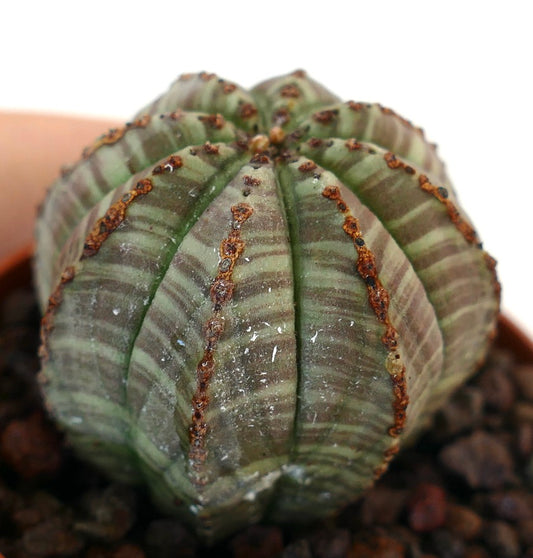
Sold outEuphorbia obesa GREEN STRIATA F1K8
Regular price €6,00 EURRegular priceSale price €6,00 EURSold out -
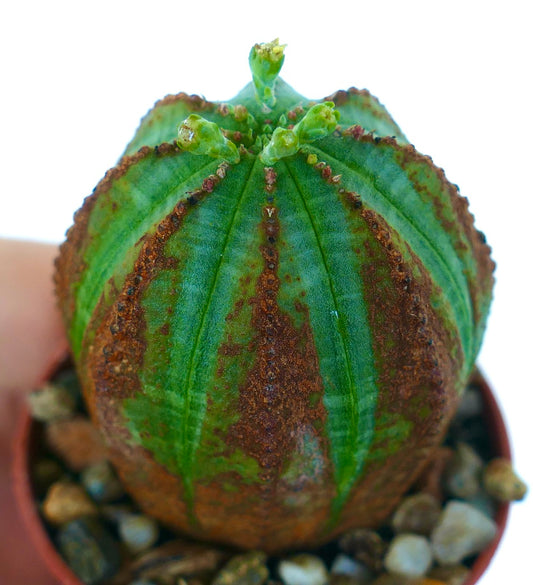
Sold outEuphorbia obesa GREEN STRIATA FAU1
Regular price €5,00 EURRegular priceSale price €5,00 EURSold out -
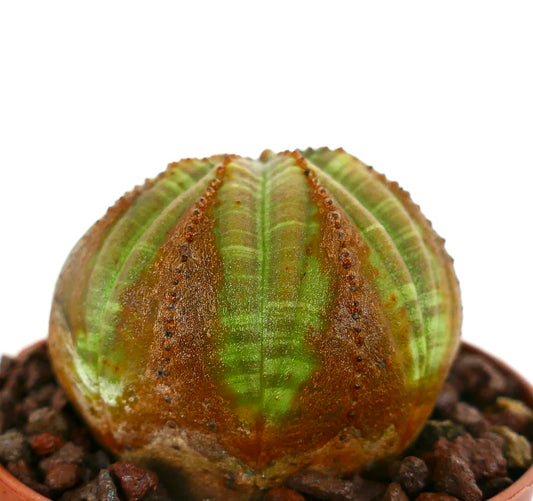
Euphorbia obesa GREEN STRIATA SELECTED FS4
Regular price €10,00 EURRegular priceSale price €10,00 EURSold out -
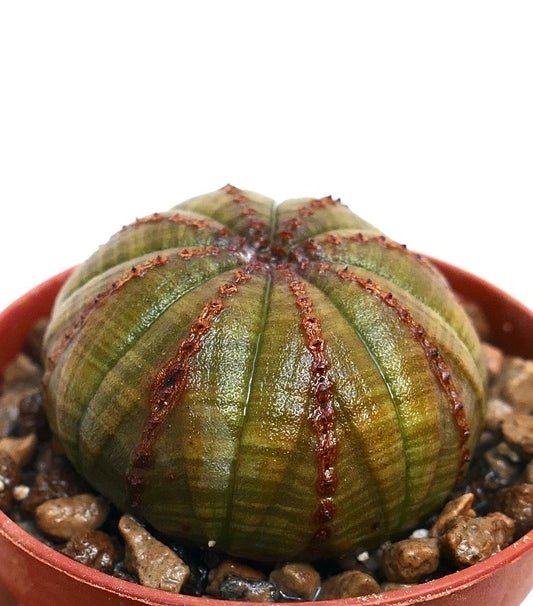
Euphorbia obesa GREEN STRIATA SELECTED UM4
Regular price €10,00 EURRegular priceSale price €10,00 EUR -
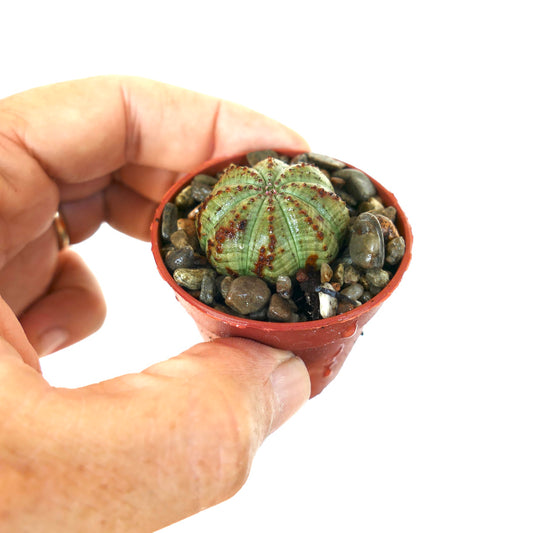
Euphorbia obesa GREEN STRIATA SLIGHTLY STAR-SHAPE 7UX
Regular price €6,00 EURRegular priceSale price €6,00 EURSold out -
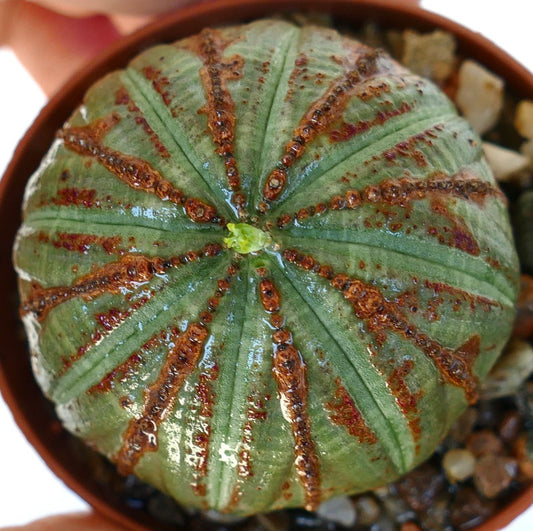
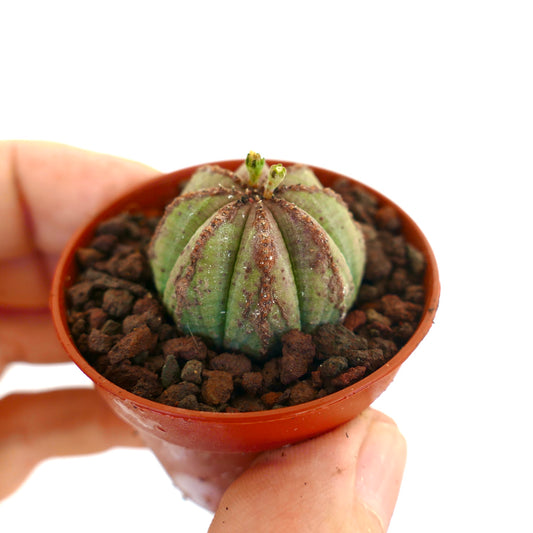
Euphorbia obesa GREEN STRIATA SUPER MARKINGS BK78
Regular price €14,00 EURRegular priceSale price €14,00 EURSold out -
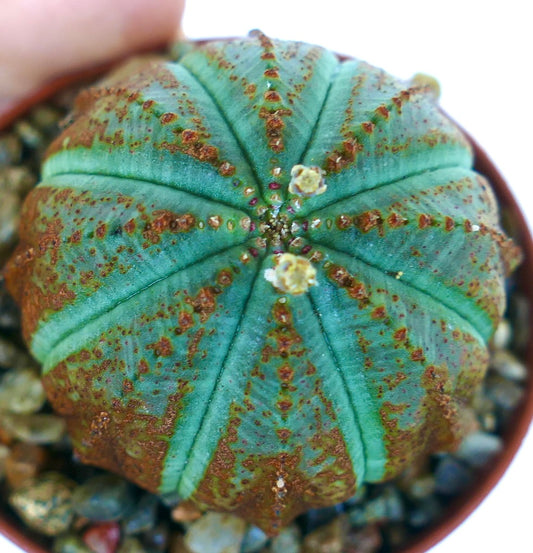
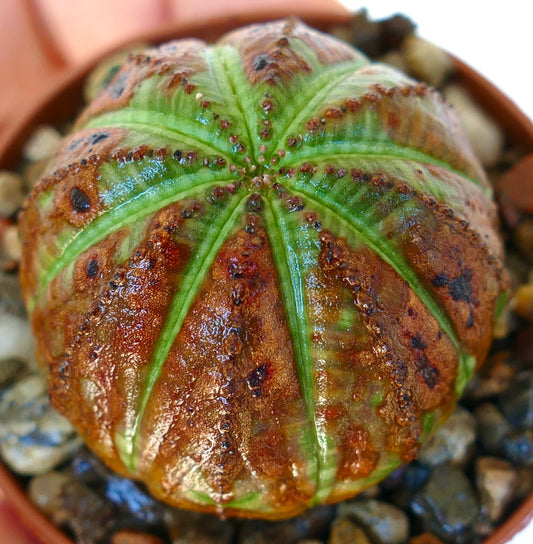
Euphorbia obesa GREEN STRIATA WITH BROWN AREAS RE7
Regular price €6,50 EURRegular priceSale price €6,50 EUR -
Euphorbia obesa GREEN WITH BROWN AREAS
Regular price €12,00 EURRegular priceSale price €12,00 EUR -
Euphorbia obesa GREEN WITH BROWN AREAS FA9911
Regular price €7,50 EURRegular priceSale price €7,50 EUR -
Euphorbia obesa GREEN WITH BROWN ARROWS SELECTED FF50-B83
Regular price €12,00 EURRegular priceSale price €12,00 EUR -
Euphorbia obesa GREEN WITH BROWN LINES
Regular price €6,50 EURRegular priceSale price €6,50 EURSold out -
Euphorbia obesa GREEN WITH BROWN MARKS FIN28
Regular price €14,00 EURRegular priceSale price €14,00 EURSold out -
Euphorbia obesa GREEN WITH BROWN MARKS ON RIBS
Regular price €7,50 EURRegular priceSale price €7,50 EUR -
Euphorbia obesa GREEN WITH BROWN SPOTS
Regular price €16,00 EURRegular priceSale price €16,00 EURSold out -
Euphorbia obesa GREEN WITH BROWN SPOTS & ARROWS
Regular price €9,00 EURRegular priceSale price €9,00 EUR -
Euphorbia obesa GREEN WITH BROWN SPOTS GOLDEN
Regular price €12,00 EURRegular priceSale price €12,00 EUR -
Euphorbia obesa GREEN WITH BROWN SPOTS MN7
Regular price €4,50 EURRegular priceSale price €4,50 EURSold out -
Euphorbia obesa GREEN WITH BROWN UNUSUAL MARKINGS
Regular price €6,00 EURRegular priceSale price €6,00 EURSold out -
Euphorbia obesa GREEN WITH CRAZY APEX
Regular price €9,00 EURRegular priceSale price €9,00 EUR -
Euphorbia obesa GREEN WITH PINK ARROWS
Regular price €12,00 EURRegular priceSale price €12,00 EURSold out -
Euphorbia obesa GREEN WITH SOME BROWN SPOTS
Regular price €12,00 EURRegular priceSale price €12,00 EURSold out
Collection: All Euphorbia
Euphorbia: A Diverse and Stunning Plant Genus
The Euphorbia genus encompasses a vast and diverse group of plants, including over 2,000 species worldwide. These species range from succulent forms adapted to arid environments to herbaceous perennials found in temperate regions. Their unique morphological features, such as milky sap and specialized flower structures called cyathia, contribute to their botanical interest and ecological roles. Euphorbia species have adapted to various habitats, including deserts, tropical forests, and temperate woodlands, demonstrating remarkable ecological versatility. These plants often serve as important resources for pollinators and play significant roles in their native ecosystems.
Euphorbia Milii: The Crown of Thorns
Euphorbia milii, commonly called the Crown of Thorns, is a succulent shrub native to Madagascar. It thrives in well-drained soils and bright sunlight, often found in dry, rocky habitats. This species produces vibrant, small flowers surrounded by colorful bracts, which attract pollinators such as bees and butterflies. Its thorny stems serve as a defense mechanism against herbivores, while its drought tolerance allows survival in harsh conditions. The Crown of Thorns is widely cultivated for ornamental purposes due to its striking appearance and resilience.
Euphorbia Ascot Rainbow: A Garden Favorite
The Euphorbia Ascot Rainbow is recognized for its attractive, multicolored foliage that displays shades of green, pink, and cream throughout the year. This evergreen perennial adapts well to various garden settings, including borders and containers. It prefers well-drained soil and moderate sunlight, tolerating periods of drought. The Ascot Rainbow's colorful leaves provide visual interest even when the plant is not in bloom, and it contributes to garden biodiversity by supporting pollinators. Its low maintenance requirements make it a popular choice for gardeners seeking both aesthetic appeal and ecological benefits.
Caring for Euphorbia Plants
Cultivating Euphorbia species requires understanding their diverse ecological adaptations. Most prefer well-drained soil to prevent root rot and need watering schedules that mimic their native dry environments, meaning infrequent but deep watering. Adequate sunlight is essential for photosynthesis and flowering, with many species thriving in full sun to partial shade. Popular varieties like Euphorbia trigona, known as the African milk tree, and Euphorbia amygdaloides, a woodland groundcover, illustrate the genus's morphological diversity and adaptability. These plants contribute to garden ecosystems by providing shelter and nectar for various insects.
In summary, the Euphorbia genus offers a wide array of plants suited for different environments and horticultural uses. Their unique forms, ecological roles, and minimal care needs make them valuable components of both natural habitats and cultivated gardens.
- Wide distribution from deserts to temperate forests
- Adaptations include succulent stems and toxic sap
- Important ecological interactions with pollinators and herbivores
- Variety of growth forms: shrubs, perennials, succulents
- Low maintenance requirements favor sustainable gardening
Other Collections in the Archive
-
Specimen Plants
Specimen Plants in our Store Specimen Plants captivate plant enthusiasts with their...
-
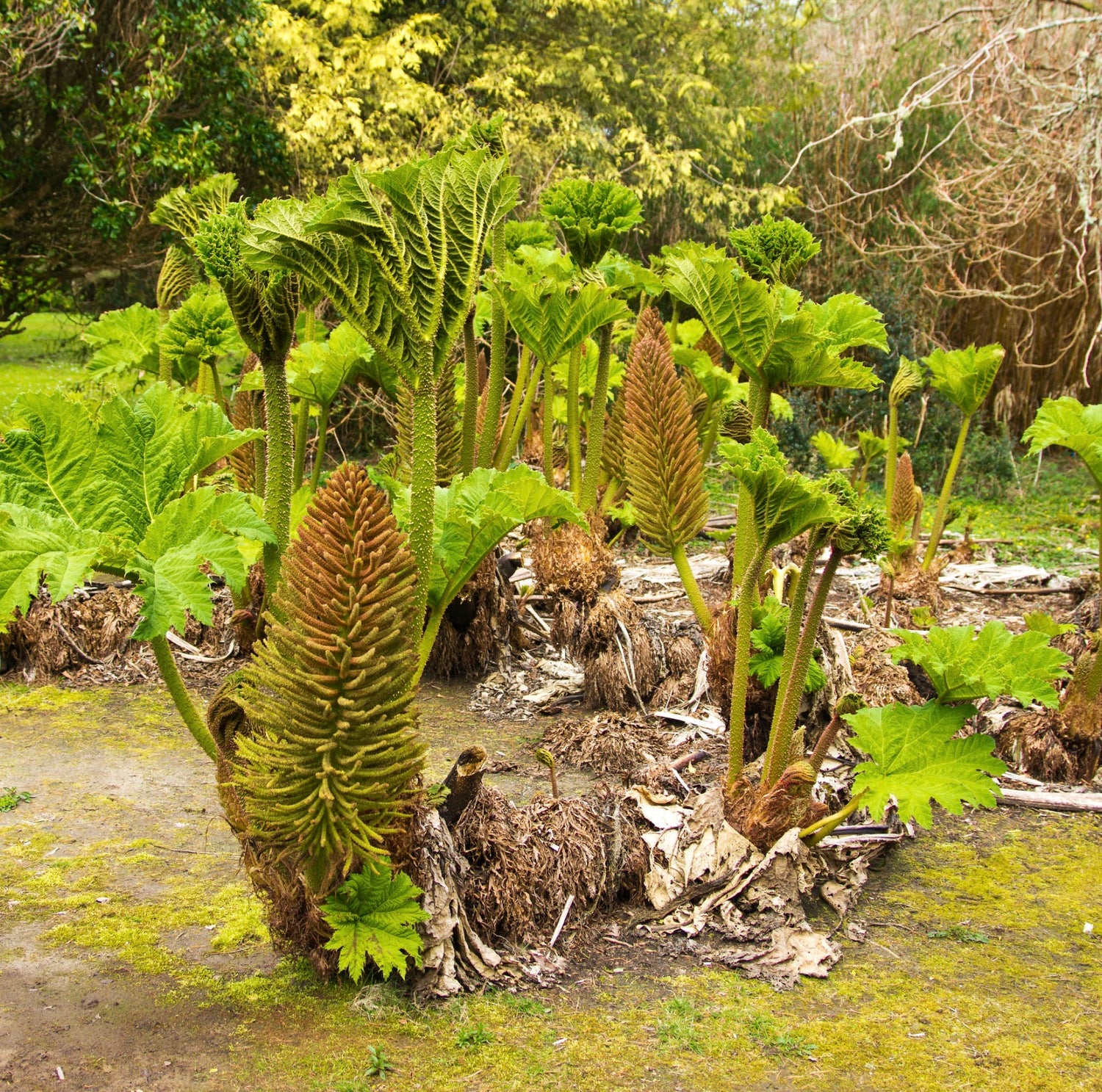
Catalogue Plants
Catalogue plants provide a wide variety of options to elevate your garden...
-
Gardening Tools & Soils
Gardening tools – essentials for healthy soils and thriving plants Building a...