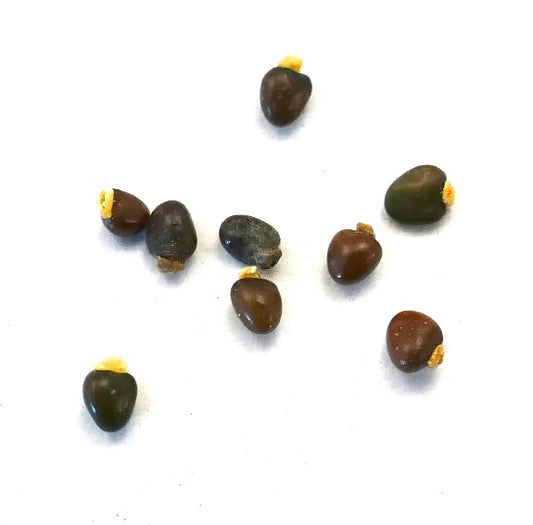
Collezione: Semi di Ulex
Ulex – Linee spinose plasmate dal fuoco e dalla persistenza
Identità botanica e origine
Originario degli habitat atlantici di brughiere, Ulex si sviluppa come un arbusto sempreverde denso caratterizzato da una morfologia spinosa e sempreverde e rami rigidi adattati al vento, al pascolo e all’esposizione. Specie come ulex europaeus occupano suoli acidi esposti al sole, dove la scarsità di nutrienti favorisce piante con simbiosi radicale fissatrice di azoto. Il genere produce fiori papilionacei di un brillante giallo per stagioni prolungate, avviando cicli riproduttivi sintonizzati su ambienti soggetti a disturbi. In questi paesaggi, Ulex ha sviluppato strategie basate sulla longevità e sulla persistenza dei semi.
Diversità delle specie e strategia riproduttiva
Tra le specie di arbusti di ginestra, si osserva una variazione nell’altezza, nella densità di spine e nel ritmo di fioritura. Dopo l’impollinazione, i legumi maturano attraverso una deiscenza esplosiva delle capsule, disperdendo semi di legume con tegumento duro nel terreno circostante. Specie come ulex minor contribuiscono a una densa pioggia di semi, rinforzando la stabilità della popolazione. Questi semi resistono alla decomposizione e alla predazione, formando una banca di semi nel suolo a lunga durata che sostiene la rigenerazione molto tempo dopo il declino delle piante adulte.
Coltivazione e adattabilità ecologica
Sia in coltivazione che in ambienti selvatici, Ulex esprime una strategia riproduttiva fortemente legata ai disturbi. I semi spesso rispondono al calore e all’abrasione, con una risposta germinativa stimolata dal fuoco documentata, che riflette un adattamento agli incendi periodici. Questo meccanismo consente una rapida ricolonizzazione del terreno scoperto, mentre la struttura sempreverde mantiene la presenza tra un evento e l’altro.
-
Capsule che rilasciano i semi con una tensione improvvisa
-
Tegumenti dei semi che conservano la vitalità per anni
-
Rigenerazione stimolata da calore e luce
-
Struttura dell’arbusto che resiste a esposizioni severe
Sintesi simbolica e significato estetico
In definitiva, Ulex incarna una poetica della persistenza e della resilienza. Attraverso la sua ecologia dei semi e l’architettura spinosa, il genere riflette paesaggi plasmati dal fuoco, dal vento e dal tempo. In questi cicli duraturi di semi, Ulex si erge come un emblema botanico di sopravvivenza radicato nella moderazione, nell’accumulo e nel rinnovamento.