Collezione: Chamaecereus Seeds
Chamaecereus Seeds – Creeping beginnings of mountain cacti
Botanical identity and origin
Chamaecereus Seeds originate from a small cactus genus native to mountainous regions of Argentina, adapted to rocky slopes and open grasslands. The seeds are small, dark brown to black, and develop inside fleshy fruits that mature during warm seasons. Natural dispersal occurs through animals and gravity, placing seeds into mineral soils and sheltered crevices. Germination is synchronized with summer rainfall and moderate warmth, allowing seedlings to establish quickly before cooler conditions return. Ecologically, these seeds support low-growing cactus populations shaped by altitude and seasonal contrast.
Species diversity and ornamental value
The ornamental value preserved within Chamaecereus Seeds reflects the compact and clumping nature of the genus. Species such as Chamaecereus silvestrii and related forms produce seedlings that vary in stem thickness, growth speed, and flower intensity. Seed propagation maintains genetic diversity, often revealing differences in coloration and vigor not seen in vegetatively propagated plants. For collectors, seed-grown individuals offer more natural expressions of this genus’s creeping habit and profuse flowering potential.
Cultivation and adaptability
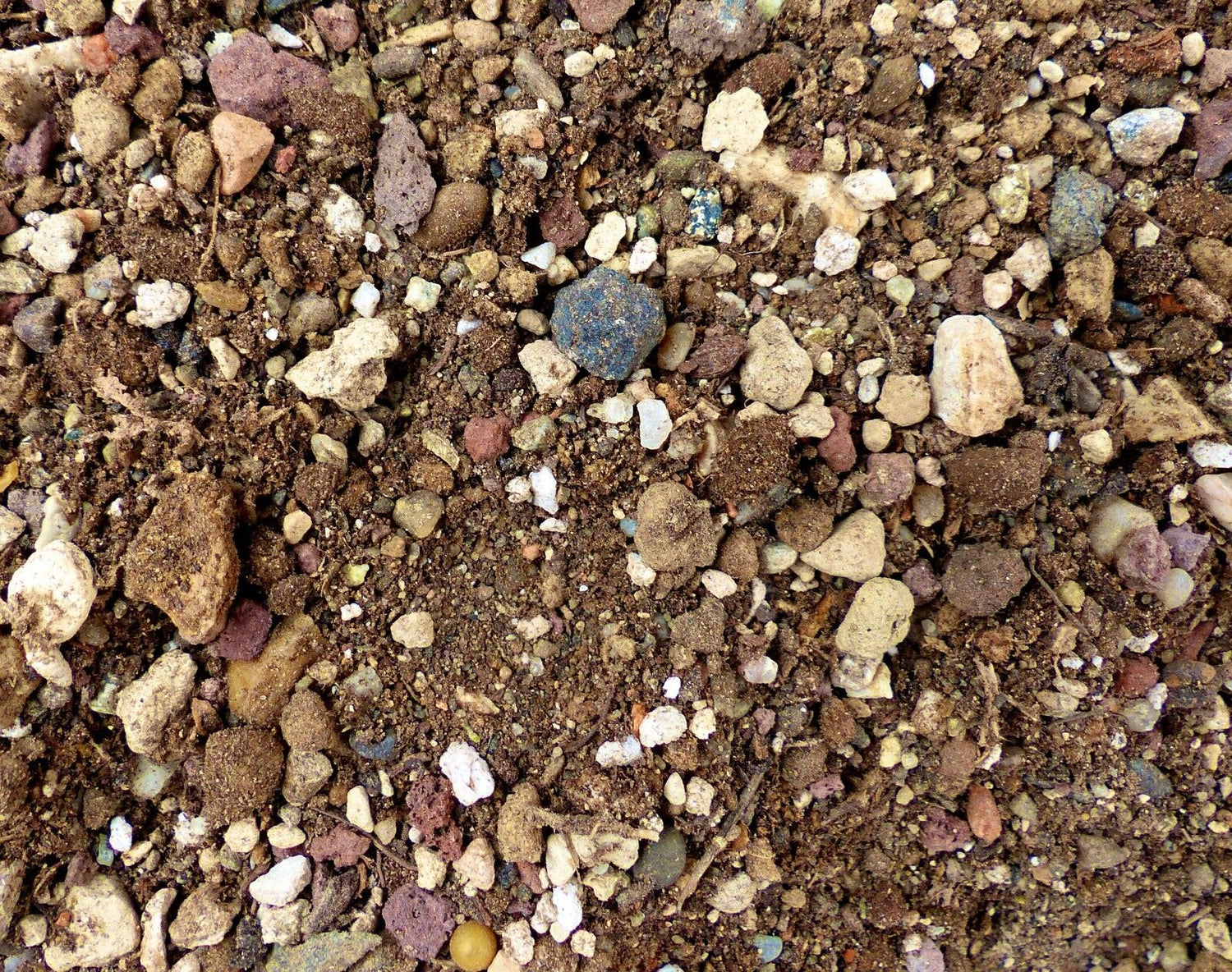
Sowing Chamaecereus Seeds requires warmth, light, and excellent drainage. Seeds should be placed on fine, mineral-based substrates and left uncovered or lightly pressed into the surface. Consistent humidity and temperatures between 20–26 °C usually promote germination within one to three weeks. Seedlings benefit from bright, indirect light and careful watering, developing shallow but resilient root systems. Plants raised from seed often show improved adaptability to temperature variation and long-term cultivation.
Poetic synthesis and symbolism
Within Chamaecereus Seeds lies a quiet promise of persistence close to the ground. Each seed carries the potential for spreading forms and sudden bursts of vivid bloom. Their growth reflects resilience through modest scale, thriving where exposure and stone define the landscape. As symbols, these seeds evoke endurance without height, reminding us that beauty and strength need not rise far to be enduring.
-
Small dark seeds adapted to rocky mountain soils
-
Summer-active germination aligned with rainfall
-
Genetic variation enhancing flower color and vigor
-
Creeping growth habit expressed clearly from seed