المجموعة: Ceropegia Seeds
Ceropegia Seeds – Winged continuities of intricate vines
Botanical identity and origin
Ceropegia Seeds originate from a diverse genus within the Apocynaceae family, distributed across Africa, Madagascar, Asia, and Australia. The seeds are slender, flattened, and crowned with silky tufts of hairs that enable wind dispersal once the paired follicles split open. This anemochorous strategy allows seeds to travel beyond the parent plant, settling in rocky soils, grasslands, and forest margins. Germination follows warm temperatures and episodic moisture, supporting rapid establishment in habitats shaped by seasonal rainfall and disturbance.
Species diversity and ornamental value
The genetic richness preserved within Ceropegia Seeds reflects the extraordinary morphological diversity of the genus. Species such as Ceropegia woodii, C. stapeliiformis, C. sandersonii, and C. bulbosa produce seedlings that vary in vine thickness, tuber formation, and floral architecture. Seed propagation maintains this natural variability, often revealing growth forms and vigor absent in vegetatively propagated plants. For collectors and botanical collections, raising plants from seed offers authentic expressions of this genus’s evolutionary complexity.
Cultivation and adaptability
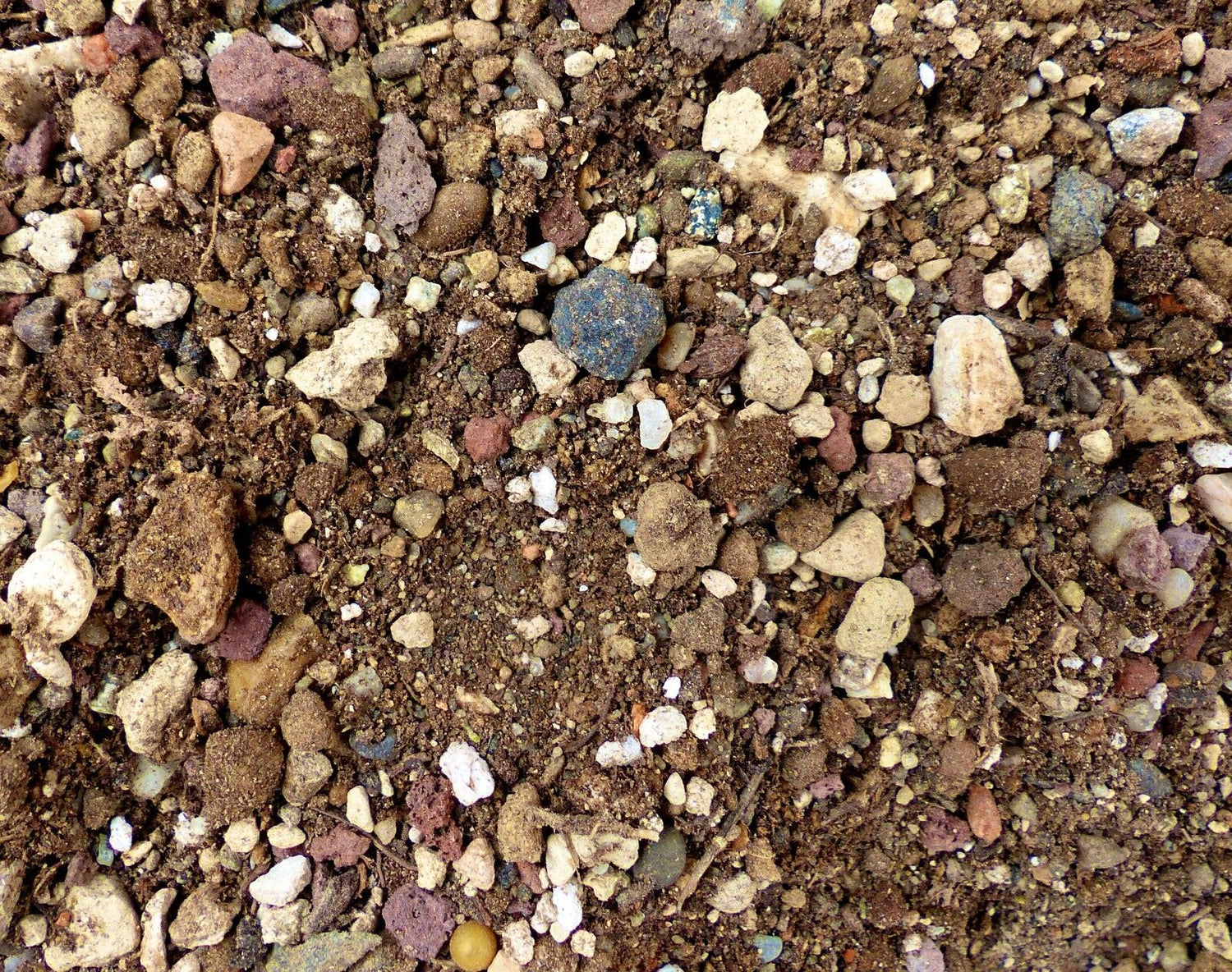
Sowing Ceropegia Seeds requires light, warmth, and excellent drainage. Seeds should be placed on finely textured, mineral-rich substrates and left uncovered, as light promotes uniform germination. Consistent humidity and temperatures between 22–28 °C typically result in sprouting within one to three weeks. Seedlings benefit from bright, indirect light and careful watering, allowing early tuber development. Plants grown from seed establish stronger root systems and show greater adaptability to cultivation conditions over time.
Poetic synthesis and symbolism
Within Ceropegia Seeds lies a dialogue between air and earth. Each seed drifts lightly before anchoring itself, unfolding into vines that trace space with precision and curiosity. Their growth reflects balance between fragility and persistence. As symbols, these seeds evoke connection and movement, reminding us that even the most elaborate forms begin their journey carried quietly on the wind.
-
Silky-haired seeds adapted for wind dispersal
-
Rapid germination following seasonal moisture
-
Early tuber formation supporting drought tolerance
-
High morphological diversity preserved through seed growth