
Buiningia Seeds
-
บูอินเกีย เบรวิซิลินดริกา HU167 เมล็ดพันธุ์
ราคาปกติ จาก €5,20 EURราคาปกติ

คอลเล็กชันอื่น ๆ ใน Archive
-

ต้นตัวอย่าง
พรรณไม้ตัวอย่างในร้านของเรา พรรณไม้ตัวอย่าง ดึงดูดใจผู้หลงใหลในพืชด้วยความงดงามและความหายากเฉพาะตัว พืชเหล่านี้มีตั้งแต่สายพันธุ์สีสันสดใสที่เติบโตในถิ่นที่อยู่อาศัยแปลกตา ไปจนถึงพืชที่ต้องการการดูแลเอาใจใส่อย่างพิถีพิถัน รูปทรงและสีสันที่เป็นเอกลักษณ์ของพวกมันช่วยเสริมคอลเลคชันพฤกษศาสตร์ ทำให้กลายเป็นจุดสนใจในสวนรวมถึงพื้นที่ภายในบ้าน นอกจากนี้ยังให้ความรู้เกี่ยวกับการปรับตัวเฉพาะและบทบาททางนิเวศวิทยา สร้างแรงบันดาลใจและความชื่นชมในความหลากหลายของพรรณไม้ ความน่าหลงใหลของพรรณไม้ตัวอย่าง พรรณไม้ตัวอย่าง เช่น...
-
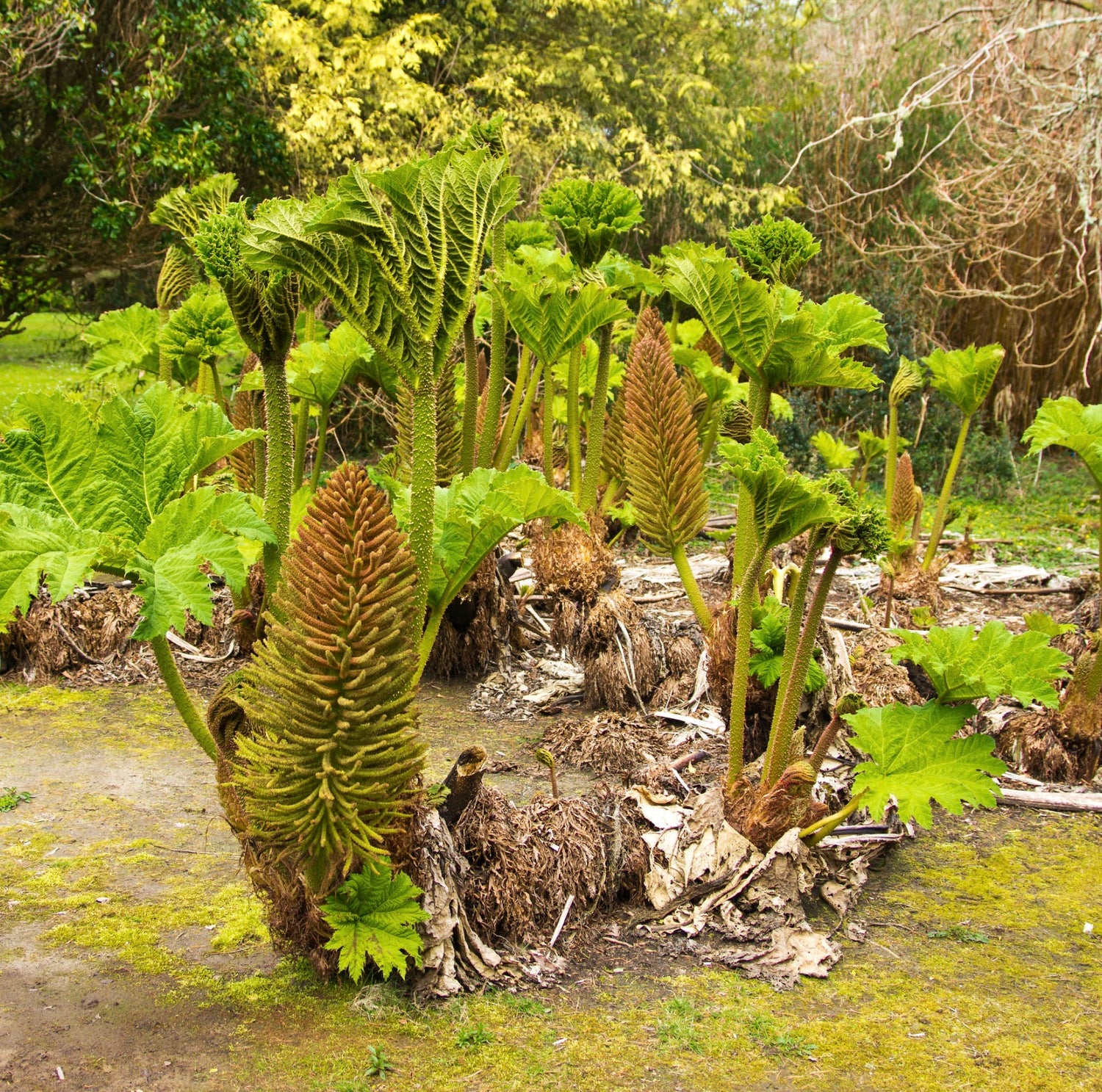
แคตตาล็อกต้นไม้
พรรณไม้ในแคตตาล็อก มีตัวเลือกหลากหลายเพื่อยกระดับสวนหรือพื้นที่ภายในบ้านของคุณ ตั้งแต่ ต้นลิ้นมังกร และ ต้นมอนสเตอร่า ที่น่าทึ่ง ไปจนถึงตัวเลือกเฉพาะอย่าง ต้นพลับพลึง พรรณไม้เหล่านี้มีขนาดต่าง ๆ กันและเหมาะสำหรับการปรับแต่ง...
-

เมล็ดพันธุ์ทั้งหมด
เมล็ดพันธุ์: รากฐานของสวนทุกแห่ง เมล็ดพันธุ์ คือพื้นฐานของการสืบพันธุ์ของพืชและเป็นจุดเริ่มต้นสำคัญของการเกษตรและการจัดสวน เมล็ดพันธุ์เกิดขึ้นหลังการผสมเกสรของดอกไม้ จึงบรรจุสารพันธุกรรมที่ทำให้พืชแต่ละพันธุ์คงอยู่ได้ผ่านหลายรุ่น ในความเป็นจริง ตั้งแต่ เมล็ดทานตะวัน ไปจนถึง เมล็ดพันธุ์สายพันธุ์ดั้งเดิม ทุกชนิดสะท้อนถึงการปรับตัวมาตลอดหลายศตวรรษให้เหมาะกับสภาพภูมิอากาศและแรงกดดันทางนิเวศวิทยาที่แตกต่างกัน...
-
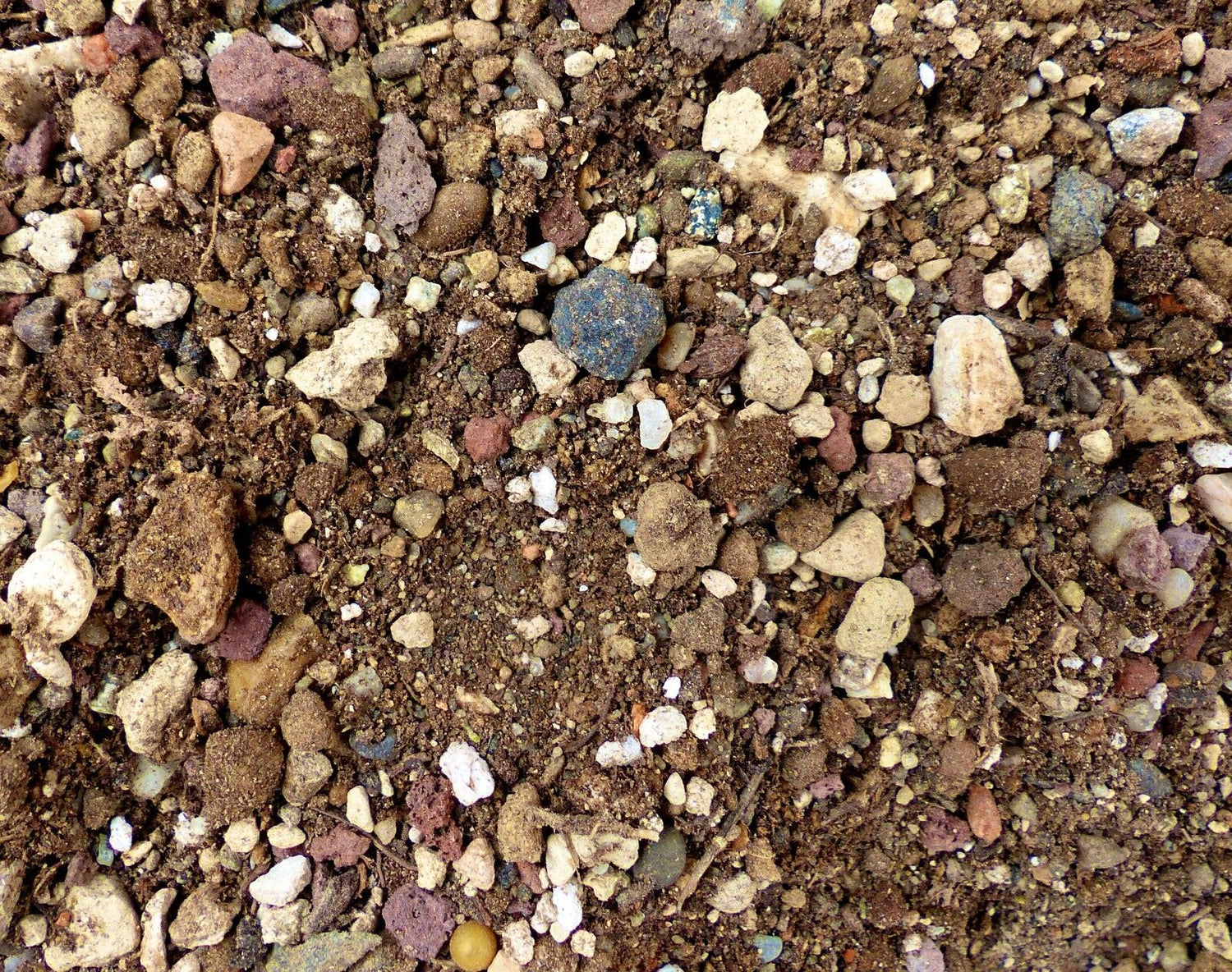
อุปกรณ์ทำสวนและดิน
อุปกรณ์การทำสวน – สิ่งจำเป็นสำหรับดินที่แข็งแรงและพืชที่เจริญงอกงาม การสร้างพื้นฐานสำหรับชาวสวน อุปกรณ์การทำสวน คือเสาหลักของทุกโครงการทำสวน ตั้งแต่การดูแลผักไปจนถึงการปลูกขอบไม้ประดับ ด้วยเครื่องมือที่เหมาะสม การทำงานใน สวน จะมีประสิทธิภาพและสนุกสนาน ชิ้นงานคลาสสิกเช่น...


