Baijiania

Baijiania Seeds represent the reproductive foundation of a rare succulent genus adapted to limestone and karst landscapes of southern China. These tiny, dark seeds disperse locally into mineral fissures and germinate during periods of seasonal moisture. When sown on well-draining, mineral substrates with light and restrained humidity, they produce slow-growing seedlings with strong roots and natural variation. Valued for botanical study and conservation, these seeds preserve the subtle resilience and ecological specialization that define Baijiania.

ไม่พบสินค้า
ใช้ตัวกรองให้น้อยลง หรือลบทั้งหมด

คอลเลกชัน: Baijiania

Baijiania Seeds – Hidden continuities of karst succulents

Botanical identity and origin

Baijiania Seeds originate from a little-known succulent genus endemic to limestone and karst regions of southern China. These seeds are minute, dark, and smooth, produced within dry capsules that open gradually as they mature. In their native habitat, dispersal is highly localized, with seeds settling into rock fissures, thin soils, and shaded mineral pockets. Germination is synchronized with seasonal rains and moderate temperatures, allowing seedlings to establish in protected microhabitats. Ecologically, these seeds are crucial for maintaining populations adapted to extreme drainage and nutrient scarcity.

Species diversity and ornamental value

The ornamental and botanical value contained in Baijiania Seeds lies in their subtle diversity. Species such as Baijiania yunnanensis and related local forms exhibit variation in leaf texture, stem compactness, and growth rhythm when grown from seed. Seed propagation preserves this natural range, often revealing traits not expressed in vegetatively multiplied plants. For collectors and researchers, raising plants from seed provides insight into the genus’s evolutionary responses to karst environments and its understated aesthetic character.

Cultivation and adaptability

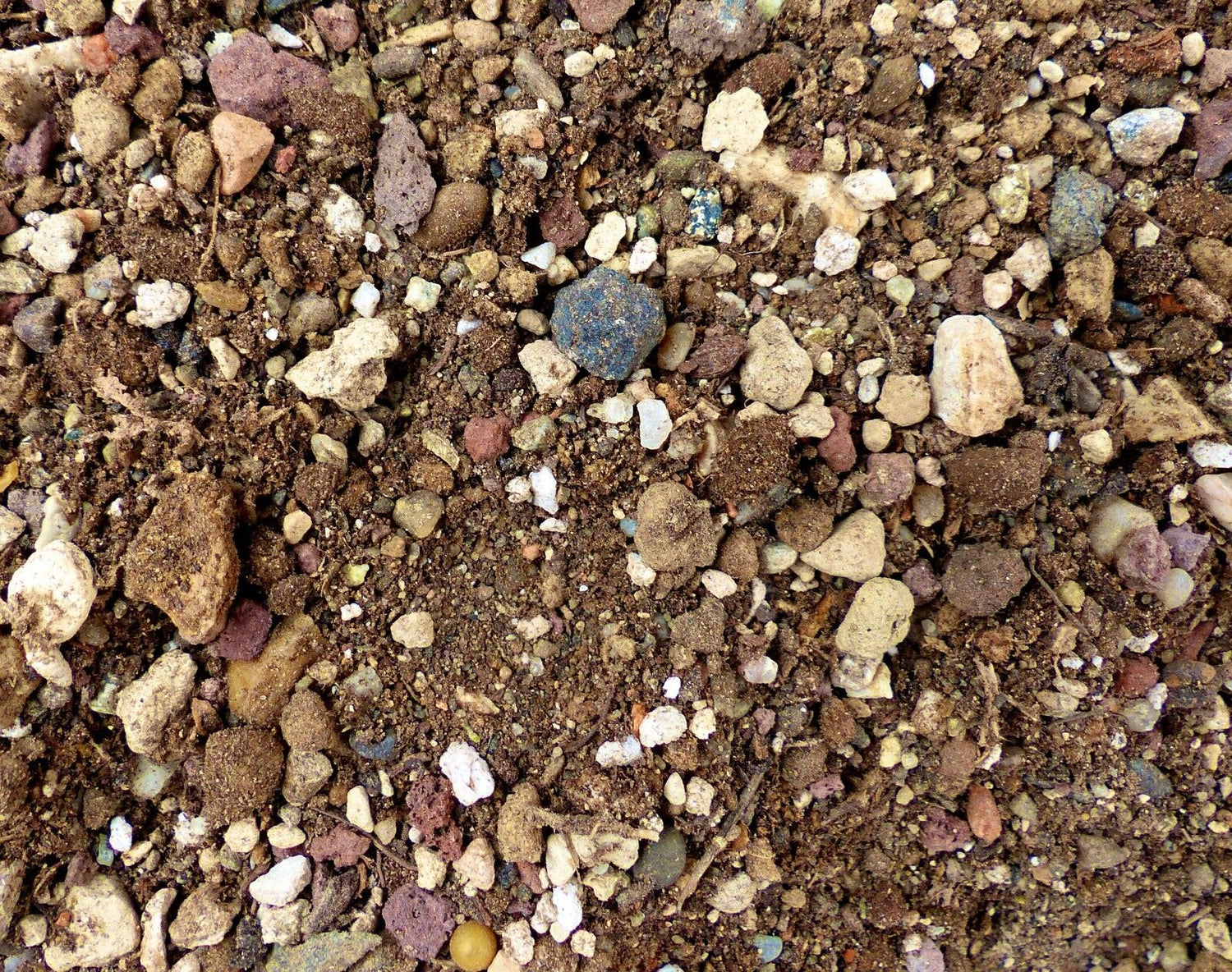
Successful cultivation from Baijiania Seeds requires careful replication of native conditions. Seeds should be sown on finely mineral, sharply draining substrates and left uncovered, as light supports uniform germination. Gentle moisture and good airflow are essential, with sprouting typically occurring within two to three weeks. Seedlings prefer bright, indirect light and restrained watering, developing slowly but steadily. Plants grown from seed tend to form stronger root systems, enhancing adaptability and long-term stability in cultivation.

Poetic synthesis and symbolism

Within Baijiania Seeds resides a narrative of quiet persistence shaped by stone and time. Each seed carries the memory of limestone cliffs and hidden moisture, unfolding into life only when conditions align. Their growth is modest, deliberate, and enduring. As symbols, these seeds evoke continuity through restraint, reminding us that survival in harsh terrains often depends on subtle adaptation rather than visible abundance.

  • Minute seed size suited to narrow rock crevices

  • Germination aligned with seasonal karst rainfall

  • Slow juvenile growth emphasizing root establishment

  • Natural variability preserved through sexual reproduction