Coleção: Cochemiea Seeds
Cochemiea Seeds – Coastal beginnings of resilient desert cacti
Botanical identity and origin
Cochemiea Seeds originate from a cactus genus native to the Baja California Peninsula and adjacent regions of northwestern Mexico. These seeds are small, dark brown to black, and formed within fleshy fruits that ripen under intense sun and arid conditions. Natural dispersal is primarily zoochorous, with birds and small mammals distributing seeds into sandy soils, rocky slopes, and coastal scrub. Germination follows episodic rainfall and warm temperatures, enabling seedlings to establish quickly before prolonged drought resumes. Ecologically, these seeds sustain populations adapted to maritime influence and desert exposure.
Species diversity and ornamental value
The genetic richness preserved within Cochemiea Seeds reflects the compact yet diverse nature of the genus. Species such as Cochemiea poselgeri, C. halei, and C. setispina produce seedlings that vary in stem clustering, spine density, and flower coloration. Seed propagation is especially valued, as it preserves natural variation often lost in clonal offsets. For collectors, seed-grown plants offer more authentic growth forms and long-term vigor, highlighting the subtle distinctions shaped by coastal deserts and island-like habitats.
Cultivation and adaptability
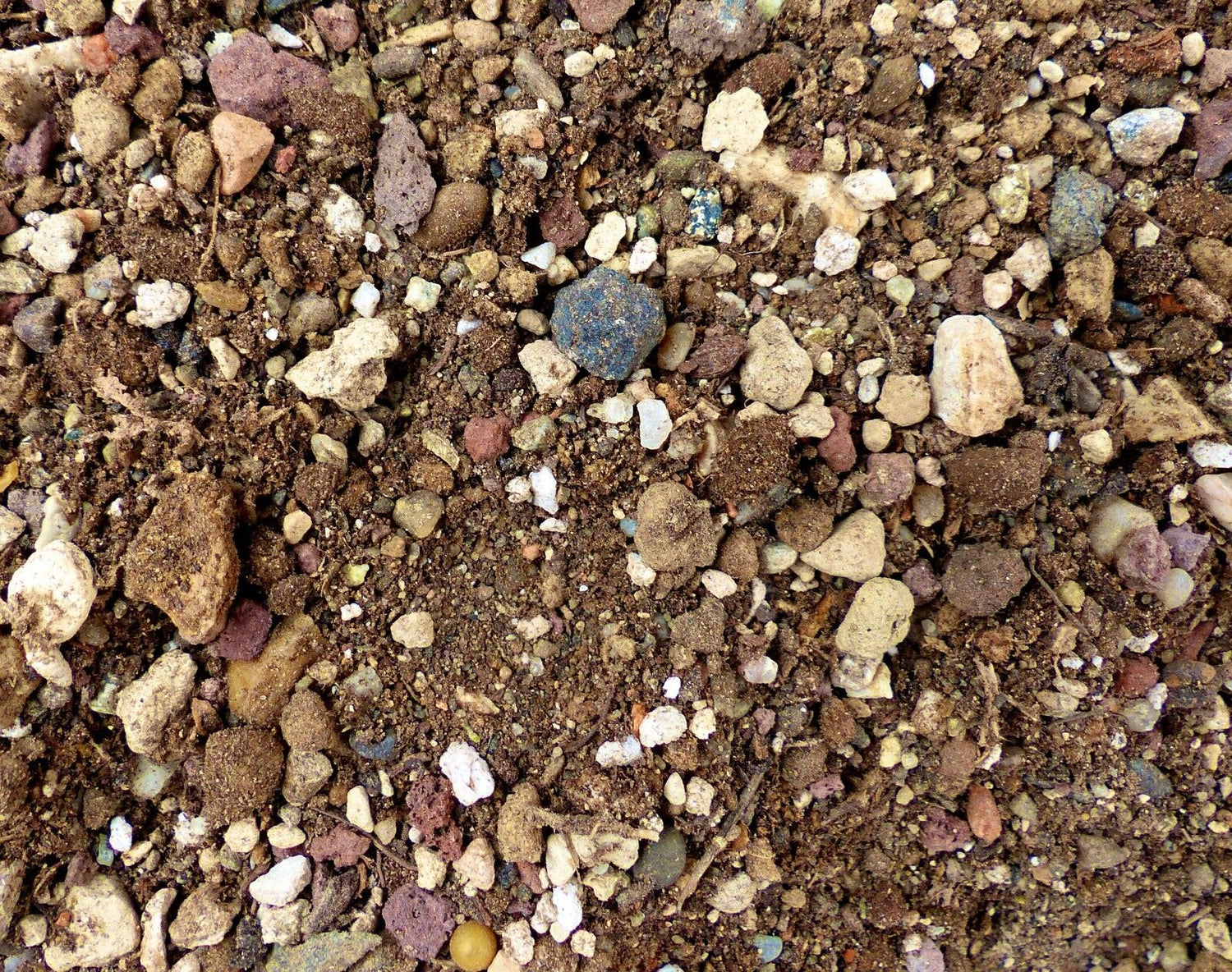
Sowing Cochemiea Seeds requires excellent drainage, warmth, and light. Seeds should be placed on fine, mineral-rich substrates and left uncovered or gently pressed into the surface. Consistent humidity and temperatures between 22–28 °C typically induce germination within two to three weeks. Seedlings benefit from bright, indirect light and gradual acclimation to drier conditions. Plants raised from seed develop stronger root systems and enhanced tolerance to heat, salinity, and intermittent moisture compared to transplanted offsets.
Poetic synthesis and symbolism
Within Cochemiea Seeds lies a story of survival at the margins. Each seed carries the imprint of salt air, stone, and sun, unfolding into compact forms armed with color and resilience. Their growth reflects persistence through exposure, thriving where land meets sea and desert. As symbols, these seeds evoke endurance shaped by boundaries, reminding us that life flourishes even in narrow ecological thresholds.
-
Small dark seeds adapted to animal-mediated dispersal
-
Germination synchronized with brief desert rainfall
-
Early root development supporting coastal resilience
-
Natural variation expressed through seed propagation