Collection: Buiningia Seeds
Buiningia Seeds – Quiet continuities of Brazilian columnar cacti
Botanical identity and origin
Buiningia Seeds originate from a rare columnar cactus genus endemic to rocky landscapes of eastern Brazil. These seeds are small, rounded to slightly angular, and dark brown to black, developing within fleshy fruits that mature during warm seasons. Natural dispersal is primarily zoochorous, with birds and small mammals consuming the fruits and depositing seeds in mineral crevices and shallow soils. Germination is synchronized with episodic rainfall and elevated temperatures, enabling rapid root establishment in environments marked by exposure and seasonal drought.
Species diversity and ornamental value
The genetic value preserved within Buiningia Seeds reflects the narrow yet distinctive diversity of the genus. Species such as Buiningia brevicylindrica and related forms express variation in stem thickness, rib structure, and spine development when raised from seed. Sexual propagation is essential for maintaining these traits, as vegetative multiplication is limited. For collectors and botanical institutions, seed-grown plants provide authentic insight into the evolutionary adaptation of these cacti to Brazilian rock outcrops.
Cultivation and adaptability
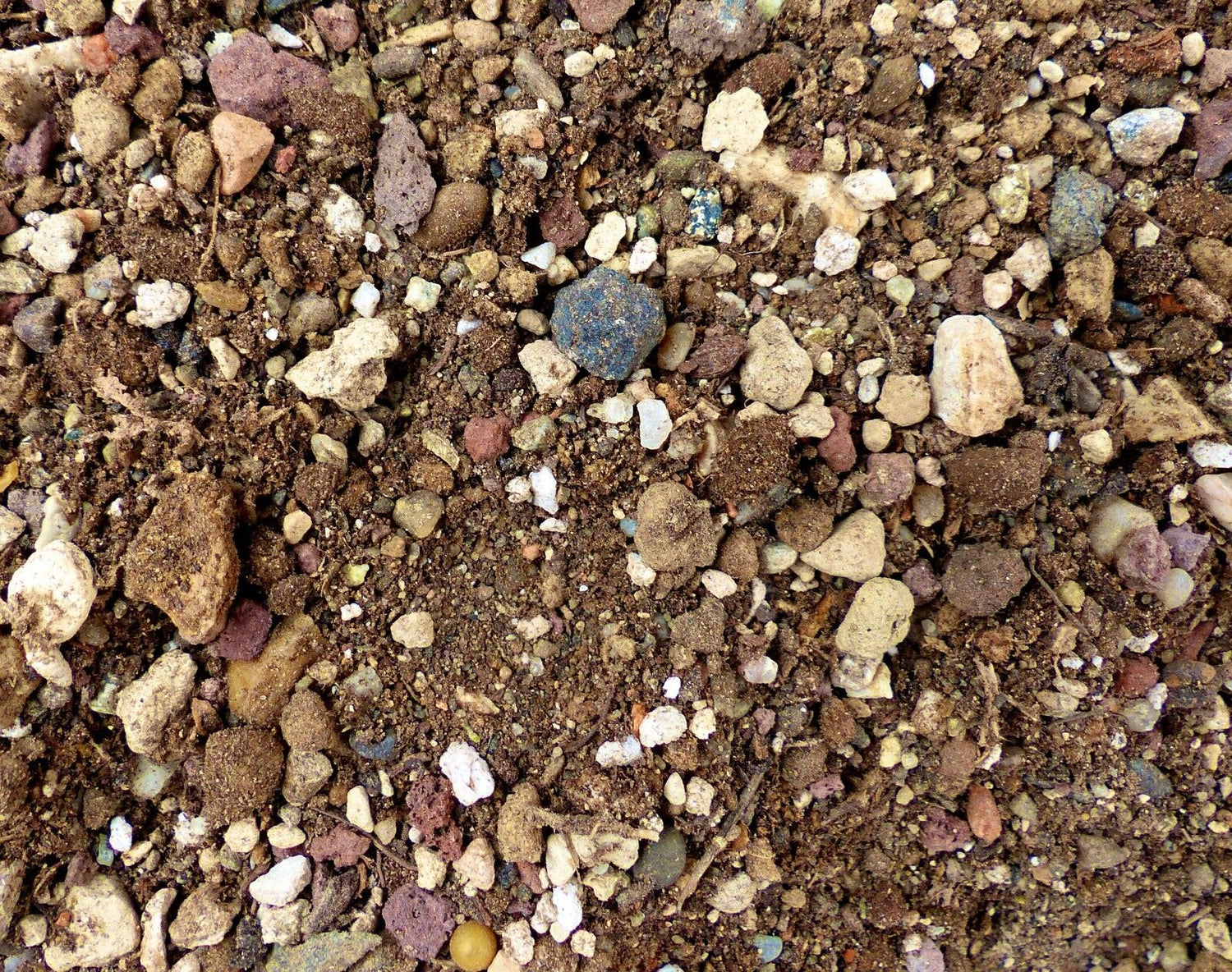
Cultivating Buiningia Seeds requires warmth, light, and sharply draining substrates. Seeds should be sown on fine mineral media and left uncovered or lightly pressed into the surface, as light supports uniform germination. Consistent humidity and temperatures between 22–28 °C typically induce sprouting within two to four weeks. Seedlings benefit from bright, indirect light and gradual acclimation to drier conditions. Plants raised from seed develop robust root systems and improved tolerance to environmental variability.
Poetic synthesis and symbolism
Within Buiningia Seeds lies a restrained promise of vertical persistence. Each seed carries the potential to rise slowly from stone, translating scarcity into structure. Their growth reflects patience shaped by sun and silence, forming living columns that endure rather than expand. As symbols, these seeds embody continuity through limitation, reminding us that endurance often emerges from narrow ecological margins.
-
Small dark seeds adapted to animal-mediated dispersal
-
Germination aligned with warm seasonal rainfall
-
Early root anchorage in mineral substrates
-
Subtle morphological variation revealed through seed growth